
Explaining Grout Cleaning Needs During Monsoon Season in Goodyear, AZ
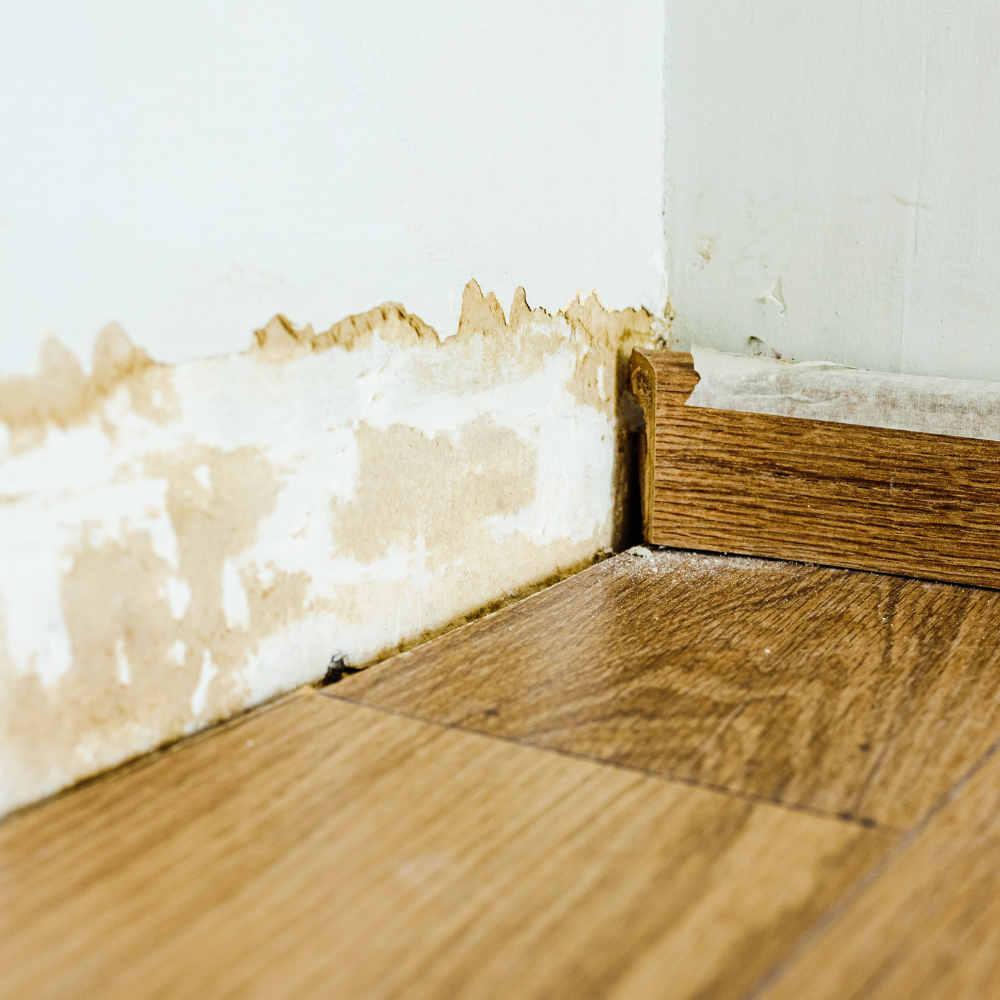
Monsoon humidity and dust storms accelerate grout grime; professional deep cleaning prevents permanent staining and mold growth in Arizona homes.
In Goodyear, Arizona, monsoon season is a predictable but disruptive part of the year, typically running from late June through September. After months of arid conditions, the region experiences sudden shifts, including heavy rainstorms, intense winds, dust storms, and sharp spikes in humidity. These weather changes are abrupt and often dramatic, creating challenges that most homes are not exposed to during the rest of the year. While Goodyear homes are well-adapted to heat, the rapid introduction of moisture and airborne debris during the monsoon season puts new pressure on interior surfaces, especially tile and grout.
Grout is particularly vulnerable because it is porous and absorbent by nature. During monsoon months, doors and patio sliders are opened more frequently, people and pets track in mud and moisture, and indoor humidity rises even in air-conditioned homes. All of these factors combine to create ideal conditions for grout staining, moisture retention, and microbial growth. Monsoon season is not just another time of year for routine cleaning. It is a distinct maintenance period that requires focused attention to grout health.
Typical Monsoon Weather Patterns in the West Valley
The West Valley, including Goodyear, regularly experiences haboobs, sudden downpours, localized flooding, and rapid temperature changes during monsoon season. Dust storms coat outdoor surfaces with fine desert soil that easily migrates indoors. When rain follows, that dust mixes with water, forming a muddy residue that clings to shoes, paws, and tires. Each storm may seem minor on its own, but repeated cycles of dust followed by rain can build up cumulatively inside the home.
This repeated soiling matters most for grout because grout is porous and textured. Unlike smooth tile surfaces that can be wiped clean, grout absorbs fine particles and moisture, allowing dirt to settle deeper with each storm. Over several weeks, grout lines can darken noticeably even when floors are being cleaned regularly.
Why Goodyear Homes Are Especially Vulnerable
Tile flooring is extremely common in Goodyear homes, particularly in kitchens, bathrooms, entryways, and main living areas. Tile helps keep homes cool, but during monsoon season, it becomes a high-traffic surface that collects water and debris. Open floor plans allow dirt and moisture to travel easily from one area to another, while sliding doors and backyard access points create multiple entry paths for monsoon messes.
Many homes also use light-colored grout, which shows staining quickly. What might be a minor hygiene issue elsewhere becomes a visible problem in Goodyear homes, making grout care during monsoon season both a functional and aesthetic concern.
Indoor vs. Outdoor Transition Zones During Monsoon
Entryways, garage access points, and patio doors act as direct bridges between outdoor storms and indoor living spaces. Wet shoes, pet paws, and outdoor gear introduce water, sand, and dust that settle directly into grout lines. These zones experience the most concentrated wear during the monsoon season due to frequent cleaning, abrasive particles, and constant moisture exposure.
Because these areas are repeatedly stressed, grout discoloration and deterioration often appear here first. Prioritizing transition zones is one of the most effective ways to reduce overall grout damage during monsoon months.
The Seasonal Spike in Grout Problems
Many homeowners notice grout issues becoming more apparent midway through or toward the end of monsoon season. Darkened grout lines, sticky residues, musty odors, and recurring stains are common complaints. These issues often result from increased cleaning frequency combined with improper techniques, such as excessive water use or the use of harsh cleaners.
Higher indoor humidity slows evaporation, meaning water pushed into grout during mopping stays trapped longer. Instead of removing moisture, some cleaning methods unintentionally drive it deeper into the grout, setting the stage for staining and microbial growth.
How Monsoon Moisture Affects Tile and Grout
Moisture Absorption and Grout Porosity
Grout is typically cement-based, which makes it naturally porous. In dry conditions, small amounts of moisture evaporate quickly. During monsoon season, elevated humidity and frequent wetting prevent grout from fully drying. Over time, water penetrates deeper into the grout, carrying dirt, organic material, and cleaning residues. This leads to discoloration that becomes increasingly difficult to reverse.
The Role of Humidity Inside Goodyear Homes
Monsoon humidity enters homes through doors, windows, and ventilation systems. Even with air conditioning, indoor humidity levels often rise during storms. Damp grout lines take longer to dry after mopping or foot traffic, especially in kitchens, bathrooms, and laundry rooms. Prolonged dampness creates favorable conditions for mildew and mold growth in grout joints.
Standing Water and Flooding Near Entryways
Flash rains can overwhelm drainage systems, causing water to pool near doors and patios. Water may seep under thresholds or be carried inside repeatedly on shoes and paws. Even short-lived puddles repeatedly saturate grout lines, depositing soil and outdoor contaminants that accelerate staining and wear.
Moisture-Related Grout Staining and Discoloration
Moisture acts as a transport system for dirt and oils, pulling them into grout pores. When dirty water dries, it leaves behind darkened, uneven grout lines that are most noticeable in high-traffic paths. Over multiple monsoon seasons, these stains can appear permanent without deep cleaning or sealing.
Long-Term Effects of Repeated Monsoon Cycles
Each monsoon season adds another layer of stress to grout. Over time, grout may weaken, develop micro-cracks, crumble, or lose its ability to resist staining. Homes that skip regular grout maintenance may eventually require re-grouting instead of simple cleaning. Understanding moisture behavior during the monsoon season helps homeowners decide when preventive care is sufficient and when repairs are necessary.
Dirt, Mud, and Dust: Monsoon Grout’s Worst Enemies
How Haboobs and Dust Storms Feed Grout Problems
Haboobs deposit extremely fine dust that easily works its way into grout lines. When combined with moisture, this dust forms a gritty paste that embeds into grout and accelerates surface wear. Foot traffic grinds these particles deeper, gradually eroding grout structure.
Muddy Footprints, Pet Tracks, and Daily Traffic
Daily activities during storms add up quickly. Muddy shoes, running children, and wet pets create repeated contamination that concentrates in walkways and near doors. Cleaning tile without addressing grout allows this grime to remain trapped, causing grout lines to darken over time.
Oil, Grease, and Outdoor Contaminants
Outdoor debris may include driveway oils, lawn chemicals, and automotive residues. These contaminants bond more strongly to porous grout than simple dirt does, making them harder to remove. Over time, they can permanently alter grout color and integrity.
Why Grout Shows Dirt More Than Tile
Tile surfaces are relatively non-porous, while grout is textured and absorbent. This difference makes grout far more likely to hold dirt and discolor, especially when it is light-colored. Even clean-looking tile can hide heavily soiled grout beneath.
When Everyday Cleaning Makes Dirt Issues Worse
Quick sweeping and basic mopping can spread dirt rather than remove it if tools and water are not kept clean. Dirty mop water redeposits contaminants into grout as it dries. Scrubbing tile surfaces without focused attention to grout can also push dirt deeper into joints, especially during frequent monsoon cleaning.
Mold, Mildew, and Health Concerns in Humid Conditions
Why Monsoon Humidity Encourages Mold and Mildew
Mold and mildew thrive in warm, damp environments, making the monsoon season a prime growth period. Grout holds moisture longer than tile, creating micro-environments that allow spores to settle and grow, particularly in bathrooms and kitchens.
Common Signs of Mold and Mildew in Grout
Visible signs include black, green, or pink discoloration, fuzzy patches, recurring stains, and persistent musty odors. Sometimes odor or increased allergy symptoms appear before visible growth becomes obvious.
Potential Health Impacts for Goodyear Families
While not all grout discoloration is hazardous, mold and mildew can aggravate allergies, asthma, and respiratory conditions. During the monsoon season, indoor growth can worsen overall air quality, especially for sensitive individuals.
DIY Daily and Weekly Grout Care During Monsoon Season
Establishing a Monsoon-Specific Cleaning Routine
Monsoon season requires more frequent but gentler maintenance. Daily attention to entryways, combined with weekly deep cleaning of kitchens and bathrooms, helps prevent buildup without damaging grout.
Smart Sweeping and Vacuuming Techniques
Removing dry dust before it gets wet is critical. Vacuuming with hard-floor settings is especially effective at extracting fine particles from grout joints along traffic paths.
Better Mopping Habits for Monsoon Months
Using minimal water, changing mop water often, and working in small sections prevent dirty water from settling into grout. Microfiber mops help trap fine debris while reducing excess moisture.
Ventilation and Dehumidifying Tips
Improving airflow with fans and exhaust systems speeds drying times. In persistently humid rooms, portable dehumidifiers can significantly reduce moisture retention in grout.
Choosing Safe and Effective Grout Cleaners
Understanding pH and Why It Matters for Grout
Cement-based grout is sensitive to extreme pH levels. pH-neutral or mildly alkaline cleaners are safest for frequent use and help preserve grout integrity.
Avoiding Harsh Chemicals and DIY Mistakes
Bleach, vinegar, and strong acids can erode grout and strip sealers when used repeatedly. Patch testing and following product directions help avoid long-term damage.
The Importance of Grout Sealing
Grout sealer reduces absorption and makes routine cleaning more effective. Penetrating sealers are generally preferred for indoor floors because they protect without altering appearance. Testing grout annually helps determine when resealing is needed, especially in high-traffic monsoon zones.
Professional Grout Cleaning Services in Goodyear, AZ
Professional grout cleaning involves inspection, pre-treatment, agitation, and deep rinsing that removes embedded contaminants. Local professionals understand Goodyear’s soil and climate conditions and can tailor services accordingly. For heavily stained or deteriorated grout, professionals may recommend repair or re-grouting to prevent further damage.
Conclusion: Keeping Grout Healthy Through Goodyear’s Monsoon Season
Goodyear’s monsoon season introduces moisture, dust, and mud that place significant stress on grout. Because grout is porous, it absorbs contaminants and moisture that gradually cause staining, microbial growth, and deterioration. Understanding local weather patterns, home layouts, and grout materials allows homeowners to take proactive steps.
Consistent cleaning routines, appropriate tools and products, targeted care for entryways and moisture-prone rooms, and timely sealing all play essential roles. When combined with periodic professional cleaning and long-term planning, these strategies help homeowners protect grout appearance, hygiene, and durability through many monsoon seasons.
FAQ
Entryways benefit from daily spot cleaning, while kitchens and bathrooms should receive weekly maintenance. Deeper cleaning may be needed periodically during heavy storm activity.
Frequent use of bleach or vinegar can damage grout and sealers. Milder, grout-safe cleaners are better suited for repeated monsoon-season cleaning.
Yes. Sealing helps grout resist moisture and staining during the monsoon season and should be checked annually, especially in high-traffic areas.
Professional help is recommended for persistent staining, widespread mold, damaged grout, or homes affected by multiple monsoon seasons without deep cleaning.
