
Explaining the Importance of Regular Mold Inspections in Arizona Homes
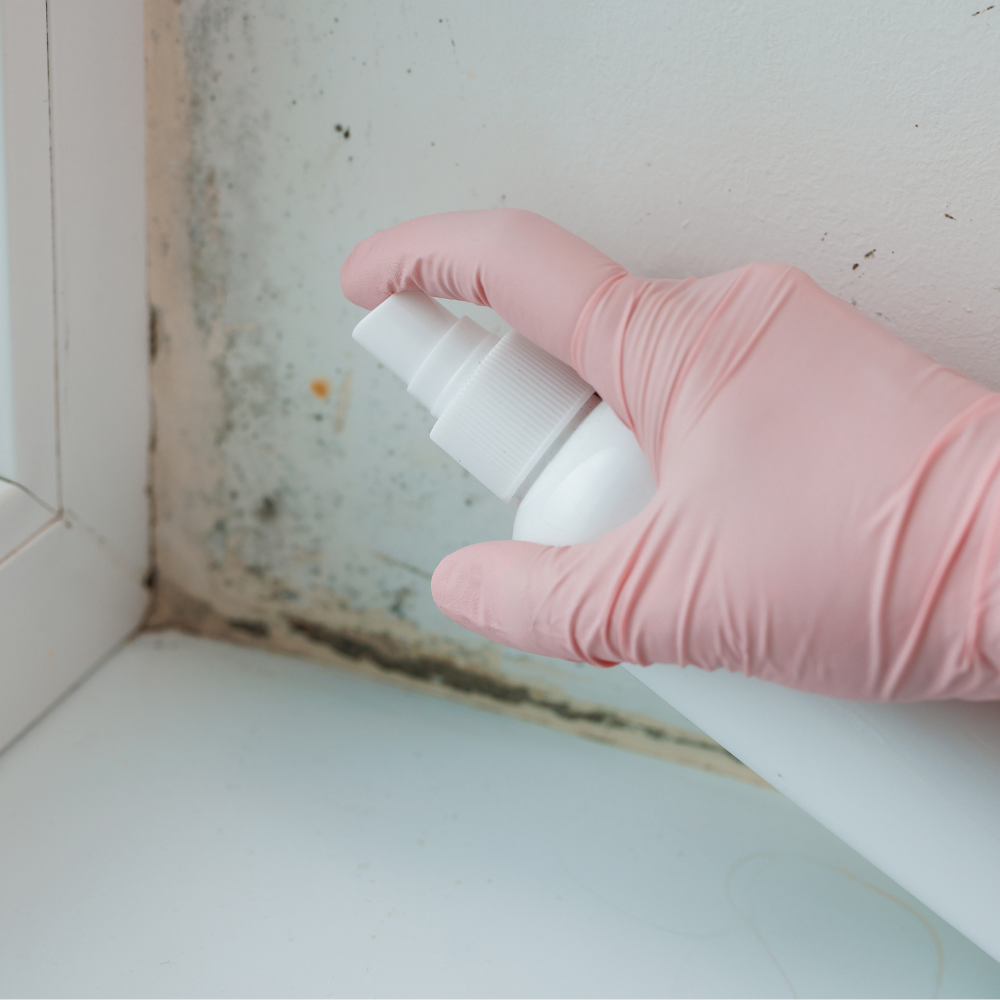
Regular professional inspections can detect hidden moisture issues before they turn into costly mold remediation projects for homeowners.
Why Mold Inspections Matter in Arizona Homes
Many Arizona homeowners assume mold isn't something they need to worry about. After all, we live in a desert. Outdoor humidity is usually low, and long stretches of dry weather feel like natural protection against moisture problems. Unfortunately, that assumption is one of the biggest reasons mold issues go unnoticed here until they become expensive and disruptive.
While the air outside may be dry, indoor environments are a different story. Plumbing leaks, condensation from air-conditioning systems, poorly ventilated bathrooms, and hidden roof or window leaks can all create small pockets of moisture where mold thrives. Add Arizona's monsoon season, modern tightly sealed homes, irrigation systems, and regional microclimates, and you get periodic spikes in indoor humidity that can support mold growth in an otherwise arid place. Regular mold inspections are a proactive way to find those risks early—before they turn into health concerns, structural damage, or costly remediation projects.
Understanding Mold: What Arizona Homeowners Should Know
Mold is a type of fungus that reproduces through microscopic spores. Those spores are always present in the air. When they land on a damp surface with a food source—like drywall paper, wood, dust, or insulation—they can begin to grow. The temperatures inside Arizona homes are almost always in the ideal range for mold, so moisture is the missing ingredient.
Common household molds include Cladosporium, Penicillium, Aspergillus, and, less commonly, Stachybotrys (often called "black mold"). Not all molds are equally toxic, but all indoor mold growth is considered undesirable. It signals a moisture problem that needs to be corrected.
Once mold becomes established, it spreads by releasing spores into the air. Air-conditioning systems, ceiling fans, and everyday foot traffic can move those spores from room to room. What starts behind a bathroom wall or under a kitchen sink can slowly become a whole-house issue.
Why Arizona's Climate Still Poses Mold Risks
Arizona's monsoon season brings short but intense periods of rain and humidity. Homes built for dry conditions can be vulnerable to sudden moisture surges if roofs, stucco, windows, or grading aren't well maintained. Water can seep into wall cavities or attics and remain hidden for weeks before any visible signs appear.
Heavy air-conditioning use adds another layer of risk. Poorly sized or poorly maintained systems can create condensation on ducts, coils, and around vents. Clogged condensate drains and leaking drip pans are common hidden moisture sources.
Outside the home, irrigation systems and landscaping can push water toward foundations and exterior walls. Overwatering near stucco or slab foundations can force moisture into wall assemblies and subfloor areas.
Even desert dust plays a role. Dust provides organic material that mold can feed on once moisture is present. In HVAC systems and unused rooms, that combination can quietly support mold growth.
Health and Structural Concerns: Two Sides of the Problem
Mold problems affect both people and buildings. From a health standpoint, common symptoms include nasal congestion, coughing, wheezing, eye irritation, sore throats, skin rashes, and headaches. People with asthma or allergies may experience flare-ups, and some individuals develop new sensitivities over time. Children, seniors, pregnant individuals, and those with weakened immune systems are especially vulnerable. Structurally, mold points to chronic moisture. That moisture can rot wood, degrade insulation, damage drywall, and shorten the life of finishes and framing. Treating only the visible mold without addressing the moisture source allows the damage to continue behind the scenes.
Common Causes of Mold in Arizona Homes
Some of the most frequent mold triggers in Arizona include:
Plumbing leaks behind walls, under sinks, and beneath slabs
Roof leaks and storm damage, especially after monsoons
Bathroom and kitchen moisture from steam, spills, and poor ventilation
Poorly sealed windows and doors that allow rain or irrigation spray inside
HVAC condensation from ducts, coils, and clogged drains
Indoor habits like drying laundry inside or running humidifiers
Because many of these issues are hidden, homeowners often don't realize there's a problem until mold becomes visible or musty odors develop.
Warning Signs That a Mold Inspection Is Needed
Visible mold—no matter how small—is always a red flag. But other warning signs include persistent musty odors, recurring leaks, recent water damage, or unexplained respiratory symptoms that worsen at home and improve elsewhere.
Real estate transactions are another key moment. Buyers, sellers, landlords, and property managers all benefit from knowing whether hidden moisture or mold issues exist before they become legal or financial headaches.
What Happens During a Professional Mold Inspection?
A professional inspection begins with a conversation about the home's history, past leaks, renovations, and any health concerns. Inspectors then perform a systematic walkthrough of interior and exterior areas, including attics, bathrooms, kitchens, and HVAC components.
They use moisture meters and sometimes infrared cameras to locate hidden dampness. In certain situations—such as health complaints or legal disputes—they may collect air or surface samples for laboratory analysis.
The final report outlines where moisture and mold were found, what likely caused them, and what steps are recommended next. It becomes a roadmap for repairs, remediation, and prevention.
How Often Should Arizona Homes Be Inspected?
Most well-maintained homes benefit from inspections every one to three years. Homes with a history of leaks, older construction, or vulnerable occupants may need more frequent checks.
Additional inspections are wise after severe monsoon seasons, plumbing failures, or major renovations. Buyers should also consider mold inspections alongside standard home inspections.
DIY Checks vs. Professional Inspections
Homeowners can and should do routine visual checks for leaks, stains, and obvious mold. Monitoring AC drains, water bills, and musty odors helps catch early warning signs.
Store-bought mold test kits, however, are often misleading. They can't locate hidden growth, compare indoor levels to outdoor baselines, or identify moisture sources.
DIY mold removal is risky for anything beyond small, isolated surface patches. Disturbing mold releases spores and can spread contamination. Larger or hidden problems require professional assessment and remediation.
Choosing a Qualified Mold Inspector in Arizona
Look for inspectors with recognized certifications and experience in Arizona's climate and construction styles. Ask about their tools, sampling methods, and reporting practices. Request a sample report.
Be wary of vague proposals, scare tactics, or inspectors who push expensive remediation without objective testing. Independent inspectors who don't perform remediation often provide the most unbiased assessments.
From Inspection to Action
A good inspection report identifies both mold and moisture sources. Successful remediation requires fixing leaks, improving ventilation, and correcting drainage problems—not just removing mold.
After remediation, post-remediation verification confirms that moisture and mold issues have been resolved. Follow-up inspections provide reassurance and documentation for insurers or future buyers.
Cost Factors and Long-Term Benefits
Mold inspections are far less expensive than major remediation or structural repairs. Early detection limits damage, preserves materials, and avoids relocation costs. Inspections can also reveal air and moisture leaks that affect energy efficiency. In Arizona's climate, small efficiency improvements can add up. Keeping records of inspections and repairs helps protect resale value and supports insurance claims.
Conclusion: Protecting Arizona Homes with Regular Mold Inspections
Arizona's desert climate does not eliminate indoor mold risks. Hidden moisture from monsoons, plumbing leaks, HVAC systems, and everyday habits creates conditions where mold can grow quietly.
Regular professional mold inspections act as an early warning system. They protect health, preserve building materials, and reduce long-term costs. When combined with prompt repairs and good ventilation and drainage practices, inspections form a powerful defense against mold.
For Arizona homeowners, mold inspections aren't an overreaction—they're smart, preventive home maintenance.
FAQs
Surprisingly, yes. While Arizona is known for its dry climate, mold can still thrive indoors when moisture is present. Leaky pipes, roof issues, air conditioning condensation, monsoon storms, and even over-irrigation around foundations can introduce enough moisture to create the perfect environment for mold growth. Because mold often develops behind walls or under flooring, it can go unnoticed for long periods, making inspections especially important.
Dust and allergens are common, but mold usually comes with specific warning signs. Persistent musty or earthy odors, visible dark or fuzzy spots, recent or recurring water leaks, and unexplained health symptoms—such as headaches, congestion, or fatigue that worsen indoors—may point to mold rather than everyday dust issues.
In most cases, no. Mold inspections are typically considered preventive maintenance and are not covered by standard homeowners' insurance policies. However, if mold results from a covered event, such as sudden water damage, some remediation or repairs may be partially covered depending on the policy details.
A mold inspection usually includes a full walkthrough of the home, moisture readings, and possibly air or surface sampling. Preparing the home by clearing access to bathrooms, laundry areas, attics, crawl spaces, and HVAC systems helps ensure a thorough evaluation.
Not always. General home inspections focus on structural and mechanical systems and are not designed to locate hidden mold. When moisture problems, past water damage, or health concerns are present, a dedicated mold inspection provides a more accurate and reliable assessment.
