
Explaining the Role of Home Ventilation in Mold Prevention
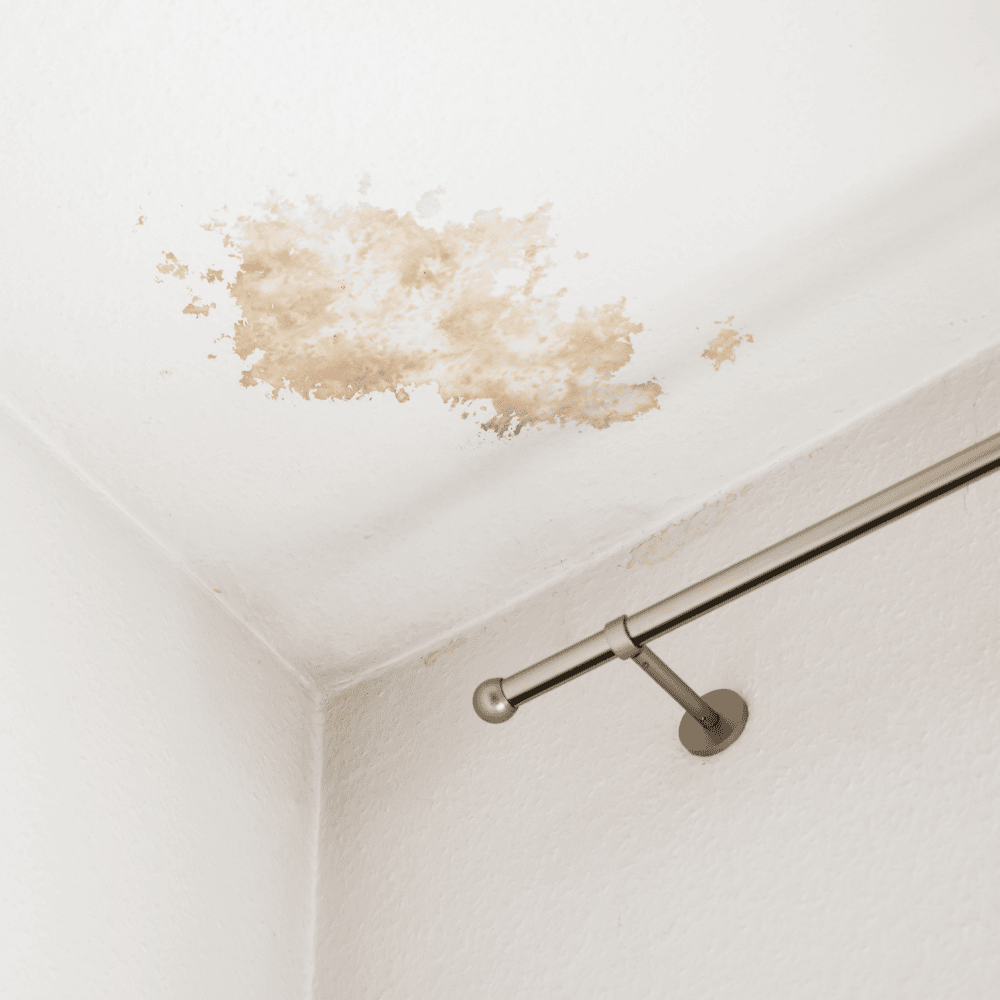
Proper airflow and ventilation systems are essential for regulating indoor humidity levels and stopping mold before it starts to grow.
Why Ventilation Matters in Mold Prevention
Mold is more than just an unsightly nuisance on bathroom ceilings or basement walls. It’s a living organism that thrives in damp, poorly ventilated environments, and once it gains a foothold, it can spread quietly behind walls, under flooring, and inside insulation. While many homeowners focus on cleaning visible mold or using chemical sprays, those steps only treat the symptom. The real driver behind most mold problems is excess moisture combined with stagnant air—and that’s where ventilation becomes one of the most powerful tools in prevention.
Ventilation works by exchanging moist, stale indoor air with fresher, usually drier outdoor air. When it’s done correctly, it lowers indoor humidity, speeds up drying after everyday moisture events like showers and cooking, and prevents condensation from lingering on cold surfaces. In other words, ventilation doesn’t just make a home feel fresher; it actively disrupts the conditions mold needs to survive.
Understanding Mold, Moisture, and Health Risks
Mold is a type of fungus that reproduces by releasing microscopic spores into the air. These spores are always present indoors and outdoors, but they only begin growing into colonies when they land on a damp surface with a food source. In homes, that “food” is almost everywhere: drywall, wood framing, carpet, dust, fabrics, and even soap residue. Bathrooms, kitchens, basements, and areas around windows are common hotspots because moisture and organic material naturally come together there.
The health effects of mold exposure range from mild to serious. Many people experience sneezing, coughing, itchy eyes, nasal congestion, or skin irritation. For individuals with asthma, allergies, or weakened immune systems, mold can trigger asthma attacks, chronic respiratory symptoms, or recurring infections. Children and older adults are particularly vulnerable. Because spores can circulate even when mold isn’t visible, prevention is far more effective than waiting until growth becomes obvious.
The Direct Link Between Humidity and Mold Growth
Mold growth is tightly linked to indoor moisture levels and relative humidity. Relative humidity (RH) measures how much moisture the air holds compared to the maximum it could hold at that temperature. For comfort and mold prevention, most experts recommend keeping indoor RH between about 30 and 50 percent. Once humidity consistently rises above 60 percent, mold risk increases sharply.
Everyday activities introduce moisture into indoor air. Cooking, showering, running dishwashers, drying clothes indoors, and even breathing all release water vapor. Without adequate ventilation, that moisture becomes trapped. It condenses on cooler surfaces like windows, exterior walls, and corners behind furniture. Over time, those damp spots become ideal breeding grounds for mold. In many cases, improving ventilation is more effective than relying on cleaning products or dehumidifiers alone because it tackles the root cause: trapped moisture.
How Ventilation Fits Into a Mold Prevention Strategy
Ventilation is one pillar of a broader mold prevention plan that also includes fixing leaks, maintaining plumbing, insulating cold surfaces, and managing indoor humidity. It doesn’t replace the need to repair roof leaks or seal foundation cracks, but it dramatically improves a home’s ability to dry out after normal moisture events like showers or cooking.
A practical approach combines technical concepts—such as understanding air changes per hour (ACH)—with simple habits, like running exhaust fans long enough and opening windows when conditions are favorable. Together, these measures reduce the amount of time surfaces stay damp and limit the formation of stagnant, humid pockets where mold can take hold.
Basics of Home Ventilation
Ventilation is the process of exchanging indoor air with outdoor air to control moisture, odors, pollutants, and temperature. It’s different from air circulation, which simply moves the same air around inside the home. Both matter, but only true ventilation removes moisture from the building.
Natural ventilation relies on opening windows and doors and using wind or temperature differences to move air. It’s inexpensive and simple, but it’s also unpredictable and weather-dependent. Mechanical ventilation uses fans or ducted systems to provide consistent air exchange. Bathroom fans, kitchen range hoods, and whole-house systems like HRVs (heat recovery ventilators) and ERVs (energy recovery ventilators) all fall into this category.
One key concept is air changes per hour (ACH), which measures how often the entire volume of air in a space is replaced. Living areas typically need lower ACH than moisture-heavy rooms like bathrooms and kitchens. When ACH is too low, moisture lingers, and mold risk rises.
How Poor Ventilation Encourages Mold
When ventilation is inadequate, air becomes stagnant, and humidity builds up in hidden pockets. These micro-environments often form behind furniture, inside closets on exterior walls, or in closed-off rooms. They can be far more humid than the rest of the house, which explains why mold often appears in isolated spots first.
Condensation is another major factor. Warm, moist air condenses into liquid water when it touches cooler surfaces like windows, exterior walls, or uninsulated pipes. Without ventilation to remove that moisture-laden air, condensation keeps returning, feeding mold growth on window frames, sills, and behind wallpaper.
Bathrooms and kitchens are especially vulnerable. Showers, baths, boiling water, and dishwashers release large bursts of moisture in a short time. If exhaust fans are undersized, poorly ducted, or rarely used, steam spreads into nearby rooms and raises whole-house humidity.
Ventilation Solutions for High-Risk Areas
Bathrooms should always have properly sized exhaust fans vented directly outdoors. A good rule of thumb is to run the fan before a shower, keep it on during, and leave it running for 15–20 minutes afterward. Timers and humidity sensors make this easier and more consistent. Quiet fans are also more likely to be used regularly.
In kitchens, externally vented range hoods are far more effective than recirculating models. They remove steam, heat, and cooking byproducts instead of redistributing them. Turning the hood on before cooking and leaving it on briefly afterward helps keep moisture from spreading through the home.
Basements, crawlspaces, and attics require special attention. Basements are naturally cool and often damp, so ventilation combined with dehumidification is usually necessary. Crawlspaces benefit from ground vapor barriers and controlled airflow. Attics need balanced intake and exhaust vents to prevent roof condensation and hidden mold growth.
Whole-house systems like HRVs and ERVs are especially useful in modern, airtight homes. HRVs exchange heat between outgoing and incoming air and work well in cold climates. ERVs also transfer some moisture, making them better suited for humid or mixed climates. Both provide controlled, energy-efficient ventilation that stabilizes indoor humidity.
Natural Ventilation and Everyday Habits
Opening windows can be very effective when outdoor air is drier than indoor air, especially in mild spring and fall weather. Cross-ventilation—opening windows on opposite sides of the home—can clear moisture quickly after cooking or showering. However, in hot, humid, or very cold climates, relying solely on windows can actually make moisture problems worse.
Daily habits matter just as much as equipment. Using exhaust fans consistently, wiping down wet surfaces, hanging towels to dry properly, and avoiding drying clothes indoors without ventilation all reduce the home’s moisture burden. Keeping vents unblocked and maintaining fans and filters ensures that systems work as designed.
When Ventilation Isn’t Enough
Ventilation can’t fix moisture from structural problems like roof leaks, plumbing leaks, flooding, or rising damp from the foundation. These sources add water faster than ventilation can remove it. In those cases, repairs are the first priority.
Poor insulation and thermal bridges also contribute to condensation. Cold spots on exterior walls or window frames attract moisture even when the humidity seems reasonable. Improving insulation and sealing air leaks works hand-in-hand with ventilation to control condensation.
In very damp environments, dehumidifiers are a valuable complement. They actively remove moisture from the air, making it easier for ventilation to maintain safe humidity levels. They don’t replace ventilation, but together they form a strong defense against mold.
Conclusion: A Whole-House Approach to Mold Prevention
Mold prevention is ultimately about moisture control, and ventilation is one of the most effective tools available. From bathroom and kitchen exhaust fans to attic vents, HRVs, ERVs, and strategic window use, ventilation removes humid air, reduces condensation, and disrupts the conditions mold needs to grow.
The most successful approach isn’t a single device or habit but a coordinated, whole-house strategy. By combining good ventilation design, smart daily habits, proper maintenance, and timely repairs, homeowners can create an environment that stays dry, comfortable, and far less hospitable to mold. In the long run, that means a healthier living space, fewer repair costs, and greater peace of mind.
FAQs
The right amount depends on home size, airtightness, climate, and how many people live there. General guidelines based on air changes per hour are helpful, especially for bathrooms and kitchens. Monitoring indoor humidity is a practical way to judge adequacy. If levels regularly exceed 50–60 percent, more or better ventilation is usually needed.
Opening windows can help during mild, dry weather, but it’s rarely sufficient as the only strategy. Natural ventilation is inconsistent and hard to control. Combining window use with mechanical ventilation, especially in bathrooms and kitchens, provides far more reliable mold prevention.
Air conditioners can reduce humidity, and heating systems can limit condensation by warming surfaces. However, neither replaces proper ventilation. Both also require regular maintenance, because dirty filters and ducts can spread mold spores.
Professional help is warranted when mold covers large areas, keeps returning despite cleaning, or is linked to hidden spaces like attics or crawlspaces. Persistent musty odors or health symptoms that worsen at home are also red flags. Experts can diagnose underlying moisture and airflow problems and design long-term solutions that prevent recurrence.
