
Explaining Why Grout Turns Yellow and How to Fix It in Goodyear, AZ
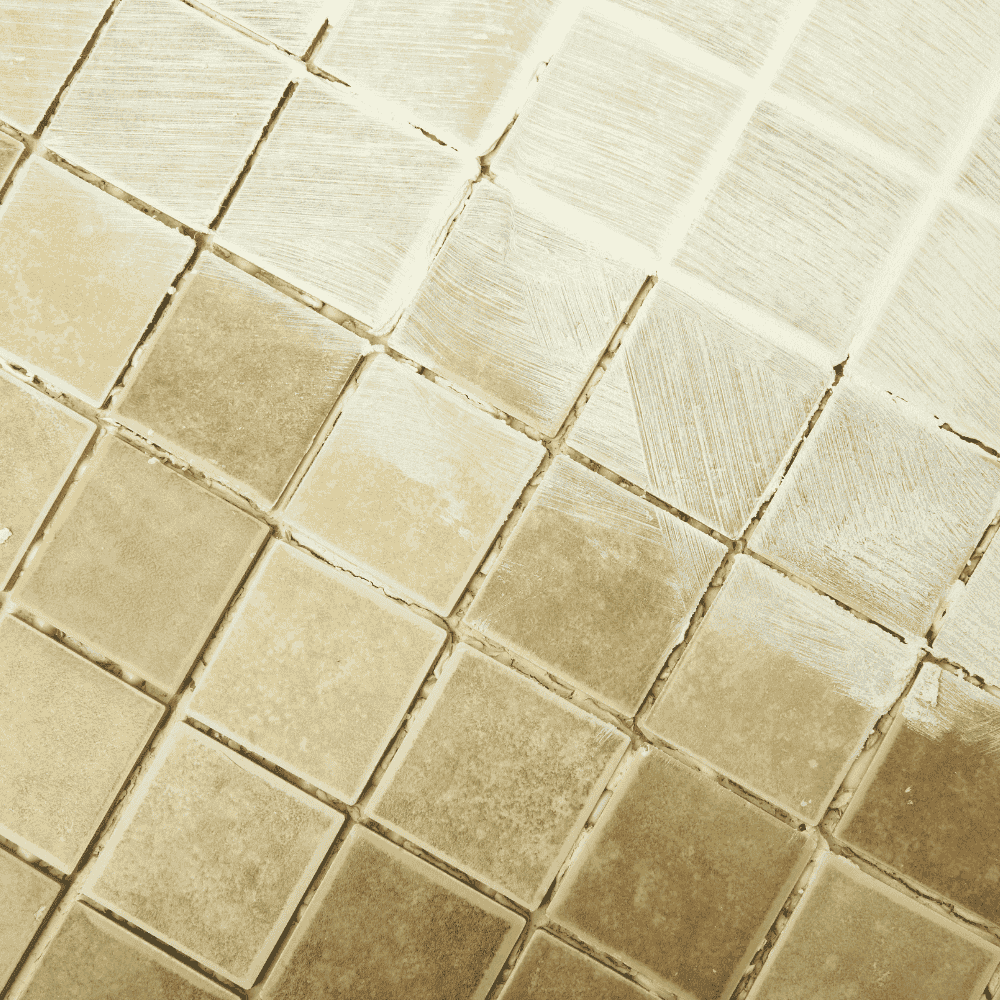
Goodyear’s hard water causes grout yellowing; professional cleaning and sealing effectively restore the original color and prevent future staining.
Grout often goes unnoticed—until it starts turning yellow. In Goodyear, AZ, yellowing grout is a common issue due to hard water, desert dust, intense sunlight, and frequent use of tiled surfaces in kitchens, bathrooms, and patios. Even when tiles appear clean, discolored grout can make an entire space feel dingy or poorly maintained. Understanding why grout turns yellow and how to fix it helps homeowners protect their tile surfaces and maintain a fresh, polished look throughout the home.
Grout is a porous material designed to fill the gaps between tiles, typically made from cement-based or epoxy compounds. While this porosity allows grout to bond tiles securely, it also makes it vulnerable to absorbing moisture, minerals, oils, and dirt. In Goodyear, where hard water is common, mineral deposits from repeated exposure to water gradually build up in grout lines, leading to yellow or brown discoloration over time.
Why Grout Yellowing Happens in Goodyear
Goodyear’s desert climate accelerates grout discoloration in several ways. Frequent wetting and drying cycles in bathrooms cause minerals to settle into grout pores as water evaporates quickly. Soap residue, shampoos, and household cleaners can leave behind films that trap dirt and worsen yellowing. Kitchens face similar issues from cooking oils, spills, and heavy foot traffic that grind debris deeper into grout lines.
Environmental exposure also plays a major role. Desert dust easily settles into unsealed grout, while heat and UV exposure can degrade protective sealants, making grout more prone to staining. Outdoor tiled areas such as patios, pool decks, and sunrooms experience even harsher conditions. Chlorine from pools, sunscreen, dirt, and intense sun exposure cause grout to dry out and discolor faster than indoor surfaces.
Fixing yellow grout often requires more than routine mopping or scrubbing. Deep cleaning methods, including professional grout cleaning or steam treatments, can remove embedded stains that household cleaners cannot reach. In cases of severe discoloration, grout recoloring or replacement may be necessary. Sealing the grout afterward is essential, as it creates a protective barrier that helps prevent future staining. With proper care and maintenance, grout in Goodyear homes can stay clean and visually appealing despite the challenges of the desert environment.
Common Causes and Early Signs
Several factors contribute to yellow grout: soap scum and body oils, hard water minerals, improper cleaning products, urine or organic matter, and biofilm or mildew. Soap scum combines with minerals and oils to form yellow or off-white residues, especially in showers and tubs. Hard water deposits leave chalky stains that resist standard cleaners. Harsh chemicals like bleach, strong acids, or oil-based cleaners can react with grout and cause long-term discoloration. Pet accidents, splashes, and repeated moisture contribute further, particularly around toilets.
Recognizing early yellowing helps prevent permanent stains. Uniform yellow lines, cream-colored patches, or areas that resist gentle cleaning indicate deeper staining rather than surface dirt. High-traffic zones, shower corners, and kitchen floors are usually affected first. Early attention allows less invasive DIY cleaning and reduces the need for professional intervention.
Understanding Your Grout and Its Vulnerabilities
Knowing the type of grout and its condition is crucial. Cement-based grout is common and more porous, absorbing stains easily. Epoxy grout is denser and more stain-resistant but can still develop surface discoloration. Original grout color also matters: white or light gray shows yellowing quickly, while beige or tan may mask early issues.
Sealed grout reduces absorption of liquids and contaminants, while unsealed or deteriorated grout stains faster. Signs of damage include cracks, crumbling edges, and sandy texture, which allow dirt, minerals, and organic matter to penetrate deeper. Identifying grout type, color, and condition helps determine the best cleaning and restoration approach.
Safe Cleaning Methods and DIY Approaches
Light yellowing can often be addressed with gentle DIY methods. Start with patch testing in a hidden area using a mild cleaner to assess grout reaction. Use pH-neutral cleaners and soft brushes for routine cleaning, loosening soap scum and surface dirt without damaging the grout or sealer.
For mild hard water stains or soap buildup, choose grout-safe bathroom cleaners, working in small sections and rinsing thoroughly. Household remedies, such as a baking soda paste, offer mild abrasion for surface stains but are ineffective on deep-set mineral deposits or organic stains. Avoid overusing bleach, acids, oil-based cleaners, and abrasive tools, as they can damage grout and worsen yellowing over time.
Professional Grout Cleaning and Restoration
When DIY methods aren’t enough, professional services can restore grout effectively. Signs you need a pro include persistent yellowing, odors, or deep-set stains that resist cleaning. Professionals inspect, test, and use specialized equipment like steam cleaners or orbital scrubbers to lift stains from grout pores.
Beyond cleaning, professionals can offer restoration options: color sealing to mask stains and protect grout, regrouting damaged or heavily stained areas, replacing yellowed or failing caulk, and upgrading to epoxy grout in high-risk zones. Local experts in Goodyear understand the impact of hard water, dust, and UV exposure, tailoring solutions to the environment for longer-lasting results.
Preventing Yellow Grout in Goodyear Homes
Prevention is always better than restoration. Practical strategies include:
Routine cleaning: Sweep and mop weekly with a pH-neutral cleaner, focusing on grout lines. Squeegee or towel-dry showers after use.
Managing hard water: Whole-house softeners or showerhead filters reduce mineral buildup. Remove excess water from tiles and grout after showers.
Ventilation: Run exhaust fans, open windows, and allow airflow to prevent biofilm and mildew formation.
Protecting high-traffic zones: Mats at entryways, rugs near sinks, and splash guards around tubs and toilets reduce direct exposure to dirt, oils, and moisture.
Regular maintenance, combined with occasional professional cleaning, helps prevent yellowing even in Goodyear’s challenging climate.
The Role of Sealing and Long-Term Maintenance
Grout sealers reduce the absorption of liquids, oils, and minerals. Penetrating sealers soak in, maintaining a natural look, while surface sealers form a protective film. High-use areas may require resealing every 1–2 years in Goodyear, and homeowners can test effectiveness using a simple water droplet check.
Sealing can be done DIY or professionally. Professionals ensure proper preparation, even application, and address existing stains before sealing. Avoid common mistakes like sealing dirty grout, applying thick coats, or using low-quality products that can yellow.
A structured long-term maintenance plan keeps grout bright: monthly inspections, spot-treating early stains, annual sealer checks, and periodic professional cleaning in high-use areas. Tracking problem areas and adjusting habits—like extra cleaning around showers, toilets, and pool doors—prevents recurring yellowing.
Special Considerations for Wet Areas and Kitchens
Showers, tubs, sinks, and kitchens are the most vulnerable spots. Shower floors often turn yellow due to soap, oils, and mineral deposits combined with constant moisture. Tub splash zones, ledges, and kitchen backsplashes may also discolor from bath oils, food, beverages, or cleaning products. Toilets require special attention due to urine-related stains.
Preventive steps include wiping down surfaces after use, quick cleanup of spills, using mats or splash guards, and inspecting caulk and grout periodically. For stubborn discoloration, professional cleaning, color sealing, or epoxy regrouting may be necessary.
FAQs
White grout tends to show discoloration faster, and Goodyear’s environment makes the issue more noticeable. Hard water leaves behind mineral deposits that slowly tint grout yellow, especially in showers and around sinks. Soap scum, body oils, dust, and everyday moisture also build up faster in high-use bathrooms. If grout was never sealed—or the sealer has worn off—it absorbs these contaminants easily. Over time, harsh cleaners can break down grout, making discoloration happen even faster.
Whether grout can be restored depends on how deep the staining goes and the overall condition of the grout. Surface-level yellowing can often be removed with professional grout cleaning or color sealing, which restores a bright, uniform look. However, grout that is cracked, crumbling, or deeply stained may need partial or full regrouting. A professional inspection helps determine the most cost-effective solution without unnecessary replacement.
Weekly light cleaning helps prevent buildup, while deeper scrubbing once a month keeps grout lines from absorbing residue. Sealer should be checked annually, especially in showers and high-moisture areas. In Goodyear homes, where hard water and frequent use are common, grout may need resealing every one to two years. Proper sealing creates a protective barrier that slows staining and extends grout life.
Yes. Frequent use of bleach, acidic cleaners, oil-based products, or cleaners with unlisted dyes can damage grout and speed up yellowing. These products break down grout structure and strip sealers. Instead, use pH-neutral, grout-safe cleaners and products designed to handle hard water buildup. Gentle, consistent care works far better than aggressive cleaning in the long run.
