
How to Decide Between DIY and Professional Grout Cleaning in Goodyear, AZ
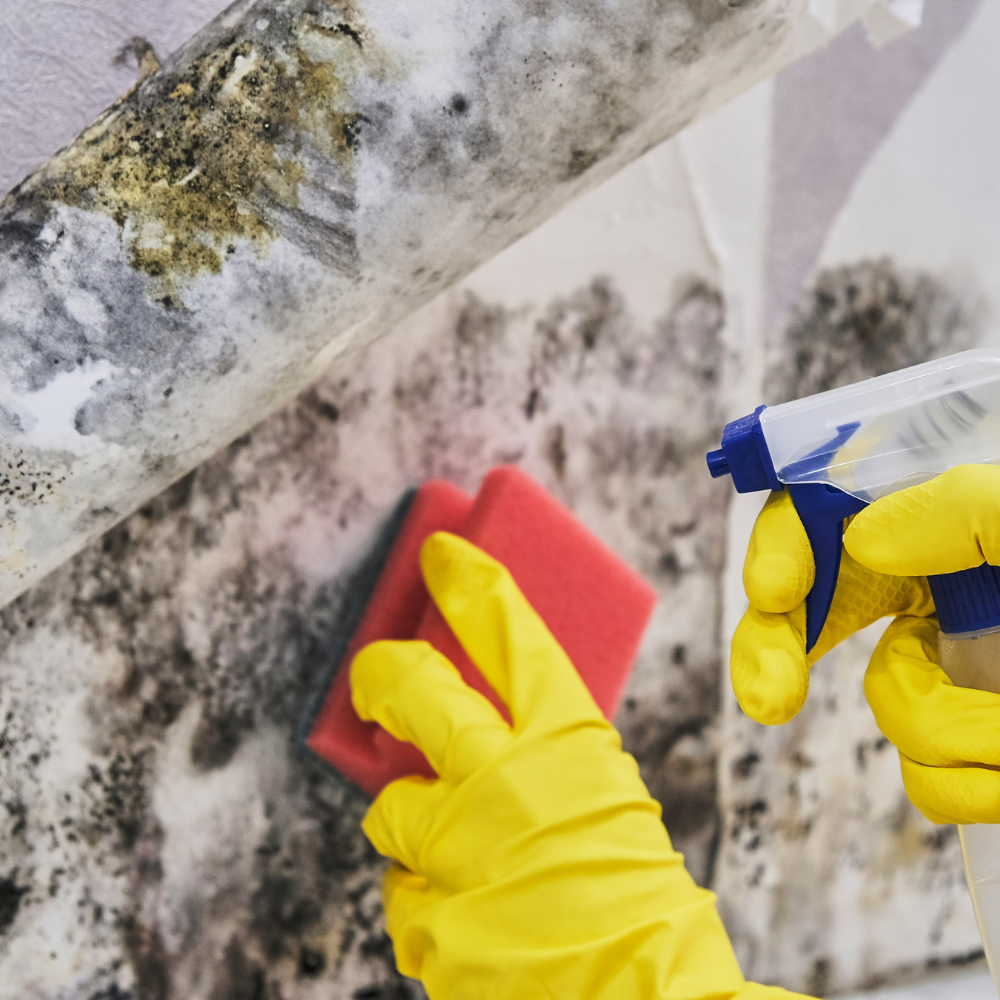
Professional grout cleaning in Goodyear effectively removes stubborn desert grime that standard DIY scrubbing often fails to reach.
Why Grout Cleaning Decisions Matter in Goodyear, AZ
Grout lines may seem like a minor detail, but in Goodyear, AZ, they quickly show signs of wear. Unlike tiles, grout is porous, naturally absorbing dirt, oils, and moisture. Goodyear’s desert environment adds its own challenges: fine dust settles on floors, hard water leaves mineral deposits, and high temperatures can bake spills and residues into grout lines. Add in lifestyle factors—pool use, pets, high foot traffic, and outdoor living—and even well-kept homes can develop stained or discolored grout.
Given these conditions, homeowners face a key decision: tackle grout cleaning themselves or hire a professional. There’s no universal answer—your choice depends on budget, time, area size, cleaning difficulty, and comfort with chemicals and tools. This guide will break down pros, cons, risks, and expected results so you can make the most practical and cost-effective choice for your home. While the focus is on deep cleaning existing grout, the advice largely applies to shower walls, backsplashes, and other tiled surfaces.
Understanding Grout and Common Tile Types in Goodyear Homes
Grout is typically either cement-based or epoxy. Cementitious grout, common in Goodyear homes, is porous and prone to staining if unsealed. Epoxy grout resists moisture and stains but is harder to work with. Your cleaning approach depends heavily on grout type—some chemicals or abrasive methods that work on cement grout can damage epoxy.
Tile materials also matter. Ceramic and porcelain tiles are DIY-friendly and resistant to most household cleaners, whereas natural stone like travertine or slate requires caution. Household acids or abrasive scrubbing can etch stone and damage surrounding grout. Older grout is often brittle or cracked, limiting aggressive cleaning, while newer grout may still stain quickly but is structurally sound. Lighter grout colors highlight dirt and require more attention, while rough textures trap particles, increasing cleaning difficulty. Understanding your grout and tile is the first step in choosing a method.
Evaluating the Current Condition of Your Grout
Start with a visual inspection. Look for uniform discoloration, stubborn stains, mold, or efflorescence. Light, even dirt, is manageable with DIY methods, but heavy staining or black mold may need professional intervention.
Next, check structural integrity. Press or gently scrape the grout to see if it crumbles, has hollow spots, or is missing in sections. Damaged grout risks further deterioration if scrubbed aggressively. In bathrooms, smell and moisture are also indicators—persistent odors or dampness can signal mold growth beneath the surface. For a small DIY test, pick a low-visibility area, apply a pH-neutral cleaner, and see if the grime lifts. If dirt persists, a professional approach may be necessary.
The Pros and Cons of DIY Grout Cleaning
DIY cleaning is budget-friendly, especially for small spaces or routine maintenance. Homeowners already equipped with brushes, mops, and safe cleaners may spend very little out of pocket. It also offers flexibility—you can clean whenever your schedule allows and choose eco-friendly or pet-safe products.
However, DIY carries risks. Using acidic cleaners on cement grout, metal brushes, or abrasive powders can damage grout and shorten its lifespan. Results are often limited to surface dirt; deeply embedded grime, old stains, and microbial growth can be difficult to remove. Large areas also demand time and physical effort, and uneven cleaning is common. While DIY works for small, light-soiled areas, understanding these limitations is crucial.
The Pros and Cons of Professional Grout Cleaning in Goodyear, AZ
Professionals bring specialized tools—rotary scrubbers, hot water extraction machines, and commercial-grade cleaners—that achieve deeper, more uniform results. Their experience with local tile, grout, and environmental factors, such as desert dust and hard water, allows them to anticipate challenges and deliver superior results.
While professional services require a higher upfront cost, they save time and effort, especially on large floors, natural stone surfaces, or areas with severe staining. Many companies also offer add-ons like grout sealing and minor repairs, enhancing durability and appearance. For homeowners with extensive tile or delicate surfaces, the value of professional work often outweighs DIY cost savings.
Cost Comparison: DIY vs Professional Grout Cleaning
DIY costs vary depending on tools and cleaners, from a few dollars for basic supplies to over $100 for specialty equipment. Time investment can be significant, especially in large areas. Professional pricing in Goodyear is often per square foot or flat-rate, influenced by tile type, job size, and additional services like sealing.
DIY is cheapest for small, light-duty jobs, but large or heavily soiled areas may erode cost savings when factoring in multiple product purchases or physical effort. Aggressive DIY cleaning that damages grout can increase long-term costs. Many homeowners find the best value in combining professional deep cleaning with periodic DIY maintenance to extend grout life and minimize repeated investment.
Assessing Your Own Skills, Tools, and Tolerance for DIY
Evaluate your physical ability to kneel, bend, and scrub. Patience and attention to detail are essential for consistent results. Inventory your tools and supplies—brushes, cleaners, knee pads—and consider if you’re comfortable handling chemicals safely. If you’re unsure about proper techniques or feel overwhelmed by repetitive work, professional cleaning may be a better choice. Conversely, experienced and patient DIYers with the right tools can achieve satisfying results on smaller, simpler projects.
Health and Safety Considerations
DIY cleaners range from mild, pH-neutral options to strong chemical solutions. Misuse can cause fumes, skin irritation, or respiratory issues. Mold and mildew, especially in bathrooms, may pose health risks if spores are released during scrubbing. Safety precautions—gloves, eye protection, masks, ventilation, and careful handling of chemicals—are non-negotiable. Wet tile floors increase slip hazards, so mark wet areas, use non-slip shoes, and work in small sections. Safety considerations may tilt the decision toward professional cleaning, particularly in high-risk situations.
How Goodyear’s Climate and Lifestyle Affect Grout Cleaning Decisions
Goodyear’s desert dust, hard water, pool chemicals, and high-traffic indoor-outdoor flow accelerate grout wear. Seasonal monsoons can intensify dust buildup. Small, light-soiled areas may be manageable with DIY cleaning, while heavily used floors, bathrooms, and stone surfaces often benefit from professional care. Homeowners may choose seasonal deep cleaning or rely on DIY upkeep between professional visits to maintain bright, healthy grout lines.
Step-by-Step Decision Guide: DIY or Professional?
Step 1: Evaluate your grout’s condition and tile type. Categorize dirt as light, moderate, or severe and note any delicate stone surfaces.
Step 2: Assess budget, time, and physical ability. Factor in the effort required for DIY and compare it to professional convenience.
Step 3: Consider health, safety, and household sensitivities. Respiratory issues, chemical sensitivities, or mobility concerns may favor professional services.
Step 4: Make a trial run. Test a small area with safe cleaning methods to gauge results and personal tolerance for the effort. If unsatisfactory, consult a professional.
Many Goodyear homeowners find a hybrid approach works best: professional deep cleaning periodically, supplemented with routine DIY maintenance to keep grout cleaner, healthier, and longer-lasting.
Conclusion: Making the Best Grout Cleaning Choice for Your Goodyear Home
Choosing between DIY and professional grout cleaning starts with understanding grout types, tile materials, and the challenges posed by Goodyear’s climate and lifestyle. Assessing your grout’s condition, evaluating your skills and resources, and factoring in safety considerations all play a role. Small, lightly soiled areas often respond well to DIY methods, while large floors, natural stone, deep stains, or mold problems benefit from professional expertise. By combining professional services with consistent DIY upkeep, homeowners can maintain attractive, durable grout lines and enjoy the full beauty and hygiene of their tile surfaces for years.
FAQs
For most homes in Goodyear, AZ, professional grout cleaning every one to two years is usually enough to keep floors looking fresh and sanitary. However, the local desert environment plays a role. Dust, sand, and fine debris can easily get tracked indoors, especially in high-traffic areas like kitchens, entryways, and hallways. Homes with pets, kids, or frequent guests may notice grout discoloration sooner.
While vinegar and bleach are common DIY cleaners, they’re not recommended for routine grout or tile cleaning. Both are highly acidic or harsh and can slowly erode cement-based grout, causing it to weaken, crumble, or discolor over time. Vinegar can also damage natural stone tiles like marble or travertine. Bleach may lighten grout temporarily, but repeated use often leads to long-term damage.
Professional grout cleaning can improve the appearance of grout and address minor issues, such as small cracks or uneven color. Many services also offer color sealing, which restores uniformity and adds a protective barrier against stains. However, if grout is extensively cracked, missing, or separating from tiles, full regrouting may be necessary. A professional inspection can determine whether cleaning, spot repairs, or regrouting is the best long-term solution.
Preparing for a grout cleaning appointment is simple and helps ensure efficient results. Clear furniture, rugs, and personal items from the areas being cleaned. Sweep or vacuum loose dirt and debris beforehand, and remove fragile items nearby. Make sure there’s easy access to water and electrical outlets for professional equipment. These small steps help technicians work quickly and protect household items during the process.
