
How to Include Grout Cleaning as Part of Rental Property Maintenance in Goodyear, AZ
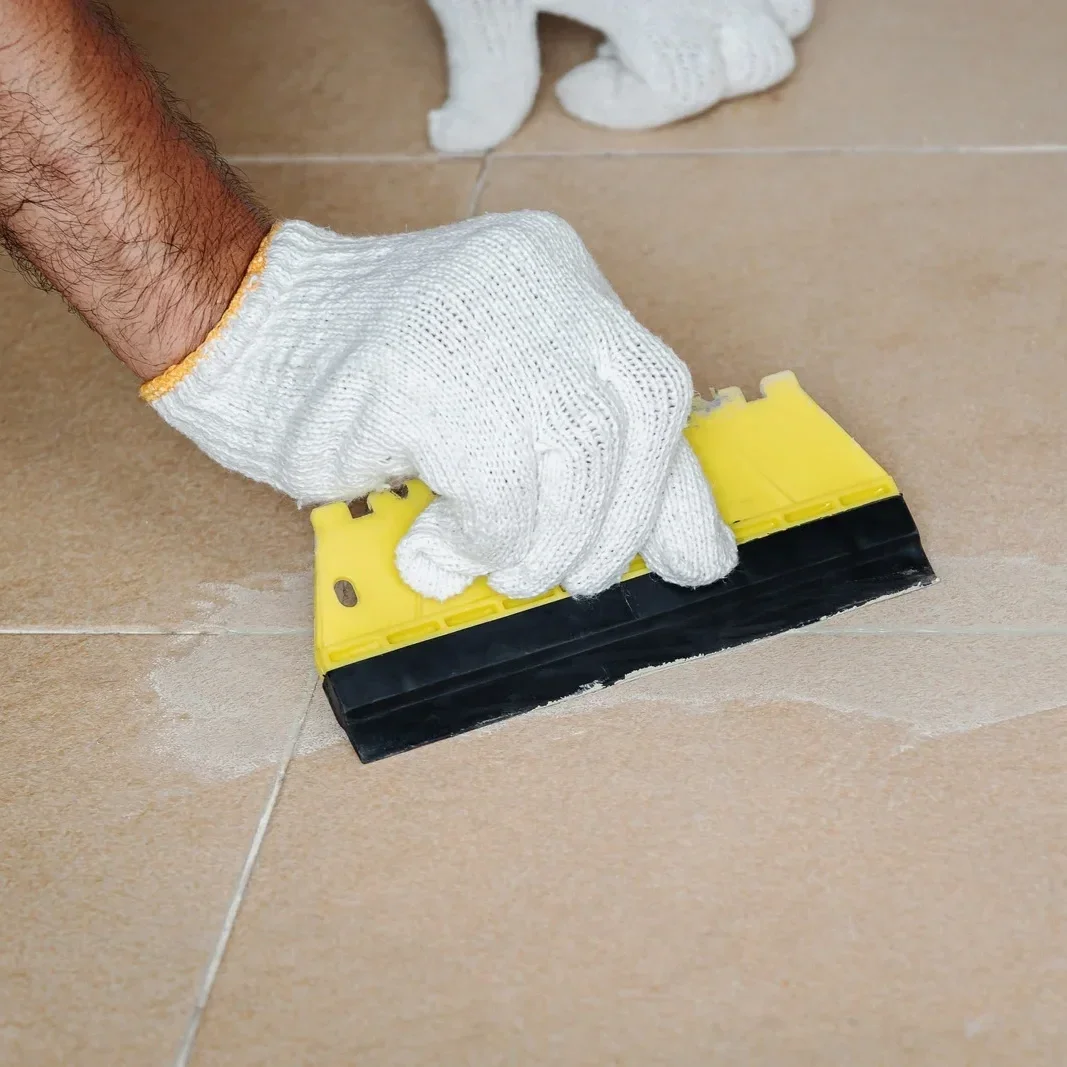
Regular grout sealing and professional cleaning prevent permanent staining from Goodyear's mineral-rich soil, extending the lifespan of rental flooring.
Why Grout Cleaning Matters in Goodyear Rentals
Tile flooring is a staple in many Goodyear, AZ rental properties, appearing in kitchens, bathrooms, and high-traffic areas. It stands up well to the desert’s heat, dust, and heavy use, outperforming carpet in durability. But even the best tiles can look neglected when grout becomes dirty or stained. Grout is porous, absorbing dirt, spills, and hard-water deposits common in Arizona. Over time, this leads to discoloration, odors, and the perception of an unkempt space, even if the tile itself is in good condition.
Grout care is more than cosmetic—it’s a core part of property maintenance. By scheduling routine cleaning, landlords protect flooring investments, reduce complaints, and support higher rents and occupancy rates. In this guide, we’ll explore how to plan, schedule, and implement grout cleaning as part of an ongoing maintenance strategy, both between tenants and during occupancy.
Understanding Grout and Tile in Goodyear Rentals
Tile and Grout Types
Goodyear rentals commonly feature ceramic, porcelain, and natural stone tiles, with occasional luxury vinyl mimicking grout lines. Ceramic and porcelain are highly durable and generally tolerate most cleaners, while natural stone requires gentler products to avoid etching. Tile type affects which cleaners are safe to use and how grout should be maintained.
Grout itself comes in sanded, unsanded, epoxy, or color-sealed varieties. Traditional cement-based grout dominates older and budget-friendly rentals and is more prone to staining. Epoxy and color-sealed grouts resist stains but still require routine cleaning. Knowing both tile and grout types helps landlords select safe cleaners, set realistic appearance standards, and identify when grout needs repair or replacement.
High-Risk Areas and Deterioration
Grout deteriorates over time due to foot traffic, moisture, spills, and Arizona’s hard water. Hairline cracks, missing sections, and discoloration are common in showers, kitchens, laundry rooms, and entryways. Neglect accelerates damage, allowing mold, mildew, or water intrusion to develop. By focusing on these high-risk areas, landlords can prioritize inspections, cleaning, and repairs to prevent costly replacements.
Environmental factors in Goodyear—dusty desert winds, monsoon rains, and high summer heat—add to grout wear. Local lifestyle patterns, such as families, pets, and outdoor activities, also contribute to dirt accumulation. Recognizing these regional factors helps property owners set realistic cleaning schedules and product choices.
Establishing a Grout Cleaning Routine
Routine grout maintenance should combine tenant-level care, landlord oversight, and professional intervention. Light cleaning by tenants—sweeping, mopping with pH-neutral cleaners, wiping spills promptly—is recommended weekly.More thorough cleaning every 1–3 months, plus an annual deep clean, ensures long-term grout health.
Tenant turnover affects frequency. Short-term or high-traffic rentals may need extra deep cleaning during move-outs, while long-term units benefit from mid-lease spot cleaning. Seasonal factors, such as summer dust storms and monsoon rains, may also justify increased cleaning during these periods. Integrating these tasks into an annual maintenance calendar ensures consistency and efficiency. Bundling grout checks with inspections, plumbing, or painting schedules reduces disruption and keeps the property in top condition.
DIY and Professional Cleaning Approaches
Routine Cleaning
Lightly soiled grout can be maintained with pH-neutral cleaners, microfiber mops, and soft brushes. Gentle agitation prevents damage while removing surface dirt. For moderate stains, stronger cleaners, baking soda pastes, or specialty grout products may be needed, applied carefully to avoid tile damage. Drying after cleaning is critical to inspect results, check for cracks, and ensure no moisture remains to trap dirt or foster mold growth.
Deep Cleaning and Restoration
Between tenants, move-out inspections should assess grout for discoloration, cracking, missing sections, and mold. Manual deep cleaning uses concentrated solutions and intensive scrubbing, while machine-assisted methods, like steam cleaners and rotary brushes, provide faster and often more thorough results. Professionals are particularly useful for stubborn stains, extensive high-traffic areas, or portfolios with multiple units. Proper deep cleaning restores appearance and extends grout life, preventing costly repairs.
Addressing Mold, Mildew, and Hard Water
Bathrooms and kitchens are prone to mold, mildew, and mineral buildup. Mold and mildew removers require proper ventilation, protective gear, and adherence to product instructions. Hard water stains may require mildly acidic or commercial descaling products, with caution around natural stone. Persistent issues may necessitate professional remediation or repair. Timely interventions prevent long-term water damage and structural problems.
Re-Grouting, Caulking, and Sealing
When grout is crumbling, cracked, or missing, re-grouting or re-caulking restores integrity and appearance. Sealing is critical in Goodyear rentals to block moisture, dust, and stains. Penetrating sealers are generally preferred for interior grout, offering invisible protection without altering appearance. Sealing should follow deep cleaning during turnover and be refreshed every 1–3 years, depending on traffic and product type. DIY sealing is feasible for small areas, while professionals are ideal for large or multi-unit applications.
Safe Cleaning Products and Practices
Understanding pH is essential: cement-based grout is sensitive to harsh acids, while natural stone can be damaged by acids or strong alkalines. Use pH-neutral or mildly alkaline cleaners for routine maintenance, reserving stronger products for targeted stain removal. Natural or low-VOC cleaners, like diluted vinegar or baking soda pastes, are safe alternatives for sensitive tenants but must be compatible with the tile type. Clear guidelines for tenants and staff prevent damage, support health-conscious living, and maintain consistent appearance standards.
Tenant Communication and Responsibilities
Leases should clearly outline tenant duties, such as regular sweeping, mopping, using mats, and reporting leaks or damage. Move-in orientations or welcome packets provide an ideal opportunity to educate tenants on proper grout care. Checklists for weekly, monthly, and as-needed tasks help tenants follow best practices. Encouraging early reporting of issues like cracked grout, mold, or persistent dampness reduces repair costs and prevents larger damage.
Working with Professional Grout Cleaning Services
Selecting a reliable Goodyear provider requires checking licensing, insurance, experience with rentals, and familiarity with local water and soil conditions. Questions to ask include cleaning methods, product safety, on-site assessments, warranties, and handling of tough stains or mold. Coordinating schedules with tenants and bundling services reduces disruption. Portfolio-wide contracts can secure better pricing, consistent service, and priority scheduling, making grout care more predictable and cost-effective.
Tracking, Documentation, and Improvement
Standardized checklists, inspection forms, and photo documentation ensure consistency, reduce oversights, and provide proof of condition for move-ins and move-outs. Tracking costs for cleaning, repairs, and vendor services helps landlords measure ROI and justify ongoing investment. Feedback from tenants, cleaners, and maintenance staff highlights recurring issues and opportunities for improvement. By continuously refining procedures, landlords ensure their Goodyear rentals remain attractive, hygienic, and well-maintained.
Avoiding Common Mistakes
Key mistakes include using harsh cleaners, skipping grout sealing, delaying repairs, and misaligned tenant expectations. Harsh chemicals erode grout and damage tiles, while neglecting sealing accelerates staining and wear. Prompt repair of cracks or missing grout prevents water damage and mold growth. Setting realistic expectations and documenting baseline conditions reduces disputes and supports a sustainable maintenance strategy.
Conclusion: Long-Term Benefits
A structured grout maintenance program enhances property appearance, protects flooring investments, and reduces complaints and operating costs. Clean grout boosts curb appeal, supports higher rents, shortens vacancies, and promotes tenant satisfaction and renewals. By integrating cleaning, sealing, inspections, and professional services into a cohesive strategy, landlords and property managers in Goodyear, AZ, create a sustainable system that maintains rental value and supports long-term success.
FAQs
In most Goodyear rentals, grout in high-traffic areas like kitchens, bathrooms, and entryways benefits from professional cleaning about once a year. Sealing is typically recommended every one to three years, depending on wear and exposure to moisture. Rental type also matters—short-term or multi-tenant properties often require more frequent attention than single-family homes. Regular professional care helps prevent staining, moisture absorption, and premature grout deterioration, which can lead to more expensive repairs down the line.
Tenants are usually responsible for routine upkeep, including sweeping, mopping, and promptly cleaning spills that could stain grout. However, deep grout cleaning, repairs, and sealing generally fall under the landlord’s responsibilities. These tasks require specialized equipment and materials that go beyond standard household maintenance. Clearly defined lease clauses are the best way to outline who handles what, helping avoid disputes and ensuring the property stays in good condition throughout the tenancy.
Some issues signal that grout problems go deeper than surface dirt. Persistent dark stains that don’t lighten after cleaning, cracking or crumbling grout lines, loose or shifting tiles, and mold that reappears quickly are all red flags. These issues may indicate moisture penetration or structural wear. Catching these warning signs early allows property owners to address them before they lead to tile failure, water damage, or costly restoration work.
While DIY cleaning can help with light surface dirt, professional grout cleaning delivers more thorough and longer-lasting results. Professionals use high-pressure steam, commercial-grade cleaners, and sealing products that aren’t typically available to consumers. For landlords managing multiple units or preparing properties for new tenants, professional services save time, reduce labor, and improve overall presentation. Long-term, professionally maintained grout lasts longer, looks better, and simplifies turnover between tenants.
