How to Minimize Business Disruption During Mold Remediation
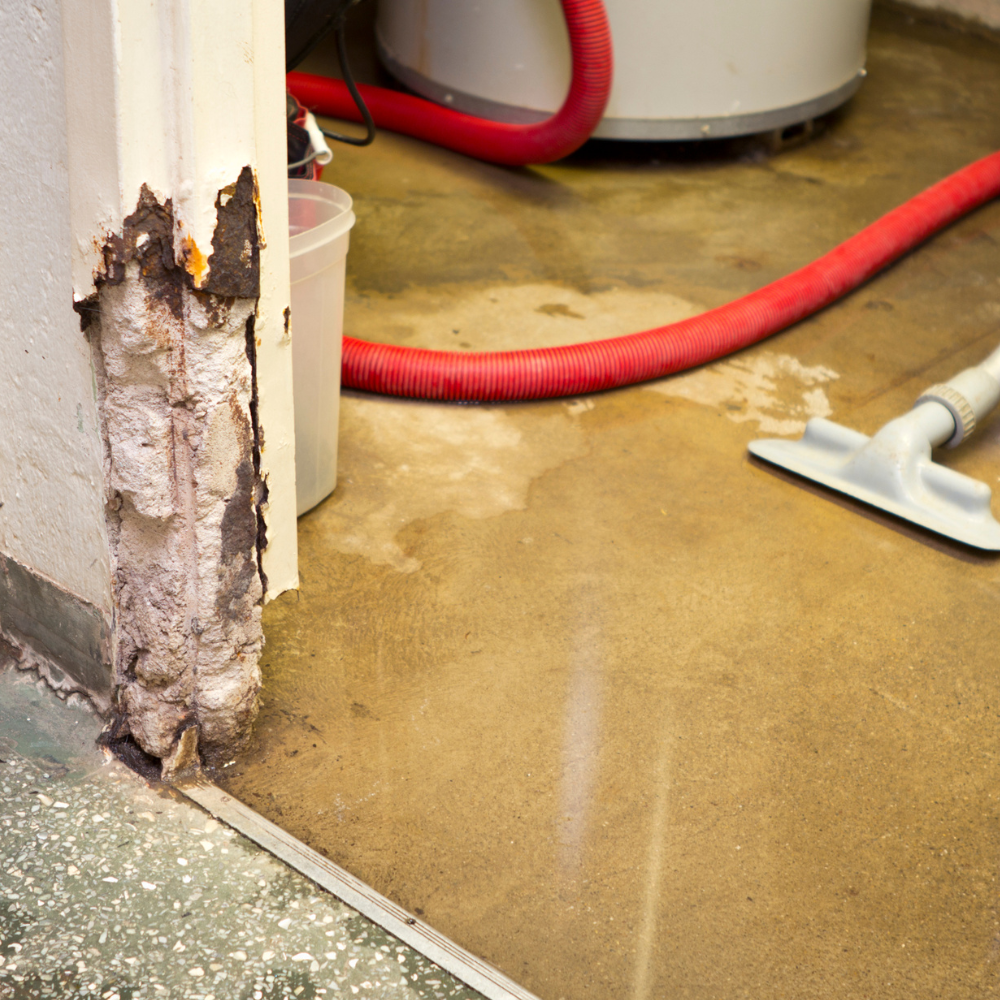
Strategic containment and high-efficiency air filtration systems ensure business operations continue safely during professional mold remediation and air quality restoration.
Mold in a commercial building is more than an unsightly nuisance—it’s a serious risk to health, operations, and revenue. For businesses, remediation is not just about cleaning up a mess; it’s about balancing safety, compliance, and operational continuity. With proper planning, a company can remove mold efficiently while maintaining as much day-to-day functionality as possible. This guide covers strategies for minimizing disruption during mold remediation, ensuring your staff, customers, and critical operations are protected throughout the process.
Understanding Mold Remediation and Its Impact on Business Operations
Mold remediation in commercial settings differs from residential work in scale and complexity. It typically involves inspection, testing if needed, containment, removal of affected materials, cleaning, drying, and post-remediation verification. Specialized equipment—like air scrubbers, dehumidifiers, and negative air machines—ensures effective removal but can generate noise and occupy space, affecting regular operations.
The larger and more complex a facility—be it offices, warehouses, retail stores, restaurants, or healthcare settings—the more challenging logistics become. Mold often develops from roof leaks, plumbing failures, HVAC problems, high humidity, or poor ventilation. Acting quickly is crucial, not only for safety but also for preventing operational disruption and long-term damage. Understanding these risks early allows businesses to plan strategically rather than react under pressure.
The effects of mold go beyond health risks. Daily operations can be disrupted by closed rooms, restricted access, relocated equipment, or noisy machinery. Employees may need temporary relocation, and customer access might be limited, reducing productivity and affecting morale. Indirect consequences include rescheduled shifts, overtime to catch up, and management strain. Anticipating these challenges upfront ensures smoother remediation and preserves operational flow.
Health, Safety, and Legal Considerations
Mold exposure can trigger respiratory issues, allergies, or exacerbate asthma, particularly in vulnerable populations. Businesses have legal obligations to maintain a safe work environment, including OSHA and local health regulations. Ignoring mold can result in liability, workers’ compensation claims, or regulatory fines.
Documented safety measures are essential during remediation. Signage, access restrictions, and personal protective equipment (PPE) protect employees and contractors. Prioritizing health and safety supports smoother operations and reduces the likelihood of unexpected closures. Minimizing disruption should never come at the expense of human health—safety planning is both a legal and operational necessity.
Planning for Minimal Disruption
Financial and operational impacts are key motivators for disruption-sensitive remediation planning. Lost revenue, delayed projects, reduced foot traffic, and reputational risk can far exceed the direct cost of remediation. Businesses that stage operations, coordinate tightly with contractors, and prepare contingency plans often maintain partial operations or resume normal activity more quickly.
Before remediation begins, define objectives such as protecting health, complying with regulations, limiting downtime, maintaining customer trust, safeguarding assets, and controlling costs. Establishing what level of disruption is acceptable guides scheduling, phasing, and communications. Clear objectives allow better negotiations with remediation providers, insurers, and landlords and help measure success throughout the project.
Conducting a Comprehensive Pre-Remediation Assessment
Start with a detailed inspection of all affected and adjacent areas, including hidden spaces like ceilings, crawlspaces, HVAC ducts, and storage rooms. Identify the moisture source—whether roof leaks, plumbing failures, or condensation—to prevent recurrence. Engaging an independent environmental professional for testing or mapping may be necessary. Accurate assessment prevents surprises, supports phased work, and minimizes sudden closures.
Next, categorize areas by operational criticality. For instance, in a restaurant, the kitchen and dining room are mission-critical, whereas storage or office spaces may tolerate temporary closure. Mapping business processes to physical spaces informs which areas need protection and how phasing can reduce disruption. A risk assessment balancing mold exposure hazards with operational needs further guides decisions on closures, staffing, and mitigation strategies.
Business Continuity and Contingency Planning
Maintaining productivity during remediation requires defining “minimum viable operations”—the core processes that must continue. Identify resources, personnel, and spaces needed to keep these functions active. Alternate work locations, remote work, and flexible scheduling reduce onsite headcount, enabling safer, more efficient containment.
Contingency planning addresses worst-case scenarios: unexpected mold spread, structural damage, or extended project timelines. Prepare playbooks for alternative vendors, backup locations, and temporary workflows. Coordination with insurance providers ensures coverage understanding, while a contingency fund for unexpected costs avoids mid-project financial strain. Integrating mold events into existing emergency plans enhances overall resilience, aligning response protocols with fire, flood, or other disruptions.
Contractor Selection and Coordination
Choose remediation contractors experienced in active commercial environments. They understand noise control, phased work, and safe access, reducing operational disruption. Ask about previous projects in occupied buildings, safety procedures, after-hours work, and references.
Agree on scope, timeline, and phasing upfront. Prioritize non-critical areas first and define expectations for noise, odors, and access. Flexible work hours—nights or weekends—may reduce onsite interference but should be budgeted accordingly. Maintain clear communication channels with a single point of contact on both sides, documenting key decisions to prevent misunderstandings.
Containment, Zoning, and Workflow Management
Proper containment keeps unaffected areas operational and staff safe. Use plastic barriers, zipper doors, and negative air machines to isolate work zones, mapping traffic flows to minimize interference. Create clear, mold-free access routes for employees, customers, and vendors, ensuring compliance with fire and accessibility codes.
Manage shared spaces carefully. Alternate restrooms, stagger break times, and maintain lobbies, kitchens, and reception areas in a clean, professional state. Signage and visual communication reduce confusion and signal proactive management. For multi-tenant buildings, coordinate with landlords and neighbors to avoid conflicts and delays. Adjust schedules, shifts, and workflows to reduce onsite density while maintaining critical functions.
Technology can support productivity when physical access is limited. Collaboration tools, cloud storage, and remote access to applications help maintain operations. Coordinate with vendors, suppliers, and logistics to prevent supply chain disruptions, rerouting deliveries, or adjusting schedules as needed.
Protecting People and Maintaining Confidence
Transparency about health and safety measures builds trust. Share general information about the mold issue, remediation steps, and safety precautions using emails, posters, or briefings. Train staff on access routes, restricted areas, and emergency procedures. Pay special attention to sensitive populations, providing accommodations when necessary.
Maintain a professional appearance during remediation. Keep work areas tidy, provide clear signage, and prepare front-line staff with consistent messaging. Establish a process for handling complaints and incident reports promptly. Proactive communication preserves confidence and reduces potential legal exposure.
Post-Remediation Verification and Reoccupation
Once remediation is complete, post-remediation verification—visual inspections, moisture measurements, and sometimes air testing—confirms safety. Keep detailed reports for records, insurance, and future reference. Reopen areas in phases, ensuring containment removal and cleaning are complete. Restore furniture, equipment, and inventory carefully, conducting final checks before staff or customers return.
Ongoing monitoring of humidity, ventilation, and previously affected areas helps prevent recurrence. Regular inspections, plumbing checks, and maintenance routines strengthen long-term resilience. Documenting lessons learned informs future continuity planning and reduces disruption in subsequent incidents.
Long-Term Prevention and Continuous Improvement
Preventing mold recurrence relies on robust moisture control, proactive maintenance, and HVAC system optimization. Maintain roofs, windows, and drainage systems, and monitor indoor humidity. Upgrade HVAC systems when necessary for proper filtration and dehumidification. Establish mold response protocols and integrate training into employee onboarding.
Include mold risks in broader business continuity and disaster recovery planning. Periodically review building performance, incident history, and preventive measures. Continuous improvement strengthens organizational resilience, ensuring future remediation, if needed, is less disruptive and more efficiently managed.
Conclusion
Minimizing business disruption during mold remediation requires thorough preparation, clear objectives, and strategic communication. Understanding the remediation process, conducting detailed assessments, and planning around mission-critical operations allow businesses to maintain productivity while keeping employees, customers, and assets safe.
Partnering with experienced contractors, coordinating with landlords and regulators, and designing effective containment solutions support operational continuity. Transparent communication, phased reopening, and post-remediation monitoring preserve trust and confidence. Ultimately, mold remediation is not just about cleanup—it’s an opportunity to strengthen building systems, refine continuity plans, and invest in long-term prevention for smoother operations in the future.
FAQs
By defining minimum viable operations, using phased remediation, adjusting schedules, relocating or enabling remote work for staff, and coordinating with contractors to minimize interference in key areas.
Yes, if containment zones are properly established, PPE is used, and staff stay out of affected areas. Health and safety must always take priority.
Timelines vary with the extent of mold, size of the facility, type of materials affected, and complexity of containment and equipment. Phased remediation, after-hours work, and unexpected findings can also influence duration.
Coverage depends on your policy. Business interruption, property damage, and extra expense clauses may apply. Early coordination with your insurer and thorough documentation are critical.
Implement regular building inspections, moisture control, HVAC maintenance, employee training, and integrate mold response into your business continuity plan. Promptly address leaks, humidity issues, and ventilation concerns.