
How to Prepare for Spring Grout Cleaning in Goodyear, AZ
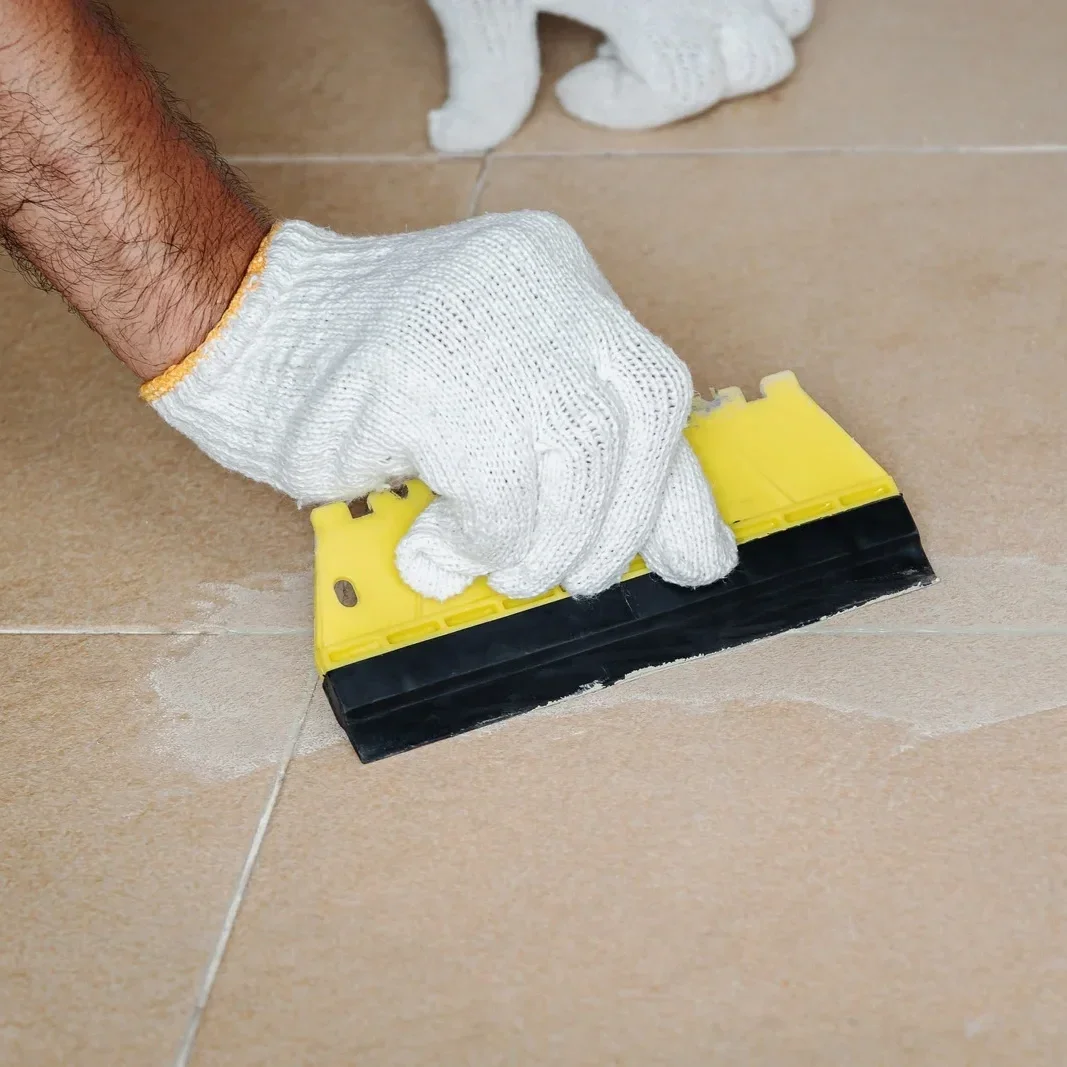
Deep cleaning tile grout restores your Goodyear home’s interior just in time for the bright Arizona spring season.
Spring Conditions In Goodyear And Why Grout Behaves Differently After Winter
Homes in Goodyear, Arizona, experience a unique transition as winter fades and spring temperatures settle in. Even though winters remain mild compared to other regions, seasonal moisture patterns, cooler nighttime temperatures, and reduced ventilation habits all leave subtle impacts on tiled surfaces and grout lines. During winter, many homeowners run heating systems more consistently, keep windows closed longer, and reduce airflow through kitchens, bathrooms, and entryways. That limited airflow allows moisture from showers, cooking, and everyday cleaning to linger in grout joints, especially in older tile installations or in areas with porous grout. Over time, that trapped moisture can lead to darkened grout, mineral deposits, and early microbial growth, which often go unnoticed until brighter spring light exposes them.
From a water damage restoration perspective, grout tells a story about how moisture has moved through a home over time. Grout absorbs water slowly and releases it just as slowly, which means winter moisture does not simply disappear once temperatures rise. As spring arrives in Goodyear, increased humidity from irrigation systems, outdoor landscaping, and occasional spring storms adds another layer of moisture exposure. Grout that already absorbed moisture during winter becomes less able to dry efficiently, which can create hidden damp zones beneath tile surfaces. Preparing for spring grout cleaning means understanding that cleaning alone does not address moisture behavior. Proper preparation focuses on identifying areas where moisture may still be active and preventing deeper water intrusion that could affect subflooring, walls, or adjacent materials.
Evaluating Tile Areas That Experience Repeated Moisture Exposure
Before any spring grout cleaning begins, it helps to evaluate which tiled areas in the home experience repeated or prolonged moisture exposure. Bathrooms often receive the most attention, but kitchens, laundry rooms, entryways, and even tiled living spaces near exterior doors can show moisture-related grout issues. In Goodyear homes, tile floors near patios or pool access points often collect tracked-in water that settles into the grout lines. Over time, repeated exposure without adequate drying can weaken grout structure and allow moisture to migrate below the tile surface. Cleaning without understanding these exposure patterns may improve appearance while leaving moisture conditions unchanged.
From years of water damage assessments, certain signs consistently appear before larger problems develop. Grout that darkens unevenly, remains damp long after cleaning, or develops a chalky residue often indicates moisture movement below the surface rather than surface-level staining. Preparing for spring grout cleaning involves checking these areas at different times of day. Morning inspections may reveal overnight moisture retention, while afternoon checks show how quickly areas dry once temperatures rise. These observations guide how aggressively grout should be cleaned and whether additional drying or moisture control measures should be addressed first. Skipping this evaluation stage often leads to repeat cleaning cycles without long-term improvement.
Understanding Grout Composition And How It Responds To Cleaning
Not all grout responds the same way to spring cleaning efforts. Older Goodyear homes often contain cement-based grout that remains highly porous, while newer installations may use modified or sealed grout products. Cement-based grout readily absorbs water, allowing winter moisture to linger deeper within the joint structure. Aggressive cleaning methods applied to already saturated grout can actually push moisture further into surrounding materials, increasing the risk of swelling, cracking, or mold development beneath the tile. Understanding the type of grout present allows homeowners to prepare properly and avoid unintentionally worsening moisture conditions.
Water damage restoration professionals regularly see cases where improper grout cleaning leads to hidden damage weeks or months later. High-pressure rinsing, excessive water use, or harsh chemical cleaners can overwhelm grout that has not fully dried from winter conditions. Preparing for spring grout cleaning should include allowing the grout to dry naturally for several days, with improved ventilation, before any deep cleaning begins. Fans, open windows during dry weather, and careful control of indoor humidity help grout release stored moisture gradually. This preparation reduces the risk of moisture being driven deeper into sublayers during cleaning, which protects both tile installations and the structural components beneath them.
Identifying Early Signs Of Water Migration Beneath Tile Surfaces
One of the most overlooked aspects of grout preparation involves identifying early signs of water migration beneath tile surfaces. Grout lines often act as the first visible indicator of deeper moisture problems. Slight cracking, powdery residue, or persistent discoloration frequently signal that moisture has traveled beyond the grout itself. In Goodyear, Arizona, slab foundations are common, and moisture trapped beneath tile can migrate laterally across concrete surfaces. That lateral movement allows water to spread beyond the source, creating broader areas of impact over time.
Preparing for spring grout cleaning should include careful inspection along baseboards, door thresholds, and transition points where tile meets other flooring materials. Subtle warping of adjacent materials, faint musty odors, or minor staining near grout lines often appear before serious damage becomes visible. Addressing these indicators early allows homeowners to clean grout while also managing moisture sources such as minor plumbing leaks, poor drainage near entryways, or inadequate ventilation. Cleaning grout without addressing underlying water migration often leads to recurring discoloration and gradual deterioration, which can become more expensive to repair later.
How Seasonal Cleaning Habits Influence Long-Term Grout Performance
Seasonal cleaning habits play a larger role in grout performance than many homeowners realize. During winter, cleaning routines often change as families spend more time indoors. Increased indoor activity leads to more frequent surface cleaning, which introduces additional moisture into grout lines. Without proper drying time, that moisture accumulates incrementally. By the time spring arrives, grout may already be holding months of residual moisture that affects how it responds to cleaning products and techniques.
From a restoration standpoint, preparing for spring grout cleaning involves adjusting habits before the actual cleaning begins. Reducing excess water use during routine mopping, switching to damp rather than wet cleaning methods, and allowing floors to dry fully between cleanings all support healthier grout conditions. These adjustments during the weeks leading up to spring cleaning help stabilize moisture levels so that deeper cleaning produces better results. Grout that enters the cleaning process closer to its natural dry state responds more evenly, maintains its structural integrity, and resists future staining more effectively.
Addressing Environmental Factors Unique To Goodyear Homes
Goodyear, Arizona, presents specific environmental factors that influence grout condition year-round. Desert dust, irrigation overspray, and temperature swings between day and night all affect how moisture behaves in grout lines. Fine dust particles often settle into grout, where they absorb moisture and create stubborn discoloration that mimics mold or staining. Spring winds can introduce additional dust that mixes with residual winter moisture, complicating cleaning efforts if preparation is skipped.
Preparing for spring grout cleaning means accounting for these environmental influences. Sealing windows and doors properly, managing outdoor water sources, and addressing drainage near tiled entry points all help limit new moisture exposure during the cleaning process. Restoration professionals frequently observe that grout cleaning performed without environmental controls quickly loses its visual improvement due to continued moisture and debris infiltration. Preparation creates a controlled environment where cleaning efforts deliver longer-lasting results and reduce the likelihood of moisture-related deterioration returning as temperatures continue to rise.
Preparing Adjacent Materials To Prevent Secondary Water Impact
Grout cleaning does not occur in isolation, especially in homes where tile connects directly to drywall, cabinetry, baseboards, or transition flooring. In Goodyear homes, tile installations often extend into open living areas where materials with very different moisture tolerances meet. When grout absorbs water during cleaning, surrounding materials may also experience incidental exposure through capillary movement or surface runoff. Preparing for spring grout cleaning requires attention to these adjacent materials before any moisture is introduced. Baseboards should be inspected for existing gaps, swelling, or previous water marks that suggest past exposure. Cabinet toe kicks and lower drywall sections near tiled floors often reveal early moisture interaction that cleaning could worsen if left unaddressed.
From a water damage restoration standpoint, secondary impact often creates more long-term issues than grout discoloration itself. Moisture migrating from grout into drywall can lead to softening, microbial growth, and hidden deterioration behind finished surfaces. Preparing adjacent materials involves sealing vulnerable edges, improving airflow around enclosed areas, and removing any existing moisture sources that could compound exposure during cleaning. Taking these steps allows grout cleaning to focus on restoration rather than triggering new damage pathways. Homes that skip this preparation stage often require additional repairs unrelated to grout appearance within months of cleaning, especially where tile meets absorbent building materials.
Ventilation Strategies That Support Safe Grout Drying
Ventilation plays a critical role before, during, and after spring grout cleaning. In Goodyear, Arizona, warmer spring temperatures may encourage homeowners to rely on natural ventilation, but inconsistent airflow patterns can trap moisture in some rooms. Bathrooms without adequate exhaust systems, laundry rooms with limited circulation, and interior tile areas far from windows often struggle to release moisture efficiently. Preparing for grout cleaning includes assessing ventilation performance across the home and addressing deficiencies before introducing additional water.
Water damage restoration professionals routinely use controlled airflow to manage moisture behavior in tiled spaces. Fans positioned to move air across grout lines, temporary dehumidification during cleaning, and strategic window use during low-humidity periods all support faster, more even drying. These strategies reduce the likelihood of moisture lingering beneath tile or migrating into subfloor materials. Ventilation preparation also helps prevent uneven drying of grout, which can lead to cracking, color variation, or a weakened joint structure. Homes that incorporate ventilation planning into grout cleaning preparation consistently achieve better long-term results without recurring moisture-related issues.
Timing Spring Grout Cleaning Around Moisture Conditions
Timing matters when preparing for spring grout cleaning in Goodyear. Early spring weather can fluctuate between dry, warm days and cooler nights with higher relative humidity. Cleaning grout during periods of elevated indoor humidity slows drying and increases the chance of moisture retention beneath tile surfaces. Preparation involves monitoring indoor conditions and cleaning windows when humidity remains stable and manageable. This often means avoiding cleaning immediately after rain events, irrigation system adjustments, or periods of increased indoor water use.
Experienced restoration specialists recognize that moisture conditions influence not only drying time but also grout durability. Cleaning during optimal conditions allows grout to release water gradually rather than trapping it within the joint. Homeowners who prepare by adjusting schedules, temporarily reducing indoor water usage, and coordinating cleaning with favorable weather patterns minimize risk while maximizing effectiveness. Timing preparation ensures that grout cleaning supports long-term tile health rather than creating new moisture challenges that surface later in the season.
Recognizing When Professional Assessment Is Needed Before Cleaning
While many homeowners plan spring grout cleaning as routine maintenance, certain conditions warrant a professional assessment before proceeding. Persistent grout discoloration, recurring odors, or visible cracking often indicate moisture issues that extend beyond surface contamination. In Goodyear homes with slab foundations, even minor plumbing leaks beneath tile can present as grout staining long before structural damage becomes obvious. Cleaning without identifying these issues may temporarily improve appearance while allowing hidden moisture problems to continue.
Water damage restoration experts frequently encounter situations in which grout cleaning masks underlying leaks, leading to delayed discovery and more extensive repairs. Preparation includes recognizing these warning signs and seeking professional evaluation when needed. Infrared moisture detection, surface testing, and targeted inspections help determine whether grout cleaning alone addresses the issue or if moisture mitigation should occur first. Proper assessment protects homeowners from investing in repeated cleaning efforts that fail to resolve deeper concerns and ensures that spring maintenance supports overall home health.
FAQ
Preparation should begin several weeks before the planned cleaning to allow the grout to dry after winter moisture exposure. Improving ventilation, reducing excess water use, and observing how grout behaves during daily activities provide valuable insight before cleaning begins.
Recurring discoloration often indicates ongoing moisture beneath the tile surface rather than surface-level staining. Without addressing moisture sources or drying conditions, cleaning alone does not prevent grout from darkening again over time.
Improper preparation can allow moisture from cleaning to migrate into subflooring, drywall, or adjacent materials. Addressing ventilation, timing, and surrounding materials before cleaning reduces the risk of secondary water damage.
Bathrooms, kitchens, laundry rooms, entryways, and areas near exterior doors should be inspected closely. Grout near baseboards, transitions, and plumbing fixtures often reveals early moisture movement that should be addressed during preparation.
Professional assessment is recommended if grout shows persistent dampness, cracking, odors, or discoloration that returns quickly after cleaning. These signs may indicate hidden moisture issues that require mitigation before routine maintenance.
