
How To Prevent Mold Growth in Your Goodyear, AZ, Home
Regular AC maintenance is your first line of defense against indoor humidity and mold growth in the Arizona heat.
Introduction
Many Goodyear homeowners assume mold is only a problem in humid, rainy climates. After all, this part of Arizona is known for its dry air, intense sun, and desert landscape. But the truth is, mold can and does grow in Goodyear homes when moisture gets trapped indoors. Leaks, condensation, poor ventilation, and everyday household activities can all create the right conditions for mold, even in a desert environment.
Preventing mold isn’t about fear or constant cleaning. It’s about understanding how moisture behaves in your home, recognizing high-risk areas, and adopting smart habits that keep indoor spaces dry and well-ventilated. With the right approach, you can greatly reduce your risk of mold while protecting your health and your home’s value.
Understanding Mold Growth in Goodyear’s Desert Climate
Mold is a type of fungus that thrives in damp, poorly ventilated areas. It reproduces through microscopic spores that are always floating in the air, both indoors and outdoors. These spores usually aren’t a problem until they land on a surface that offers the right conditions for growth. Mold can grow on many common household materials, including drywall, wood, carpet, insulation, and even dust that settles on surfaces.
For mold to grow, three basic ingredients are needed: moisture, organic material (such as wood, paper, or dust), and a comfortable temperature range—which most homes already provide. While mold is often associated with humid regions, it can become a serious issue in Goodyear whenever moisture is trapped indoors. A small plumbing leak, condensation from air conditioning, or poor bathroom ventilation can all supply enough moisture to start mold growth.
Why Mold Is Still a Risk in a Dry Place Like Goodyear, AZ
It seems like a paradox: how can mold be a problem in a desert? The answer lies in indoor conditions. During the monsoon season, outdoor humidity can spike. Inside the home, moisture builds up from hot showers, cooking, dishwashers, humidifiers, indoor plants, and even line-drying clothes. Cooling systems can also create condensation, especially around windows, ducts, and vents.
Another factor is that many Goodyear homes are tightly sealed for energy efficiency. While this helps keep hot air out and lowers cooling costs, it can also trap moist indoor air. Rapid temperature changes between hot outdoor air and cold, air-conditioned interiors encourage condensation on windows, walls, and ductwork. Because of the desert climate, homeowners often underestimate mold risk and overlook early warning signs.
Health and Home Impacts of Mold Growth
Mold exposure can affect people differently, but it tends to hit children, older adults, and those with asthma or allergies the hardest. Symptoms may include coughing, sneezing, wheezing, watery eyes, nasal congestion, headaches, and fatigue. In people with respiratory conditions, mold can aggravate asthma and trigger more frequent flare-ups.
Mold also takes a toll on the home itself. It can stain walls and ceilings, deteriorate drywall and wood, and cause persistent musty odors that are difficult to eliminate. Left unchecked, mold can spread into wall cavities, insulation, and HVAC systems. This often leads to costly remediation, reduced property value, and complications during home inspections when selling.
High-Risk Areas for Mold in Your Goodyear Home
Bathrooms are almost always the top risk area because of hot showers, steam, and limited airflow. Mold commonly appears on grout, caulking, ceilings above showers, under sinks, and behind vanities. Hidden leaks inside walls and cabinets can quietly create ideal mold conditions.
Kitchens and laundry rooms are also vulnerable. Typical problem spots include under sinks, behind dishwashers and refrigerators with ice makers, around washing machines, and near dryer vents. Even slow drips or loose connections can saturate cabinetry and drywall over time.
Attics and rooflines are another concern, especially during the monsoon season. Roof leaks, poor attic ventilation, and improperly vented bathroom fans can introduce moisture into insulation and rafters. Windows and sliding doors often develop condensation because of the temperature difference between outdoor heat and cool indoor air. Ground-level moisture can migrate through concrete slabs or enter through foundations when irrigation or grading directs water toward the house.
Controlling Indoor Humidity and Ventilation
Even in Goodyear, indoor humidity can climb quickly from everyday activities. Mold can begin growing when relative humidity stays above about 60 percent. Using a simple hygrometer to monitor humidity in bathrooms, kitchens, laundry rooms, and near windows is an easy and affordable prevention step. Ideally, indoor humidity should stay between 30 and 50 percent.
Bathroom exhaust fans should run before, during, and for at least 15–20 minutes after showers. Kitchen range hoods should be used when cooking, especially when boiling or simmering. Dryers must be vented outdoors using rigid metal ducts. Dehumidifiers can be helpful during the monsoon season or in naturally damp rooms, such as interior bathrooms.
Your HVAC system also plays a role. Properly sized and well-maintained air conditioning systems remove moisture as they cool. Using the “auto” fan setting, keeping filters clean, and having annual tune-ups help maintain stable humidity levels.
Condensation, Insulation, and Maintenance Strategies
Condensation happens when warm, moist air touches cool surfaces. In Goodyear homes, this often shows up on windows, walls, and uninsulated ductwork. Repeated condensation is a red flag because lingering moisture feeds mold growth. Adjusting thermostat settings, improving airflow around windows, and wiping condensation promptly all help reduce risk.
Good insulation keeps interior surfaces warmer and reduces cold spots where moisture can collect. Sealing air leaks around windows, doors, outlets, and plumbing penetrations prevents hot outdoor air from infiltrating and condensing indoors. Attics should be properly insulated and ventilated to allow heat and moisture to escape.
Regular maintenance is essential. Check under sinks and appliances for slow leaks. Inspect caulk and grout in bathrooms. Look for roof damage before and after the monsoon season. Clean gutters, direct downspouts away from the foundation, and manage irrigation so water doesn’t pool near the house.
Cleaning and Daily Habits That Discourage Mold
Mold feeds on organic matter found in dust, soap scum, and grease. Regular dusting and vacuuming reduce the amount of mold that can grow if moisture appears. Bathrooms and kitchens benefit from weekly cleaning of showers, sinks, counters, and drains.
Damp towels, rugs, and soft furnishings should be dried promptly. Wet clothes shouldn’t sit in piles. HVAC filters should be changed regularly, and vents should be kept clean. Mold-preventive cleaners can help in problem areas, but they are not a substitute for fixing moisture issues.
Small daily habits make a big difference. Use exhaust fans, avoid overcooling the home, keep vents unblocked, and pay attention to condensation and musty odors.
When Mold Appears and Monsoon Season Preparation
Small mold spots on non-porous surfaces can sometimes be cleaned safely with proper protective gear and good ventilation. However, mold that covers large areas, keeps returning, appears in HVAC systems, or follows water damage usually requires professional help. Persistent musty odors and recurring damp spots are also signs that deeper moisture problems may exist.
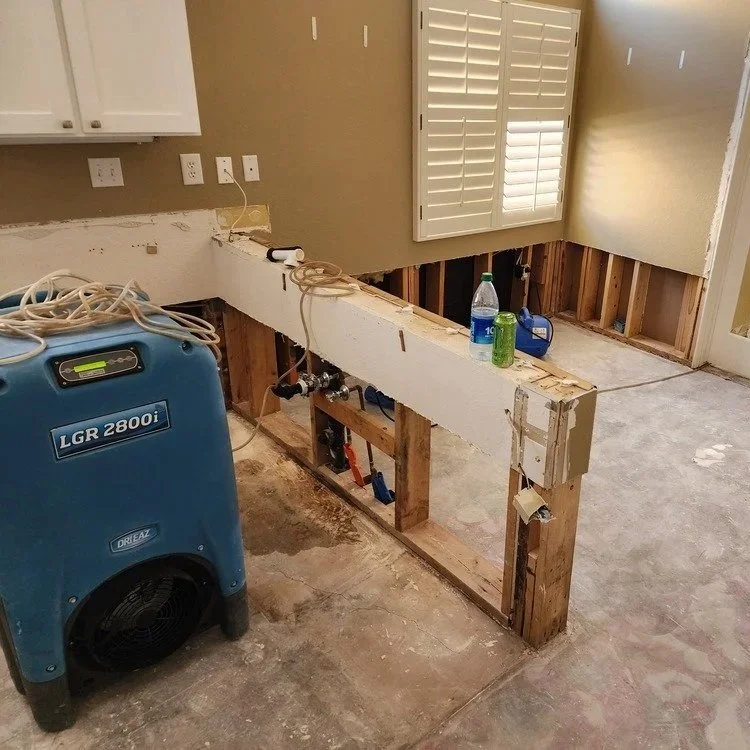
Preparing for the monsoon season is one of the best preventive steps Goodyear homeowners can take. Inspect roofs, gutters, windows, doors, exterior caulking, yard grading, and attic ventilation before storms arrive. After any leak or flooding, act quickly: stop the water source, remove standing water, dry materials thoroughly, and increase ventilation and dehumidification.
Mold prevention is an ongoing process, not a one-time project. Regular inspections, prompt repairs, smart ventilation, and moisture-aware habits go a long way toward keeping your home dry, healthy, and mold-free year-round.
FAQs
Hidden mold is often signaled by persistent musty odors, recurring condensation, unexplained stains, or allergy-like symptoms that worsen indoors. Checking under sinks, behind furniture, inside closets, and in attics can help reveal early clues.
Most experts recommend keeping indoor humidity between 30 and 50 percent. Mold risk increases when humidity consistently exceeds about 55–60 percent.
They can be useful during monsoon season or in naturally damp rooms such as interior bathrooms and laundry areas. While not always needed year-round, they are a helpful tool for controlling temporary humidity spikes.
A small surface mold on tile or glass can sometimes be cleaned safely. Mold covering large areas, recurring mold, mold in HVAC systems, or mold following water damage should be evaluated and handled by professionals.
