
Understanding the Health Risks of Mold Exposure in Goodyear, AZ
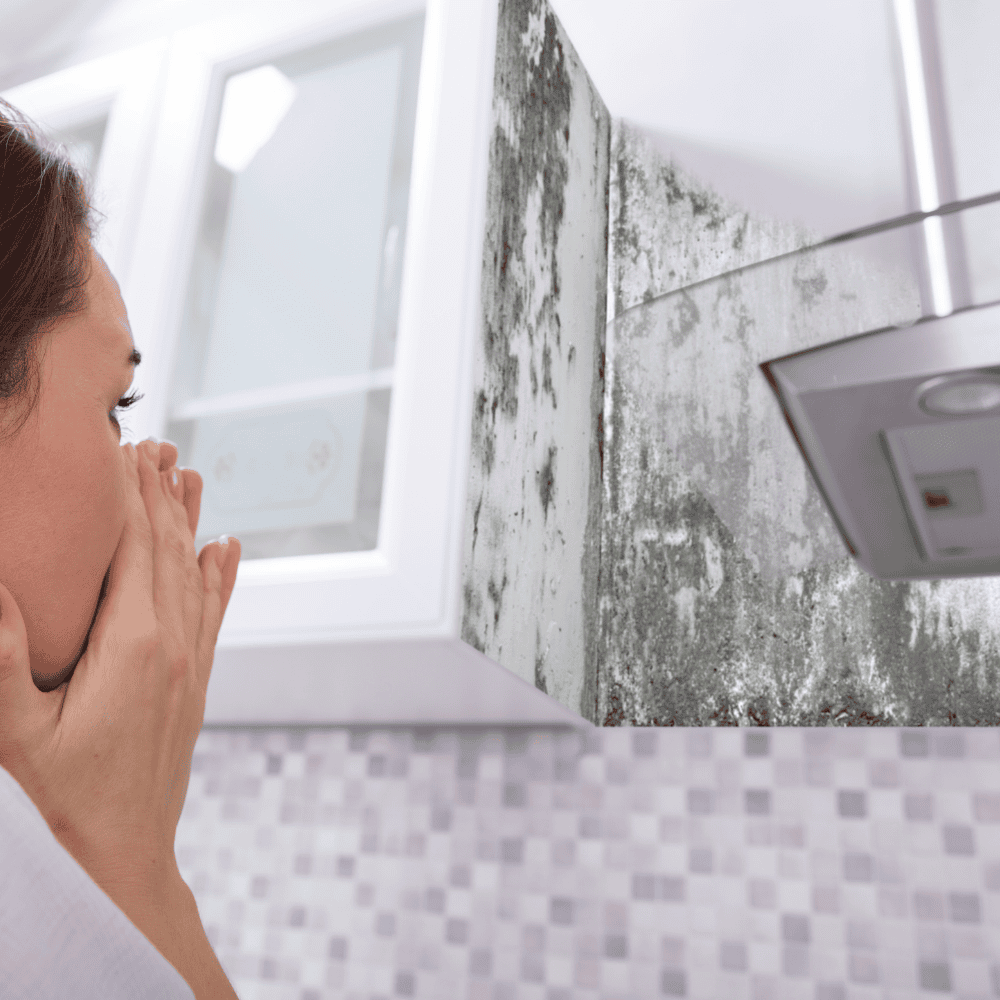
Despite the desert climate, hidden humidity in Goodyear homes can foster indoor mold growth, posing unexpected risks to resident health.
Mold Exposure in Goodyear, AZ
Even in a desert city like Goodyear, AZ, mold can thrive indoors. Air-conditioned homes, plumbing leaks, and monsoon moisture create hidden microclimates where mold grows unnoticed. Rapid development and tightly sealed modern homes trap humidity, encouraging concealed mold growth. Many residents assume mold is only a humid-region problem, but in central Arizona, families, seniors, and people with chronic health conditions remain at risk. Understanding mold exposure is essential for protecting health and preventing long-term complications.
Goodyear residents may not see mold immediately, but symptoms often appear first: allergies, coughing, sinus pressure, or fatigue. Indoor moisture combined with dust, pollen, and occasional storms provides the perfect environment for mold, making early awareness crucial for proactive prevention.
How Mold Grows Indoors
Mold is a type of fungus that reproduces via spores, which are present in outdoor air and easily enter homes. Indoors, mold spores can colonize surfaces when moisture and organic materials like wood, drywall, or carpet are present. Mold can grow in as little as 24–48 hours after water exposure, releasing more spores and sometimes mycotoxins that affect health.
In Goodyear homes, common indoor molds include Cladosporium, Alternaria, Aspergillus, Penicillium, and sometimes Stachybotrys chartarum (“black mold”). Growth is often hidden—behind walls, under flooring, in attics, or in HVAC systems. Signs of hidden mold include musty odors, unexplained allergies, peeling paint, and warped surfaces. Professional inspection is recommended when mold is suspected but unseen.
Health Effects of Mold Exposure
General and Short-Term Effects
Healthy adults may experience sneezing, nasal congestion, itchy eyes, coughing, skin irritation, headaches, and fatigue. Symptoms often mimic seasonal allergies or colds, making mold difficult to identify without careful observation. Severity increases with prolonged exposure, and repeated contact can trigger new sensitivities.
Children, seniors, pregnant individuals, and those with asthma, allergies, or chronic respiratory conditions are particularly vulnerable. Children’s developing lungs and immune systems can be affected, sometimes increasing asthma risk. Seniors and pregnant individuals face additional strain, while immunocompromised people risk serious infections from molds likeAspergillus. Recognizing early signs and patterns—such as symptom improvement when away from home—is essential.
Long-Term Effects
Chronic exposure can lead to persistent sinusitis, airway inflammation, worsening asthma, and potential neurological issues like brain fog or mood changes. Some individuals may develop hypersensitivity pneumonitis, an immune-mediated lung condition. Long-term health effects vary, making early detection and removal of mold critical to prevent lasting complications.
Common Mold Hotspots in Goodyear Homes
Bathrooms, kitchens, laundry rooms, attics, HVAC systems, windows, exterior walls, and flooring are high-risk areas. Moisture from plumbing leaks, condensation, or monsoon storms can fuel mold behind walls, under cabinets, or in HVAC ducts. Slab-on-grade foundations may allow moisture to wick up into flooring, hiding mold under carpets or laminate. Regular inspection and prompt maintenance are key to prevention.
Goodyear’s climate, with monsoon rains, flash flooding, dust storms, and heavy AC use, contributes to indoor mold risk.Outdoor spores can settle indoors, and tightly sealed homes can trap humidity. Rapid construction and energy-efficient designs sometimes worsen moisture problems, making professional assessment and preventive strategies essential.
Identifying and Managing Mold
Visible mold, musty odors, unexplained health symptoms, and a history of water damage are primary clues. A professional inspection can include moisture measurements, infrared imaging, and air or surface sampling. Mold testing may help in cases of hidden growth, serious illness, or insurance claims, but addressing moisture sources is always the priority.
Mycotoxins, sometimes produced by certain molds, can affect health in high exposures. Not all “black mold” is toxic, and color alone does not determine risk. Science continues to study mold’s health effects, so it’s important to approach concerns calmly: remove moisture, remediate safely, and minimize exposure while protecting vulnerable individuals.
Preventing Mold in Your Goodyear Home
Keep indoor humidity below 50% using exhaust fans, dehumidifiers, and proper ventilation. Maintain roofs, gutters, windows, doors, and plumbing to prevent leaks. Manage condensation on windows and cold surfaces, and clean regularly to remove dust, organic debris, and potential mold food sources. Prompt repair of leaks and moisture issues is far more effective than attempting to live with mold.
Mold Remediation: DIY vs. Professional
Small mold patches on non-porous surfaces may be cleaned safely by homeowners using protective gear. Larger areas, recurring growth, mold in HVAC systems, or water-damaged structures should be remediated professionally. Professionals use containment, HEPA filtration, removal of contaminated materials, and proper drying to minimize health risks. Homeowners should follow safety instructions, relocate vulnerable residents, and verify remediation success through inspection, moisture checks, and monitoring indoor air quality.
Working With Landlords, HOAs, and Insurance
Arizona landlords must maintain habitable housing, including addressing mold and water issues. Tenants should report problems, document communications, and allow reasonable inspections. HOA residents may need to coordinate repairs for shared elements like roofs or exterior walls. Insurance coverage for mold varies—read policies carefully, document damage, and understand what is covered to reduce financial and health risks.
Supporting Your Health During Mold Issues
Medical management can include antihistamines, nasal sprays, inhalers, or treatments for skin reactions. Lifestyle adjustments, such as spending time in unaffected areas, maintaining a clean “safe room,” and supporting immune and respiratory health, can help. Addressing mental and emotional health is also important, as stress and uncertainty often accompany mold-related concerns. Track symptoms before, during, and after remediation to assess improvements and guide ongoing care.
Conclusion
While Goodyear’s desert climate is known for dry air and abundant sunshine, indoor mold can still become a serious issue when moisture enters the picture. Leaks, poor ventilation, modern airtight construction, and seasonal changes can create the perfect conditions for mold growth inside homes. Because mold often develops out of sight, it may go unnoticed until health symptoms or structural damage appear. Exposure can range from mild allergy-like reactions, such as sneezing and congestion, to more severe respiratory or immune system effects, especially for children, seniors, and individuals with asthma or compromised health.
The most effective approach to mold is prevention. Controlling indoor humidity, improving airflow, addressing water issues quickly, and keeping up with routine home maintenance significantly reduce the risk of mold development. However, when mold does appear, quick action is essential. Delaying cleanup allows spores to spread and increases both health risks and repair costs. In many cases, professional remediation ensures the problem is fully resolved and helps prevent future growth.
By staying proactive, monitoring indoor conditions, and seeking medical or professional guidance when necessary, Goodyear residents can maintain a safe, healthy, and comfortable living environment year-round.
FAQs
Mold-related symptoms often look a lot like seasonal allergies, which can make things confusing. Common signs include sneezing, coughing, itchy eyes, congestion, headaches, or fatigue. One helpful clue is noticing patterns. If symptoms worsen in certain rooms, after being indoors for long periods, or during damp weather—and improve when you’re away from home—mold may be a factor. A healthcare provider can help determine the cause through allergy testing, respiratory evaluations, and a review of your living environment.
Not all mold automatically poses a serious health risk. Small patches in bathrooms or other damp areas can be common, especially in humid climates. However, mold becomes more concerning when it spreads, keeps returning, or appears in hidden areas like walls or ceilings. Risk levels depend on the size of the growth, how long it’s been present, where it’s located, and whether anyone in the home has asthma, allergies, or a weakened immune system. Persistent mold should always be taken seriously.
Acting quickly is critical. First, stop the water source if possible, then remove any standing water. Dry the affected area within 24 to 48 hours using fans or dehumidifiers. Document the damage with photos and contact your insurance company or landlord if applicable. Porous materials like drywall, carpets, or insulation may need to be removed if they stay wet, as they can quickly become breeding grounds for mold.
Small mold areas on non-porous surfaces can sometimes be cleaned safely using proper protective gear and ventilation. However, larger areas, recurring mold, mold linked to HVAC systems, or growth caused by significant water damage should be handled by certified professionals. When in doubt, prioritizing health and long-term prevention is always the smarter choice.
