
What Every Homeowner in Goodyear, AZ, Should Know About Mold Growth
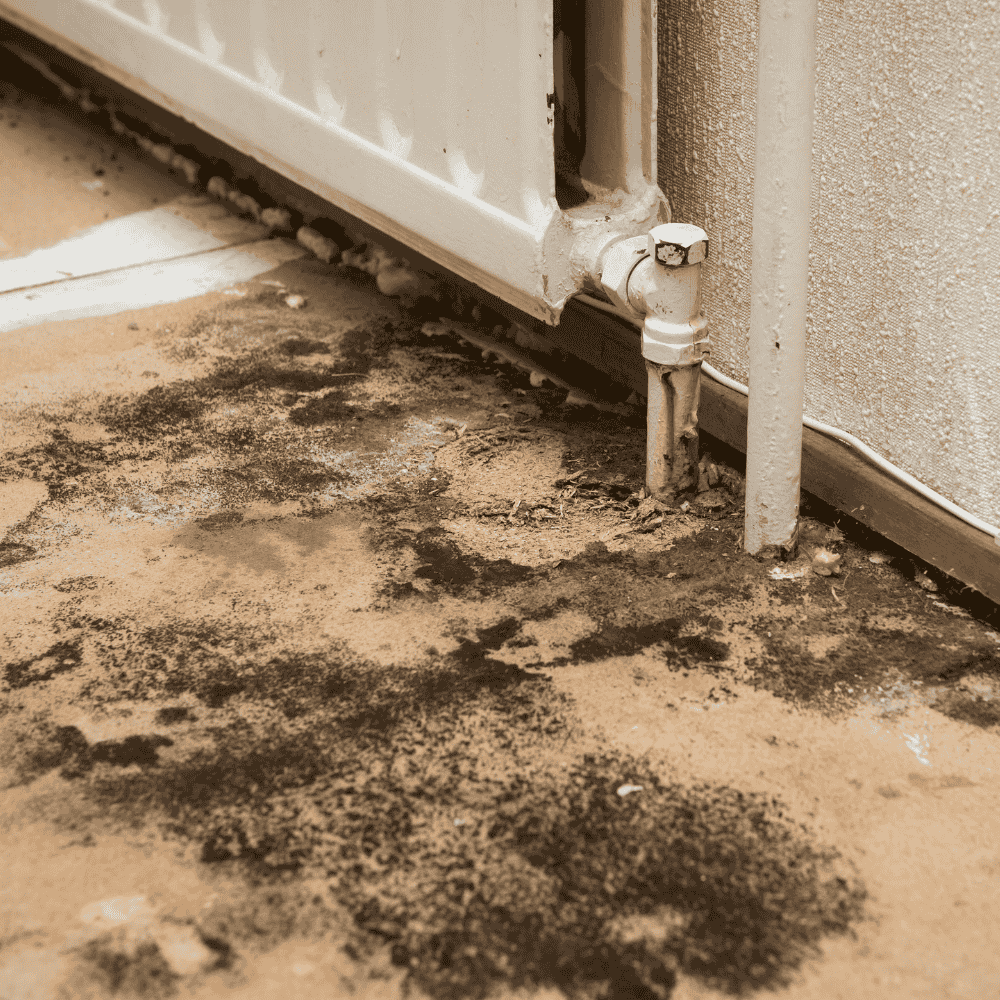
Despite the dry desert heat, Goodyear homes often face hidden mold issues due to trapped indoor humidity and monsoon moisture.
Why Mold Is a Hidden Problem in Goodyear Homes
Many homeowners in Goodyear, AZ, assume that living in a dry, desert climate protects them from mold—but that’s a misconception that can be costly. Modern homes are built to be energy-efficient, with tight envelopes, air conditioning, and insulation that often traps moisture indoors. Even in scorching heat, hidden mold can grow behind walls, under flooring, or in attics, unnoticed until it becomes a serious problem. Seasonal monsoons, irrigation systems, and everyday indoor humidity also create the perfect conditions for mold growth.
From aging pipes to poorly ventilated energy-efficient builds, every Goodyear home has its unique vulnerabilities. The purpose of this guide is to provide practical, localized knowledge so homeowners can recognize, prevent, and address mold before it affects health or property value.
Common Myths About Mold in Arizona
Despite the desert climate, mold is still a concern. Some homeowners believe it’s “too dry here for mold,” that “only old or dirty homes get mold,” or that “bleach always solves the problem.” These assumptions are misleading. A slow AC condensate leak, a minor roof leak after monsoon rains, or condensation on windows can create hidden pockets of moisture.
Outdoor humidity is less important than indoor conditions. Mold grows when it finds damp surfaces inside your home. Seeing mold as a routine maintenance issue rather than a rare threat is key. Quick attention is far more important than blame or fear.
Understanding Mold and How It Grows
Mold is a type of fungus that reproduces through spores present almost everywhere. These spores are usually harmless until they land on damp materials and begin to grow. Mold needs four things to thrive: moisture, organic material, the right temperature, and time. In Goodyear homes, this can appear as condensation on windows, slow leaks under sinks, or cardboard boxes in humid garages. Some mold can start within 24–48 hours after water exposure, so prompt action is critical.
Common indoor molds include Cladosporium, Penicillium, Aspergillus, and Stachybotrys. Color alone doesn’t reliably indicate species, and from a homeowner’s perspective, the concern is the extent of growth and moisture source rather than precise identification. Unlike outdoor mold, indoor mold concentrates in enclosed spaces, continuously releasing spores and fragments. It spreads through the air, HVAC systems, and even on pets or clothing, so controlling moisture is essential to keep it contained.
Local Factors Contributing to Mold in Goodyear
Arizona’s monsoon season can bring sudden humidity spikes, heavy rain, and wind-driven water intrusion, often through roof tiles, window seals, or stucco cracks. Even brief exposure can create long-term mold risks if not addressed quickly. Air conditioning systems and evaporative coolers also contribute, with clogged condensate lines, overflow pans, or damp ducts creating hidden pockets of moisture. Exterior factors, such as sprinklers running too close to the home or poorly graded landscapes, can allow water to seep into foundations or walls.
Construction materials in Goodyear—stucco exteriors, tile roofs, slab foundations, drywall, and insulation—interact differently with moisture. Older homes may have aging plumbing or roof vulnerabilities, while newer builds often trap humidity due to energy-efficient designs. Knowing your home’s age and style helps target inspections and preventive measures effectively.
Early Warning Signs in Goodyear Homes
Visual cues are the first indicators: discoloration on walls, ceilings, or baseboards; bubbling or peeling paint; or soft drywall. Musty odors—often strongest in closets, under sinks, or behind appliances—can signal hidden mold. Moisture-prone areas such as bathrooms, kitchens, and laundry rooms are early hotspots. Check under sinks, around tubs, behind refrigerators, and near washing machines. Hidden areas like attics, crawl spaces, or wall cavities may reveal mold only after odors, staining, or warped surfaces appear.
Simple tools like hygrometers and moisture meters help monitor indoor humidity (ideally 30–50%) and detect damp surfaces early. Regular inspections in high-risk spots—windows, plumbing areas, laundry rooms, and garages—can prevent small problems from escalating.
Preventing Mold: Everyday Habits That Work
Even in a desert climate, controlling indoor humidity is crucial. Use bathroom fans, range hoods, and dryer vents to remove moisture, and consider dehumidifiers during the monsoon season. Address leaks immediately, whether from plumbing, appliances, or roof penetrations. Ventilate wisely, running fans during showers or cooking, and ensuring air circulates through the home. Regular cleaning of moisture-prone areas, removing damp towels or rugs, and reducing clutter discourages mold growth.
Simple routines—wiping up spills, monitoring humid spots, and checking for leaks—can drastically reduce the risk of mold. Small, consistent habits are more effective than occasional deep cleanings after a problem arises.
Responding to Mold Problems
If you discover mold, stay calm and assess the situation. Take note of affected areas, materials involved, and any water sources. For small areas (less than 10 square feet) on hard, non-porous surfaces, homeowners can often safely clean with gloves, eye protection, and an N95 respirator. Address the moisture source first, as cleaning alone won’t prevent regrowth.
Warning signs of a larger problem include widespread mold, strong odors, recurring spots, or water damage affecting walls, ceilings, or floors. Large or hidden infestations should be handled by professional mold remediation specialists, who use containment, filtration, and proper removal techniques. Documenting all observations, repairs, and professional actions supports insurance claims, future home sales, and responsible homeownership.
Mold and Your Home’s Structure
Prolonged moisture and mold weaken building materials over time. Drywall softens, wood warps or rots, and insulation loses effectiveness. Carpets and padding can trap moisture, while subfloors may deteriorate, leading to odor, uneven surfaces, or costly replacement. Attics and roofs are particularly vulnerable; poor ventilation or chronic leaks can compromise structural integrity. Mold also reduces insulation efficiency, increasing energy bills and decreasing comfort. Addressing issues promptly protects both your home’s structure and long-term energy efficiency.
Proper remediation and moisture management also safeguard resale value. Homes with unresolved or hidden mold raise concerns during inspections and can reduce offers. Early detection, repair, and documentation help preserve both market value and homeowner confidence.
Insurance, Legal, and Professional Considerations
Homeowners' insurance coverage for mold varies by policy. Suddenly, covered water events like burst pipes may be included, while long-term neglect typically is not. Review policies carefully and document all incidents, repairs, and communications with insurers. For landlords and tenants in Goodyear, prompt reporting and maintenance are essential, along with clear documentation. Sellers must disclose known mold or water damage to prospective buyers. When disputes, claims, or health issues arise, consulting legal or specialized professionals may be necessary.
Working with local experts—roofers, plumbers, HVAC technicians, and mold remediation companies—ensures faster, safer, and more effective solutions. Establish trusted contacts before emergencies occur and use warranties or service plans to address mechanical failures promptly, reducing mold risk.
Seasonal and Year-Round Mold Prevention
Preventive maintenance is the best defense. Before monsoon season, inspect roofs, gutters, window seals, and landscape grading. During storms, monitor for leaks, damp spots, and pooled water, responding within 24–48 hours. After floods, thoroughly dry affected areas, remove soaked materials, and inspect for new damage. In extreme summer heat, maintain HVAC systems with clean coils, functional condensate lines, and proper ductwork.
Year-round, keep up habits like using exhaust fans, wiping spills immediately, checking plumbing connections, and monitoring humidity. Routine inspections, combined with seasonal prep and professional support, provide the strongest defense against mold in Goodyear homes.
Conclusion: Keeping Your Goodyear Home Mold-Resilient
Even in a desert climate, mold can become a serious indoor problem. Awareness of early warning signs, moisture-prone areas, and local risk factors empowers homeowners to prevent or address mold effectively. Proactive habits, seasonal checklists, and collaboration with local professionals protect both family health and property value. Mold prevention isn’t a one-time project—it’s part of responsible, ongoing homeownership in Goodyear. With knowledge, vigilance, and the right support, your home can stay dry, healthy, and resilient against mold for years to come.
FAQs
Yes. Despite the arid outdoor environment, mold can still become a serious issue in Goodyear, AZ homes and buildings. Indoor moisture from plumbing leaks, roof damage, poor ventilation, or everyday activities like cooking and showering can create damp, enclosed spaces where mold thrives. Monsoon season also plays a role, bringing sudden humidity spikes and water intrusion that may not dry properly.
Large or widespread mold, strong musty odors, hidden moisture, past flooding, or health symptoms linked to the home indicate professional help is warranted. When in doubt—especially with vulnerable household members—call a professional.
Coverage varies. Mold from sudden, covered water events may be included, while long-term neglect usually is not. Review your policy and consult your agent for specifics.
Control indoor humidity, fix leaks promptly, use exhaust fans in bathrooms and kitchens, maintain roofs and HVAC systems, and inspect high-risk areas regularly. Consistent small actions are more effective than occasional large cleanups.
