
When to Choose Carpet Repair Instead of Full Replacement
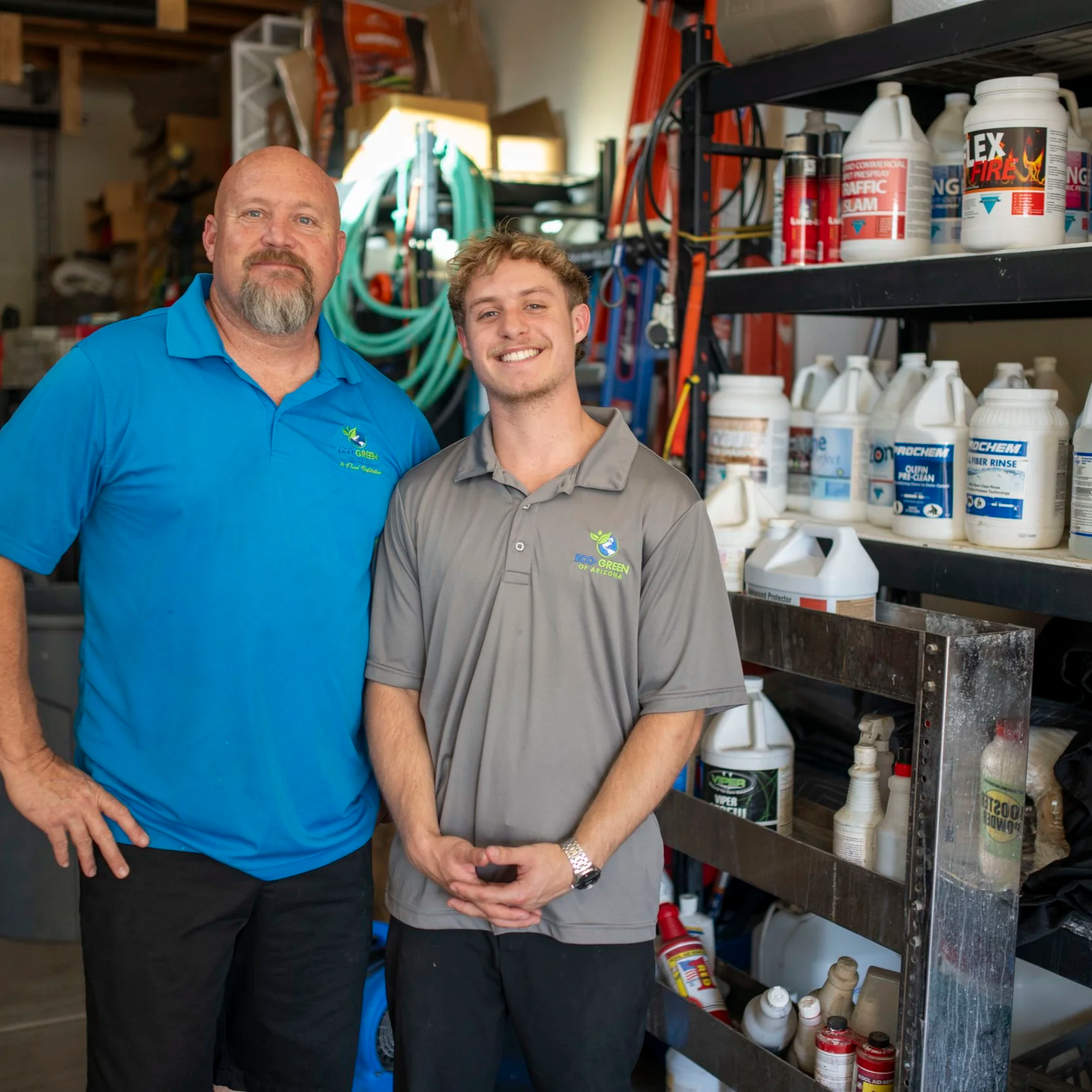
Professionals in carpet cleaning & repair can fix specific issues without the drama of a full-on renovation.
Walking into a room and spotting a frayed corner or mysterious patch of missing carpet can feel like catching your sock on a rogue nail. Annoying, yes. Worth tearing up the whole room? Not necessarily. Carpet repair often swoops in like a superhero just before the sledgehammer starts swinging.
Professionals in carpet cleaning & repair can fix specific issues without the drama of a full-on renovation. Think of it as personalized attention rather than a blanket overhaul. The carpet may be crying for help, but it doesn’t always want a complete makeover.
Assessing the Scale of the Problem
Not all carpet damage is created equal. Some issues are limited to one or two areas, like a singed patch from a dropped curling iron or a scratchy section after a pet tantrum. Others involve large-scale staining, wear across entire rooms, or moisture damage that’s spread deep into the padding.
When the damage stays in its lane, repair makes perfect sense. Professionals can patch, re-seam, or re-stretch the affected area and blend it with the surrounding carpet. The result? A refreshed surface without the expense of a total replacement.
Age Doesn’t Always Mean Expiration
Carpets, like a favorite sweater, can still be in good shape even after years of service. If the pile feels plush, the backing holds firm, and the wear is mostly in expected spots, repair is usually worth the time.
Many homeowners assume old carpet automatically belongs in the trash, but that’s not always true. Sometimes, a deep carpet cleaning and minor repairs breathe years of life back into it. Professional carpet cleaning and repair services evaluate the condition objectively and recommend practical solutions based on actual wear rather than age alone.
Cost Considerations That Tip the Scale
Replacement isn’t just about the square footage. It involves removing old material, hauling it away, buying new carpet and padding, and then paying for labor. Depending on the size of the room, this can balloon into a significant expense.
On the other hand, a targeted repair is significantly more affordable. A single patch job or re-stretching service takes less time, requires fewer materials, and doesn’t leave you camping in the dining room for three days while installers work their magic.
If the damage is minor and the rest of the carpet looks presentable, the smarter move is repair. Budget-conscious homeowners often find that a little maintenance goes a long way.
When Matching Isn’t an Issue
One of the main concerns with carpet repair is blending. If you’ve got extra remnants left over from the original installation, matching becomes a breeze. Even without those, professionals have tricks up their sleeves. They may pull a section from a closet or low-traffic zone and swap it with the damaged area.
The carpet ends up looking seamless, and no one will ever know that your hall closet made a quiet sacrifice. With the right tools and techniques, matching doesn’t have to hold you back from choosing repair.
Structural Integrity Still Holds Strong
Carpet is a layered system. The top layer gets the attention, but the real question lies underneath. If the padding and backing are still solid and the adhesive isn’t crumbling, repair can work beautifully.
On the other hand, if walking across your carpet feels like stepping on a sponge or if the edges crackle underfoot, replacement may be in order. Professionals in carpet cleaning and repair can quickly test structural stability and tell whether the foundation is salvageable.
Stains That Refuse to Leave
Some stains come quietly and leave without protest. Others dig in like a houseguest who overstays their welcome. Pet accidents, red wine, ink, and grease can seep deep into the fibers and padding. If deep cleaning doesn’t make a dent and color correction won’t cut it, patch repair is the next step.
As long as the stain is isolated and the rest of the carpet holds up well, there’s no reason to start from scratch. Professionals can remove the stained section and replace it with a matching piece, leaving your floor looking brand new where it counts.
Wrinkles, Bubbles, and Ripples
Time, humidity, and heavy traffic can stretch your carpet in directions it wasn’t designed to go. Suddenly, a smooth floor develops waves like a bad bedsheet. It’s not just an eyesore; those ripples are trip hazards and signal the need for re-stretching.
Carpet re-stretching is one of the most common repair services and works wonders when the carpet itself is still in good shape. Professionals use power stretchers to realign and secure the material back into place, eliminating lumps and bringing the room back to a clean, flat surface.
Pet Damage That Stays Local
Fluffy might be your favorite roommate, but her claws don’t always agree with your flooring. Pets often damage small, specific zones, right outside the bedroom door, around furniture corners, or near windows. As frustrating as it is, most of these cases don’t call for full replacement.
Professionals can patch torn sections, trim frayed fibers, and seal transitions to prevent further issues. If the damage doesn’t spread and your carpet still has life elsewhere, repair is absolutely worth it.
Carpet Cleaning as Part of the Repair Plan
Sometimes damage and dirt go hand in hand. Stains, odors, and dingy walkways may convince you the carpet is past its prime. But before writing it off, consider what a proper professional cleaning might accomplish.
Hot water extraction, deodorizing treatments, and fiber grooming often restore beauty in places that once looked hopeless. Carpet cleaning and repair pros often begin with a deep cleaning to see what can be salvaged. After that, it’s easier to determine whether patches, re-stretching, or other fixes will round out the job.
Seam Separation and Edge Issues
Seams can fail over time. The result is a visible line where carpet sections pull apart or lift slightly. This doesn’t mean your carpet has betrayed you forever; it just needs some professional attention.
Seam repairs involve re-gluing or re-taping the backing and pressing the sections back together with specialized tools. When done correctly, the repair is invisible and long-lasting. Similarly, fraying edges or unraveling transitions at doorways are easy to repair with binding or trimming. There’s no need to rip out everything for such targeted problems.
When Replacement Is the Better Option
Not every situation favors repair. Large-scale water damage, widespread mold, pervasive odors, or severe wear across most rooms often indicate a need for full replacement. If the carpet feels crunchy, smells permanently funky, or looks more patch than plush, it may be time to move on.
Professionals don’t push either way. Their job is to provide an honest evaluation and a clear comparison. If the cost and effort of repair start creeping too close to the price of replacement, the better value usually lies in new material.
Sustainability in Choosing Repair
Choosing repair over replacement doesn’t just help your wallet; it supports the environment. Carpet is a large contributor to landfill waste, and repairing even one room’s worth of material keeps hundreds of pounds out of the dump.
Extending the life of your carpet with targeted fixes, patching, and cleaning reduces your carbon footprint and makes your home more sustainable. Repairing is often the greener choice, primarily when the overall condition still supports it.
The Professional Touch That Makes It Work
DIY carpet repair rarely produces clean, consistent results. Carpet cleaning and repair professionals bring more than elbow grease; they bring precision tools, years of experience, and access to industry-grade materials. Their work not only fixes the problem but preserves the look and feel of your space.
Whether it’s a stubborn wrinkle, a mystery stain, or the aftermath of pet mischief, the repair route often brings satisfaction without the stress of starting over. It just takes a little know-how, a skilled hand, and a commitment to giving your floor one more chance to shine.