
Can Water Damage Cause Electrical Issues? Warning Signs and Safety Tips
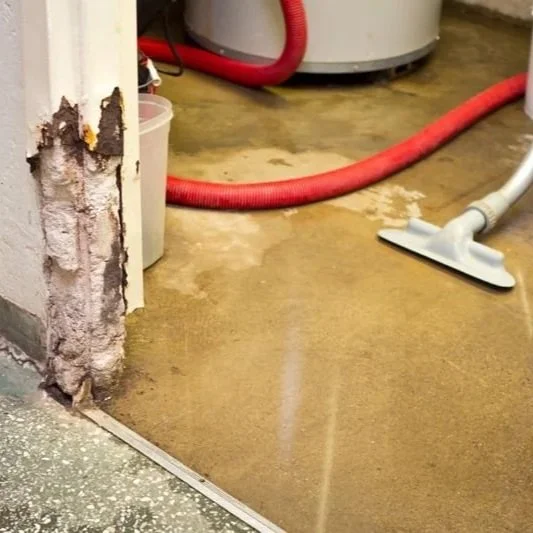
A proper restoration plan includes inspection of all affected electrical components, even if the damage does not appear severe at first glance.
Water and electricity are not friends. When water intrudes on your electrical system, the result can be shocking in more ways than one. Homeowners often focus on soggy drywall or warped floorboards during a flood, but hidden behind those walls are wires, junction boxes, and circuits that may be quietly soaking up trouble.
In many homes, electrical lines run through attics, crawl spaces, basements, and behind every wall. Water from leaks, floods, or storm damage can travel fast and far, leaving corrosion, shorts, or complete circuit failure in its wake. Even a relatively minor leak can pose a significant hazard if it reaches an outlet, light fixture, or breaker panel.
Water damage restoration professionals often encounter compromised wiring long after the puddles have dried. Just because the lights come back on does not mean the system is safe. A proper restoration plan includes inspection of all affected electrical components, even if the damage does not appear severe at first glance.
Familiar Sources Of Water-Related Electrical Trouble
It does not take a full-on flood to disrupt a home’s electrical system. Burst pipes in the ceiling, leaks from an upstairs bathroom, or even a poorly sealed window can allow water to drip onto wiring over time. HVAC units, dishwashers, and washing machines are common culprits when it comes to internal leaks that reach electrical components.
Storm damage is another major offender. Heavy rain combined with wind can drive water into the attic or through weak points in the roof. Once inside, water may seep through insulation and reach light fixtures or fans mounted in the ceiling. In older homes, where insulation and wiring may already be fragile, the risk goes up.
Professionals handling water damage restoration routinely check for electrical system exposure in all these scenarios. If corrosion or arcing has already begun, repairs may involve replacing not just wires, but also damaged outlets, fixtures, or even sections of the main panel.
Early Warning Signs To Watch For
Electrical issues caused by water exposure do not always announce themselves with sparks and smoke. More often, they show up as minor annoyances that gradually escalate. Flickering lights, intermittent power loss, or tripped breakers may be the first clues that water has found its way into your wiring.
Buzzing sounds near outlets or light switches are another red flag. So is a faint burning smell, which might indicate melting insulation or short circuits. If you see rust on outlet covers, around light switch plates, or inside the breaker box, water has definitely made contact.
In some cases, a puddle near an appliance or wet ceiling tile may seem unrelated to power problems, but moisture loves to travel. By the time a homeowner notices, the water may have moved through the walls and reached a junction box or hidden wire splice.
Professional restoration teams are trained to recognize these symptoms early and respond before the situation becomes dangerous. Thermal imaging, moisture meters, and electrical testing help locate hidden moisture and prevent minor problems from turning into serious risks.
Why Electrical Damage Can Be Delayed
Water is sneaky. It can enter a junction box or conduit and sit undetected for weeks. When wires corrode, it does not always happen instantly. You might flip the switch, the light turns on, and everything feels normal. Then, days or weeks later, the connection fails, or worse, sparks ignite surrounding materials.
Delayed corrosion is one of the most dangerous aspects of water-related electrical issues. Even after visible damage is repaired, homes need follow-up inspections to confirm that all electrical components are stable. Restoration professionals often recommend monitoring circuits over time, particularly in high-risk areas such as basements, kitchens, and laundry rooms.
Mold also complicates the picture. When moisture seeps into walls, it can fuel mold growth around electrical boxes and wiring. Mold may degrade insulation, creating hot spots or live wires in unexpected places. A professional restoration plan should always include both water damage control and mold mitigation in electrical zones.
Why DIY Cleanup Can Backfire
It is tempting to mop up a leak, run a fan, and call it a day. But without a full inspection, electrical risks can linger behind the scenes. Just because an outlet still works does not mean it is safe to use. Using appliances or light fixtures in water-damaged areas puts people and property at risk.
Water damage restoration teams work with licensed electricians to identify hazards and repair issues correctly. They understand how water affects each type of wiring, from modern copper cables to older aluminum or cloth-wrapped conductors. They also know when a full panel inspection is needed and when it is safe to re-energize a circuit.
DIY efforts might dry out the surface, but they rarely uncover hidden damage. Professional services offer more than cleanup; they provide comfort that the home’s electrical system is not a ticking time bomb.
Safe Recovery After Water Exposure
When water damage occurs, one of the first steps is shutting off the power to the affected area. Restoration professionals typically coordinate with electricians to isolate circuits and prevent further exposure. Once it is safe, the team begins the drying process, using air movers, dehumidifiers, and moisture detection tools.
Any damaged wiring is flagged for repair or replacement. Outlets or switches that show signs of water contact are removed, tested, or replaced entirely. Light fixtures that contain water must be dismantled and inspected, even if they seem to work afterward.
In some cases, the main service panel may need to be opened and examined. If water has reached the breakers or bus bars, a complete replacement might be necessary. Restoration crews document these findings for insurance purposes, helping homeowners receive compensation for the full scope of the damage.
Professionals also test the home’s electrical load to confirm that systems are operating within safe parameters. Surges or tripped breakers during the drying phase may indicate underlying issues that need attention before final repairs can begin.
Preventing Future Electrical Hazards
Once the immediate crisis is over, homeowners often ask how to prevent a repeat performance. Restoration professionals offer practical advice based on what they have seen. Adding water alarms near appliances or sump pumps, sealing windows and roofs properly, and checking the attic after heavy rain are good habits.
Electrical safety upgrades also help. Installing ground fault circuit interrupters (GFCIs) in vulnerable areas like bathrooms, kitchens, and basements adds a layer of protection. Regular inspections of older electrical systems help catch corrosion before it becomes a danger.
Water damage restoration experts may also recommend relocating sensitive components if a home is prone to flooding. Moving the main panel higher on the wall, sealing wiring conduits, or adding surge protection can all reduce long-term risk.
The most effective prevention strategies often stem from experience. Professionals know where moisture is most likely to sneak in and how it interacts with electrical systems. Their job is not just to repair damage, but to help homeowners avoid future surprises.
How Insurance Plays Into Electrical Damage
Insurance policies often cover electrical repairs if the damage results from a covered water event, such as a burst pipe or appliance failure. However, if the problem is caused by poor maintenance, gradual leaks, or flooding from outside, coverage may be limited or denied.
Restoration professionals help document the cause of the water damage and identify affected electrical components. They provide detailed reports and photos to support insurance claims, making it simpler for homeowners to receive full compensation.
If the electrical system needs extensive repair or full replacement, the cost can be significant. That is why early documentation, paired with expert restoration services, makes a big difference. Insurance adjusters are more apt to approve claims when they see evidence from trained professionals who understand both water and electricity.
Working With The Right Team Matters
Dealing with water damage is never fun, but working with professionals can make all the difference. A restoration team that understands the relationship between water and wiring will prioritize safety, then create a clear plan for a full recovery.
From identifying hidden corrosion to coordinating with electricians, the goal is to restore safety and function without compromising quality. Homeowners should not have to worry about whether their wiring is safe behind freshly painted walls. Professionals ensure that every wire, switch, and outlet is ready for use safely.
When water finds its way into the electrical system, the risks are real. But with a sharp team on your side, recovery does not have to feel like a gamble. It becomes a well-managed process, grounded in expertise and powered by the kind of attention that keeps homes safe long after the cleanup crew rolls out.