
Removing Deep Stains and Allergens with Professional Carpet Cleaning Services
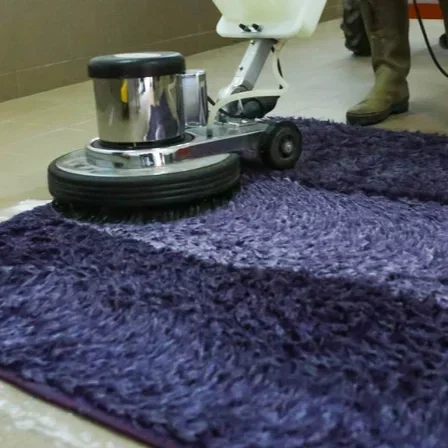
Professional carpet cleaning services utilize specialized equipment, techniques, and solutions to remove stubborn stains and harmful allergens.
Carpets serve as the foundation of comfortable, attractive interior spaces in both residential and commercial environments. However, carpeted floors also function as significant reservoirs for stains, allergens, bacteria, and contaminants that accumulate over time. Regular vacuuming addresses surface-level debris but fails to extract deeply embedded materials that affect carpet appearance, longevity, and indoor air quality. Professional carpet cleaning services utilize specialized equipment, techniques, and solutions to remove stubborn stains and harmful allergens, restoring carpets to optimal condition while creating healthier living and working environments.
The Science Behind Stubborn Carpet Stains
Understanding why certain stains resist conventional cleaning methods helps explain the necessity of professional treatment:
Molecular Bonding: Many staining substances create chemical bonds with carpet fibers, becoming part of the fiber structure rather than simply residing on the surface.
Dye Transfer: Colored substances containing chromophores can permanently alter carpet coloration through dye transfer, particularly with natural fibers.
Heat Setting: When stains experience heat—from sunlight, foot traffic, or improper spot cleaning attempts—molecular changes occur that make removal significantly more challenging.
Oxidation: Some stains, particularly those from organic sources, undergo oxidation processes that create permanent color changes when exposed to oxygen over time.
pH Factors: Highly acidic or alkaline substances can damage carpet fiber structures, creating permanent discoloration beyond simple staining.
Penetration Depth: Liquid stains can penetrate beyond carpet fibers into backing materials and underpad, creating reservoirs that continuously wick back to the surface during conventional cleaning.
Common Stubborn Stains Requiring Professional Treatment
Several stain types present particular challenges for conventional cleaning approaches:
Red Wine and Fruit Juices: Contain natural dyes and tannins that quickly bond with carpet fibers, especially in wool and nylon carpeting.
Pet Accidents: Beyond visible stains, urine penetrates deeply into carpet padding, creating persistent odors and attracting bacteria while potentially damaging fiber backing through alkaline degradation.
Coffee and Tea: Contain tannins that bond strongly with carpet fibers while creating stubborn discoloration that worsens with oxidation over time.
Oil-Based Stains: Cooking oils, cosmetics, and automotive fluids create hydrophobic barriers that repel water-based cleaning attempts while attracting additional soiling.
Blood and Protein Stains: Coagulate and bond with fibers, becoming increasingly complex to remove as they oxidize and set within carpet structures.
Unknown Combination Stains: Many real-world carpet stains involve multiple substances that require specialized identification and targeted treatment protocols beyond the capabilities of consumers.
Allergens and Contaminants in Carpeting
Beyond visible staining, carpets harbor microscopic materials with potential health implications:
Dust Mite Allergens: A single square yard of carpet can harbor approximately 100,000 dust mites, producing allergenic particles small enough to become airborne during regular activity.
Pet Dander: Animal skin cells persist in carpet fibers for months, triggering allergic reactions in sensitive individuals long after visible pet hair has been removed.
Pollen Compounds: Outdoor pollen tracked inside becomes trapped in carpet fibers, creating year-round exposure to seasonal allergens.
Mold Spores: Carpets exposed to humidity or minor water intrusion can develop mold colonies deep within fibers and backing, releasing respiratory irritants.
Bacterial Contamination: Studies indicate carpets typically contain about 200,000 bacteria per square inch—far exceeding the bacterial count on most bathroom surfaces.
Particulate Matter: Fine particles from outdoor pollution, cooking, and other sources accumulate in carpet fibers, potentially contributing to respiratory issues when disturbed.
Professional Carpet Cleaning Technologies
Advanced cleaning methods employed by professionals deliver superior results:
Hot Water Extraction: Often called steam cleaning, although it actually uses hot water rather than steam, this method injects heated cleaning solution into the carpet fibers under pressure, then immediately extracts it along with dissolved contaminants. The combination of heat, chemical action, and powerful extraction removes deeply embedded materials beyond the reach of conventional methods.
Encapsulation Cleaning: Specialized polymeric cleaners surround soil particles with crystalline structures that isolate contaminants, prevent resoiling, and facilitate removal through standard vacuuming. Particularly effective for maintenance cleaning in commercial environments.
Dry Compound Cleaning: Pre-moistened absorbent compounds containing detergents and solvents break down stubborn stains while binding with soil particles, then remove them through mechanical agitation and thorough vacuuming.
Bonnet Cleaning: Rotating absorbent pads, combined with specialized cleaning solutions, provide effective surface cleaning for lightly soiled carpets, although without the deep extraction capabilities of other methods.
Carbonation Cleaning: Millions of microscopic carbonated bubbles penetrate carpet fibers, breaking apart soil particles and lifting them to the surface for extraction without excessive moisture.
Two-Phase Protectant Application: After thorough cleaning, professional-grade protectants create molecular shields around carpet fibers, preventing future staining by blocking dye transfer and repelling liquids before they can penetrate.
The Professional Stain Removal Process
Expert carpet cleaners follow systematic procedures for optimal results:
Stain Assessment: Proper identification of stain type through visual inspection and pH testing determines the appropriate treatment protocol.
Pre-Treatment: Application of specialized pre-conditioners based on specific stain composition breaks down stubborn materials and prepares them for extraction.
Dwell Time: Allowing appropriate time for cleaning agents to penetrate stains and break molecular bonds without excessive moisture exposure that could damage the backing.
Temperature Control: Utilizing precise heat levels that enhance cleaning efficacy without setting stains or damaging delicate fibers.
Agitation: Controlled mechanical action works cleaning agents into carpet fibers without causing texture damage or fiber distortion.
Multiple-Pass Extraction: Professional equipment with powerful vacuum systems makes several passes over treated areas, removing maximum contamination without over-wetting.
Neutralization: Application of pH-balancing rinses prevents residue buildup and fiber damage while creating conditions inhospitable to future bacterial growth.
Targeted Spot Treatments: Specialized solutions for particularly stubborn stains based on specific chemical composition rather than one-size-fits-all approaches.
Health Benefits of Professional Carpet Cleaning
Regular professional cleaning delivers significant health advantages:
Allergen Reduction: Studies demonstrate that professional hot water extraction eliminates up to 98% of common allergens from carpeting, providing significant relief for allergy sufferers.
Dust Mite Elimination: The combination of high temperature and powerful extraction reduces dust mite populations by approximately 78% compared to regular vacuuming alone.
Bacterial Reduction: Professional cleaning processes decrease bacterial loads by up to 89%, creating healthier indoor environments.
Mold Prevention: Thorough extraction and accelerated drying techniques prevent moisture accumulation that contributes to mold development.
Respiratory Improvement: Research indicates occupants often experience reduced respiratory symptoms following professional carpet cleaning, particularly in environments with previous air quality issues.
VOC Reduction: Professional cleaning removes accumulated volatile organic compounds trapped in carpet fibers that gradually release into indoor air.
Particulate Removal: Deep extraction significantly reduces fine particulate matter embedded in carpeting that becomes airborne during daily activities.
Selecting Professional Carpet Cleaning Services
Quality carpet cleaning providers demonstrate several distinguishing characteristics:
Certification: Technicians should hold certification from recognized organizations such as the Institute of Inspection, Cleaning, and Restoration Certification (IICRC).
Specialized Equipment: Commercial-grade machines with superior heat, pressure, and extraction capabilities deliver more thorough cleaning than consumer-level alternatives.
Pre-Inspection Protocols: Professional services conduct thorough examinations of carpet type, construction, stains, and special concerns before beginning work.
Testing Procedures: Quality providers perform inconspicuous spot testing to verify colorfastness and appropriate chemical compatibility before full application.
Multiple Cleaning Options: Reputable companies offer various cleaning methods tailored to specific carpet types, conditions, and soiling levels, rather than a single approach for all situations.
Professional carpet cleaning represents an essential component of comprehensive property maintenance, with benefits extending far beyond appearance. Through specialized equipment, techniques, and expertise, professional carpet cleaning services effectively remove stubborn stains, extract harmful allergens, and eliminate bacterial contamination that conventional methods cannot address. The resulting improvement in both carpet condition and indoor environmental quality provides property owners with extended floor covering lifespan, enhanced aesthetic appeal, and healthier living and working spaces free from the accumulated contaminants that affect comfort and wellbeing.