
Differences in Grout Cleaning for Bathroom vs Kitchen in Goodyear, AZ
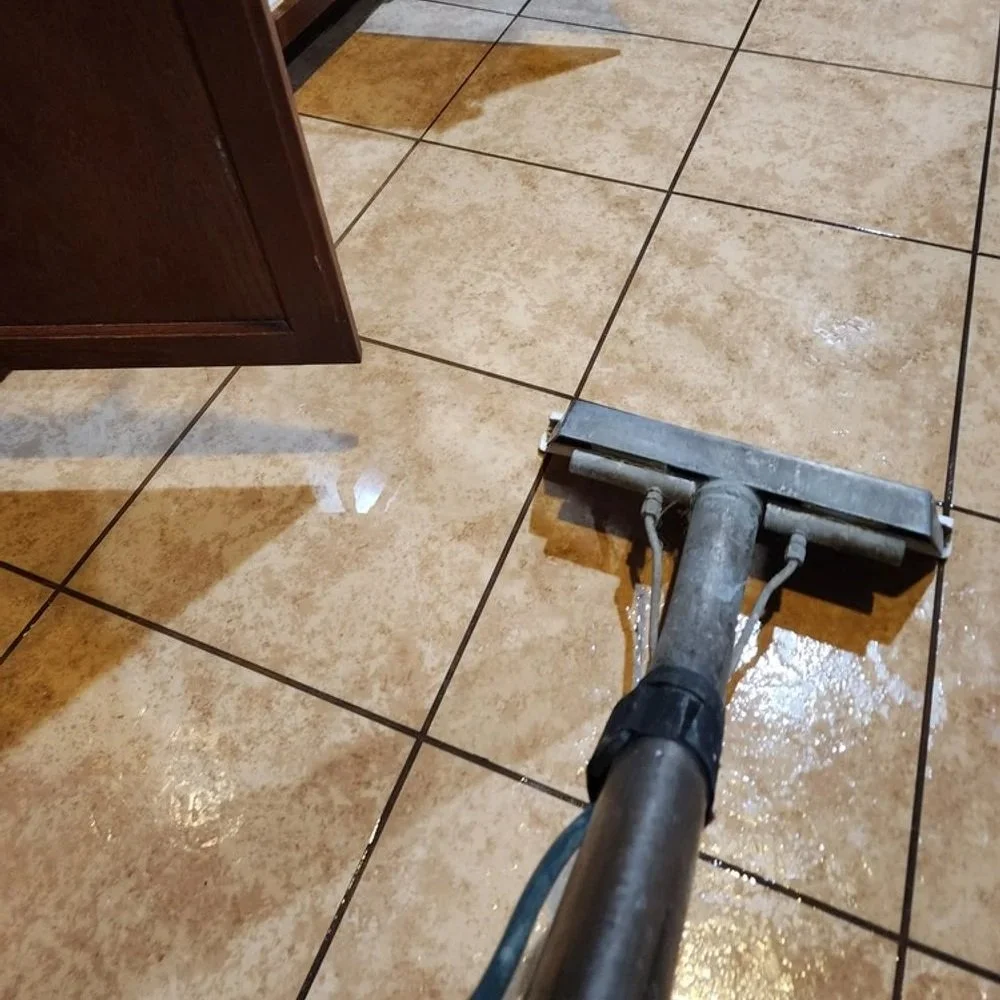
Goodyear’s hard water affects bathrooms, while kitchen grout requires degreasing; both benefit from specialized local professional cleaning treatments.
Why Bathroom vs Kitchen Grout Cleaning Matters in Goodyear, AZ
Tile and grout are staples in many Goodyear, AZ homes. Their durability and adaptability make them ideal for both bathrooms and kitchens, where surfaces endure heavy use. But while tiles may appear similar from room to room, the grout between them tells a different story. Porous by nature, grout traps dirt, moisture, and contaminants, creating potential hygiene and maintenance concerns.
Goodyear’s warm, dry climate, combined with indoor humidity from showers and cooking, introduces unique challenges for grout care. Understanding the differences between bathroom and kitchen grout helps homeowners choose the right cleaning methods, products, and schedules, protecting both health and home value. This article compares the conditions, cleaning strategies, and professional solutions for each space, offering practical guidance for local homeowners.
Understanding Grout: Composition, Types, and Vulnerabilities
Grout is typically made from cement, sand, and water, with modern variations like epoxy or urethane grouts offering extra durability. Cementitious grout, the most common type, is porous and prone to absorbing moisture, oils, and dirt. This porosity makes it vulnerable to staining and mold growth, regardless of whether it’s in a bathroom or kitchen.
In Goodyear homes, sanded grout is often used on wider floor joints, while unsanded grout is common for narrow wall joints, like shower walls. Epoxy grout appears occasionally in high-moisture areas or heavily used kitchen surfaces. Each type responds differently to cleaning agents: sanded grout can trap fine dust and debris, while unsanded grout may etch more easily under strong cleaners. Understanding these properties ensures homeowners select safe, effective products.
Grout discoloration stems from several sources. Organic stains—like food spills, body oils, and soap scum—differ from inorganic stains, such as calcium deposits from hard water. Goodyear’s mineral-rich water often leaves whitish buildup in showers or near kitchen sinks. Sealers reduce porosity and help prevent staining, but they’re not permanent. Frequent use, high moisture, and abrasive cleaners can wear sealers down, highlighting the importance of combining sealing with proper cleaning routines.
Bathroom Grout: Unique Challenges in Goodyear, AZ
Bathrooms are high-moisture spaces. Even in Goodyear’s dry climate, showers, baths, and hot water create persistent humidity that exposes grout to repeated wetting. Poor ventilation can worsen moisture retention, increasing the risk of mold, mildew, and grout deterioration.
Soap scum from shampoos, conditioners, and body washes mixes with oils and skin cells, leaving a sticky residue on tiles and grout. This buildup often resists multi-purpose cleaners, requiring specialized bathroom products with surfactants or mild acids to break down mineral deposits and organic matter.
Mold and mildew are a primary concern. Dark patches on grout lines, especially in corners or near tubs, indicate microbial growth that can affect respiratory health. Regular cleaning, proper ventilation, and professional mold remediation when necessary are crucial. Hard water adds another layer of complexity, leaving calcium and lime deposits that trap soap scum and dull grout surfaces. Bathroom floor grout near tubs, showers, and toilets also faces wear from standing water, increasing slip hazards, and the need for routine inspections and repairs.
Kitchen Grout: Grease, Food, and Traffic Challenges
Kitchen grout battles a different set of contaminants. Cooking releases airborne grease and oil that settle on grout, especially near stoves and countertops. Ordinary cleaners may smear these residues, so degreasers and alkaline solutions are often necessary.
Food spills—including coffee, wine, sauces, and citrus—pose another challenge. Sugars and acids can etch or discolor unsealed grout if left untreated. High foot traffic on kitchen floors compounds the problem, grinding dirt and grease into grout lines, accelerating wear, and making stains more stubborn. Backsplashes and countertop grout face vertical challenges: grease splatters, steam, and spills can accumulate near appliances, requiring small brushes and careful cleaning to avoid damage.
Kitchen grout also affects hygiene. Trapped food particles can foster bacteria and odors, particularly near sinks, trash bins, or dishwashers. Effective cleaning balances disinfection with grout protection, using products safe for food-prep areas while avoiding harsh chemicals that degrade grout or sealers.
Comparing Bathroom vs Kitchen Grout Soiling Patterns
The difference in contaminants is stark. Bathroom grout primarily contends with moisture, soap scum, oils, mold, and mineral deposits. Kitchen grout deals with grease, food residues, traffic-worn particles, and bacteria. These differences affect how deeply grime penetrates and how best to remove it.
Visual cues also vary: dark or blackened lines in showers signal mold; whitish scale shows hard water buildup; yellowed soap scum collects in corners. In kitchens, dark traffic paths, yellowed grout, or colorful stains indicate grease and food residue. Odors align with these issues: musty smells in bathrooms and food-related odors in kitchens. Recognizing these patterns helps homeowners select appropriate cleaning strategies, from mild DIY solutions to professional treatments.
Cleaning Products: Bathroom vs Kitchen Formulations
Bathroom cleaners often include surfactants, mild acids, or specialized agents targeting soap scum, mildew, and mineral buildup. Overusing bleach or harsh acids can weaken grout or damage sealers. Kitchen cleaners are alkaline, with degreasers designed to cut through oils and food residues. Some include antibacterial agents to maintain hygiene around food-prep surfaces.
pH matters: acidic cleaners remove minerals, while alkaline solutions handle grease. Misusing either can etch grout or harm tiles. Natural alternatives—baking soda, hydrogen peroxide, vinegar—can work for light stains but may be insufficient for heavy buildup. Product choice should also consider safety: bathroom cleaners need to be safe for skin and enclosed spaces; kitchen cleaners must avoid leaving residues near food.
Tools and Techniques: Scrubbing Bathroom vs Kitchen Grout
Proper tools are essential. Nylon brushes, old toothbrushes, or powered attachments help reach grout lines. Bathrooms often require targeted scrubbing in corners and vertical joints, while kitchens demand broader floor coverage. Matching brush stiffness to grout type prevents damage.
Dwell time—the period a cleaner sits on grout before scrubbing—is critical for both soap scum and grease. Thorough rinsing avoids slippery bathroom floors or residue in kitchens. Spot treatments handle isolated stains, while periodic full-area cleaning ensures uniformity. Steam cleaning can assist in loosening buildup, but it must be used cautiously to prevent driving moisture into cracked grout or harming sealers. Protecting surrounding tiles, fixtures, and countertops during cleaning prevents unintended damage.
Routine Cleaning Schedules: Bathroom vs Kitchen Grout
Daily bathroom habits like squeegeeing shower walls and wiping surfaces reduce moisture and prevent buildup. Weekly scrubbing tackles grout in high-use areas. Goodyear homeowners should adjust frequency based on household size, shower use, and seasonal humidity. Monthly or seasonal deep cleans focus on grout in showers, tubs, and floors, using specialized cleaners and possibly steam.
In kitchens, daily spill cleanup and wiping down backsplashes prevent stains from setting. Weekly mopping and grout scrubbing maintain floors and counter areas. Monthly deep cleans target traffic lanes and behind appliances, removing embedded grease and persistent stains. Adapting schedules to lifestyle, family size, and Goodyear’s desert climate ensures long-term grout health and reduces the need for aggressive cleaning.
Preventive Measures: Protecting Bathroom and Kitchen Grout
In bathrooms, ventilation is key. Use exhaust fans, open windows, and leave shower doors or curtains open to accelerate drying. Properly sized mats and cleanable shower liners prevent moisture pooling. Grout sealing every 1–2 years protects high-use areas. Color choices also influence perceived cleanliness, and early detection of cracks or persistent mold can prevent costly repairs.
In kitchens, limiting grease spread and prompt spill cleanup preserves grout. Protecting high-risk zones near sinks, dishwashers, and trash bins, along with using rugs or runners in traffic-heavy areas, extends grout life. Sealing kitchen grout helps resist food stains but may require more frequent maintenance than some bathroom areas. Combining preventive habits with routine cleaning significantly reduces long-term grout damage.
When to DIY vs Hire a Professional in Goodyear, AZ
Assess the severity of issues before choosing DIY or professional solutions. Light surface stains and minor mildew often respond to DIY methods. Extensive mold, structural cracks, deeply ingrained grease, or water damage usually require professional attention. Local Goodyear professionals offer specialized equipment, cleaning agents, and sealing services, often restoring grout more effectively and safely than repeated DIY efforts. Asking about experience with room-specific grout, tile types, products, and warranties ensures informed hiring decisions.
Professional cleaning also considers cost-effectiveness. Large areas, heavy soiling, or repeated DIY failures can make professional services a better investment, prolonging tile life and preserving home value.
Health, Safety, and Environmental Considerations
Mold in bathrooms can trigger allergies, asthma, and respiratory irritation. Safe removal involves gloves, masks, and proper ventilation. Kitchen cleaning requires food-safe practices, avoiding residue near prep surfaces. Both rooms benefit from good airflow and low-VOC products, especially for sensitive individuals. Children, pets, or chemical-sensitive household members need extra precautions during cleaning, with secured storage and restricted access until surfaces are safe.
Eco-friendly products and natural cleaners can reduce environmental impact, though stubborn stains may require stronger solutions. Balancing safety, efficacy, and sustainability is critical in both bathroom and kitchen grout care.
Adapting Grout Care to Tile Materials
Most Goodyear homes feature ceramic or porcelain tiles, resilient but still reliant on grout protection. Natural stone—marble, travertine, slate—requires stone-safe cleaners to prevent etching. Glass, mosaic, and decorative tiles need gentle scrubbing to avoid scratches. Large-format tiles concentrate grout issues into narrow lines, while older or historic tilework demands cautious cleaning to preserve integrity. Choosing the right approach for each material safeguards both the tile and grout.
Local Considerations: Goodyear’s Desert Climate
Goodyear’s hard water, dust, and monsoon humidity affect grout longevity. Mineral buildup dulls grout and traps dirt, while desert dust wears it down. Seasonal humidity can encourage mold in bathrooms, and energy-efficient, tightly sealed homes may trap moisture if ventilation is inadequate. Local professionals understand these conditions, tailoring, cleaning and maintenance plans for the best results. Observant, flexible routines aligned with Goodyear’s environment optimize grout care.
Conclusion: Creating a Room-Specific Grout Care Plan in Goodyear, AZ
Bathroom and kitchen grout face unique challenges. Bathrooms contend with moisture, soap scum, mold, and minerals, while kitchens battle grease, food stains, traffic wear, and hygiene concerns. Recognizing these differences guides product selection, cleaning techniques, and schedules.
Routine maintenance, preventive habits, and professional services when necessary create a balanced approach. Ventilation, quick spill cleanup, sealing, and awareness of Goodyear’s climate extend grout life and protect health. Combining informed DIY efforts with professional care ensures tiled surfaces remain beautiful, functional, and safe for years.
FAQs
Daily wiping, weekly scrubbing, and monthly deep cleans are recommended. Factors like family size, frequency of showers or cooking, and Goodyear’s hard water and dust may require adjustments.
Generally, no. Bathrooms need cleaners targeting soap scum, mold, and minerals, while kitchens require degreasers and disinfectants. Multi-purpose cleaners can work for light stains, but are rarely ideal for heavy buildup.
Use gloves, masks, and well-ventilated spaces. Apply mold-safe cleaners with appropriate dwell time, scrub gently, and rinse thoroughly. Extensive or recurring mold may need professional remediation.
Yes. Professionals can remove deep grease and traffic-stained grout safely and efficiently, using specialized equipment and controlled cleaning agents. Optional sealing can extend results and reduce maintenance frequency.
