
How to Identify Common Grout Problems in Goodyear, AZ, Homes
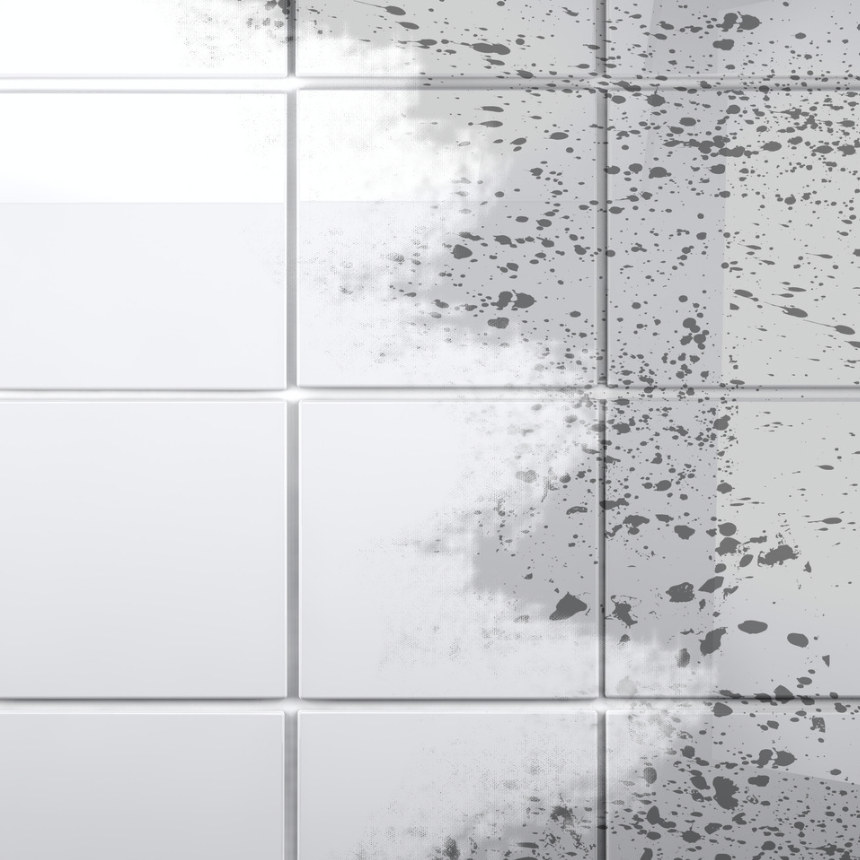
Arizona’s extreme heat and dust often cause Goodyear tile grout to crack, stain, or crumble over time.
Grout may seem like a minor detail in your Goodyear, AZ, home, but it plays a critical role in keeping tile installations strong, water-resistant, and visually appealing. While tiles often get most of the attention, grout is what holds everything together, seals gaps, and protects the surfaces beneath from moisture intrusion. When grout begins to fail, it’s often the first visible sign of larger issues such as water damage, subfloor movement, or improper installation.
Understanding how to identify grout problems early can save Goodyear homeowners from expensive repairs, hidden leaks, and long-term structural damage. In this guide, we’ll walk through the most common grout problems found in Goodyear homes, explain why the local climate accelerates grout wear, and outline practical ways to inspect, monitor, and maintain grout over time.
Understanding Grout and Its Role in Your Home
Grout is a dense paste—typically cement-based, epoxy, or urethane—used to fill the spaces between tiles. While tile provides the visible surface, grout stabilizes the tile layout, prevents debris and moisture from entering joints, and contributes to the finished look of the installation. Without properly functioning grout, even high-quality tile systems can fail prematurely.
It’s important to distinguish grout from other materials commonly used in tile installations. Thinset or mortar bonds tiles to the surface beneath, while caulk is flexible and designed for transitions and corners. Grout, by contrast, is rigid and meant specifically for filling joints between tiles. Because of this rigidity, grout is often the first material to show signs of stress when something isn’t right below the surface.
In Goodyear homes, grout is found in bathrooms, showers, kitchens, laundry rooms, entryways, and outdoor patios. Because grout is porous and constantly exposed to moisture, heat, and movement, it often reveals problems before tiles or subfloors do. Learning to recognize these warning signs early helps protect both the appearance and structural integrity of your home.
How the Goodyear Climate Affects Grout Longevity
Goodyear’s desert climate creates unique challenges for grout that homeowners in cooler or more humid regions may not experience. Extreme heat, low humidity, intense sunlight, and sudden seasonal weather changes all place stress on tile and grout systems.
High temperatures cause building materials to expand, while cooler nights allow them to contract. Over time, this constant expansion and contraction place stress on rigid grout joints, increasing the likelihood of cracking or crumbling. Rapid drying in hot, dry conditions can also interfere with proper grout curing if installations are rushed, leaving grout weaker from the start.
Monsoon season introduces additional complications. Sudden spikes in humidity, heavy rain, and occasional flooding create repeated wet-dry cycles that accelerate grout deterioration. UV exposure further weakens sealers, causing grout to dry out, fade, or become more porous over time. Because of these conditions, grout in Goodyear typically requires more frequent inspection and maintenance than in milder climates.
Common Types of Grout Found in Goodyear Homes
Most Goodyear homeowners will encounter one of several grout types, each with its own strengths and vulnerabilities.
Sanded grout is commonly used for wider joints, especially on floors. It offers durability but can be prone to cracking and staining if not sealed properly.
Unsanded grout is smoother and used for narrow joints or polished surfaces, but it is more susceptible to shrinkage and cracking.
Epoxy grout is highly resistant to moisture and stains, making it popular for showers and high-use areas, though it can discolor or develop a plastic-like appearance over time.
Urethane or premixed grout appears in some newer installations and offers flexibility, but improper installation can lead to premature failure.
Identifying which type of grout is in your home helps you understand what issues are most likely and how best to maintain or repair it. Cement-based grouts, for example, are more prone to cracking, staining, and efflorescence, while epoxy grout issues tend to be more cosmetic or related to aging.
Spotting Grout Cracks, Gaps, and Early Damage
Cracks are one of the most common grout problems in Goodyear homes. While very fine hairline cracks can sometimes occur due to normal settling, deeper or spreading cracks are a clear warning sign.
When inspecting grout, look for:
Linear cracks that follow tile edges
Irregular cracks near corners or doorways
Missing or crumbling grout sections
Recessed grout that sits below tile edges
Pay special attention to high-traffic areas, thresholds, and transitions between rooms. Using a flashlight held at a low angle can help highlight subtle imperfections. Taking close-up photos over time also makes it easier to spot changes that may otherwise go unnoticed.
Even small cracks allow moisture to seep behind tiles. Press gently along cracked lines or tap nearby tiles with a coin—hollow sounds may indicate underlying thinset failure or subfloor movement rather than surface-level grout damage.
Recognizing Discoloration, Stains, and Efflorescence
Not all grout discoloration signals serious trouble, but knowing what’s normal versus concerning is key. Uniform, gradual darkening often results from age and everyday use. However, isolated dark patches, yellowing, or orange staining typically indicate moisture intrusion or chemical reactions.
In Goodyear, hard water is a common culprit. Mineral deposits can leave white or off-white stains on grout, particularly in showers and around sinks. These deposits may appear as a chalky film or crust that returns quickly after cleaning.
Efflorescence—a white, powdery residue—is especially common in cement-based grout. It forms when mineral-rich water travels through grout and evaporates at the surface. While efflorescence itself isn’t mold, it’s a clear sign that moisture is moving where it shouldn’t. Left unaddressed, this moisture migration can lead to more serious problems beneath the tile.
Detecting Mold, Mildew, and Persistent Odors
Despite Goodyear’s dry climate, indoor humidity can build up quickly in bathrooms, kitchens, and laundry rooms. Mold and mildew often appear as black, green, or pinkish discoloration along grout lines, especially in poorly ventilated spaces.
If grout discoloration returns shortly after cleaning or is accompanied by a musty smell, hidden moisture may be present behind the tile or beneath the subfloor. Odors are often one of the earliest signs that water is trapped where it shouldn’t be.
Inspect less visible areas such as shower niches, behind bath mats, under sinks, and around toilet bases. During monsoon season, increased humidity can worsen indoor moisture issues, making regular inspection and proper ventilation especially important.
Inspecting Wet Areas: Showers, Tubs, and Sinks
Bathrooms are the highest-risk areas for grout problems in Goodyear homes. Focus inspections on corners, floor-to-wall transitions, shower pans, and niches. Look for:
Hairline cracks or gaps
Dark or soft grout that doesn’t dry
Recessed or missing grout
Separation between grout and caulk
Around tubs and sinks, pay close attention to grout-caulk transitions. Caulk is designed to flex, while grout is not. If grout is used where caulk should be—or if caulk has failed—water can easily seep behind fixtures, leading to hidden rot or mold.
Recurring gaps, even small ones, should never be ignored in wet areas. These zones experience constant moisture and movement, making them particularly vulnerable to damage.
Evaluating Outdoor and Patio Grout
Outdoor grout faces some of the harshest conditions in Goodyear. Intense UV exposure, extreme heat, soil movement, and monsoon rains all take a toll over time.
Inspect patios, walkways, and pool areas for fading, cracking, or missing grout. Spiderweb cracks and uneven surfaces may indicate thermal expansion or ground movement beneath the tile. After storms, look for erosion or soft spots that suggest water infiltration.
Pool decks and outdoor showers deserve extra attention, as chlorine, salt, and constant water exposure can accelerate grout breakdown. Cleaning a small test area can help reveal damage hidden beneath dirt or mineral buildup.
Identifying Installation Errors and Maintenance Gaps
Some grout problems stem not from age, but from improper installation. Common signs include inconsistent joint widths, uneven grout height, pinholes, or widespread cracking shortly after installation.
Using the wrong grout type can also cause recurring issues. Unsanded grout in wide joints may crack, while sanded grout on polished stone can cause scratching and premature wear. Missing or deteriorated sealers further increase vulnerability to staining, moisture penetration, and crumbling—especially in Goodyear’s climate.
Understanding whether grout issues are due to normal aging or installation errors helps homeowners decide whether simple repairs are sufficient or if professional intervention is needed.
When to Call a Professional and How to Maintain Grout Long-Term
Minor cosmetic issues—light staining, hairline cracks, or surface discoloration—can often be managed with gentle cleaning, resealing, or grout colorants. However, recurring cracks, hollow tiles, persistent mold, or signs of moisture beyond the grout surface should always be evaluated by a professional.
Local professionals familiar with Goodyear’s soil conditions, climate patterns, and building practices can identify root causes and recommend long-term solutions rather than temporary fixes.
Establishing a routine maintenance plan is one of the most effective ways to extend grout life. Regular inspections, non-abrasive cleaning, proper ventilation, and periodic resealing help protect grout from heat, moisture, and UV damage. Keeping photos and notes of grout conditions over time can also help track changes and prioritize repairs.
Conclusion
Grout in your Goodyear, AZ, home is far more than a cosmetic detail—it’s a critical barrier against moisture and a visible indicator of underlying issues. Cracking, discoloration, crumbling, mold growth, and movement-related damage are common challenges accelerated by extreme heat, intense sunlight, hard water, and monsoon moisture.
By learning to recognize early warning signs and conducting regular inspections in bathrooms, kitchens, outdoor spaces, and high-traffic areas, homeowners can prevent costly repairs and hidden structural damage. While minor issues may be manageable with DIY care, persistent or widespread problems should always be evaluated by qualified professionals. Proactive attention to grout health protects both the beauty and longevity of your home.
FAQs – Grout Maintenance in Goodyear, AZ
High-moisture areas like showers should be checked monthly, kitchen floors quarterly, and outdoor tile surfaces at least twice a year. Goodyear’s climate makes frequent inspections especially important.
Hairline cracks, slight darkening that doesn’t dry, chalky residue, or musty odors often appear before major damage develops.
Minor surface issues can sometimes be handled with DIY cleaning, sealers, or colorants. Extensive cracking, recurring mold, or hollow tiles usually require professional evaluation.
Extreme heat, UV exposure, hard water, and seasonal monsoons accelerate grout drying, cracking, and discoloration, increasing the need for proactive maintenance.
Recurring cracks, spreading mold, hollow-sounding tiles, or stains on nearby walls or ceilings may indicate leaks or structural movement and should be assessed by a professional.
