
Explaining Mold Allergy Symptoms in Arizona Residents
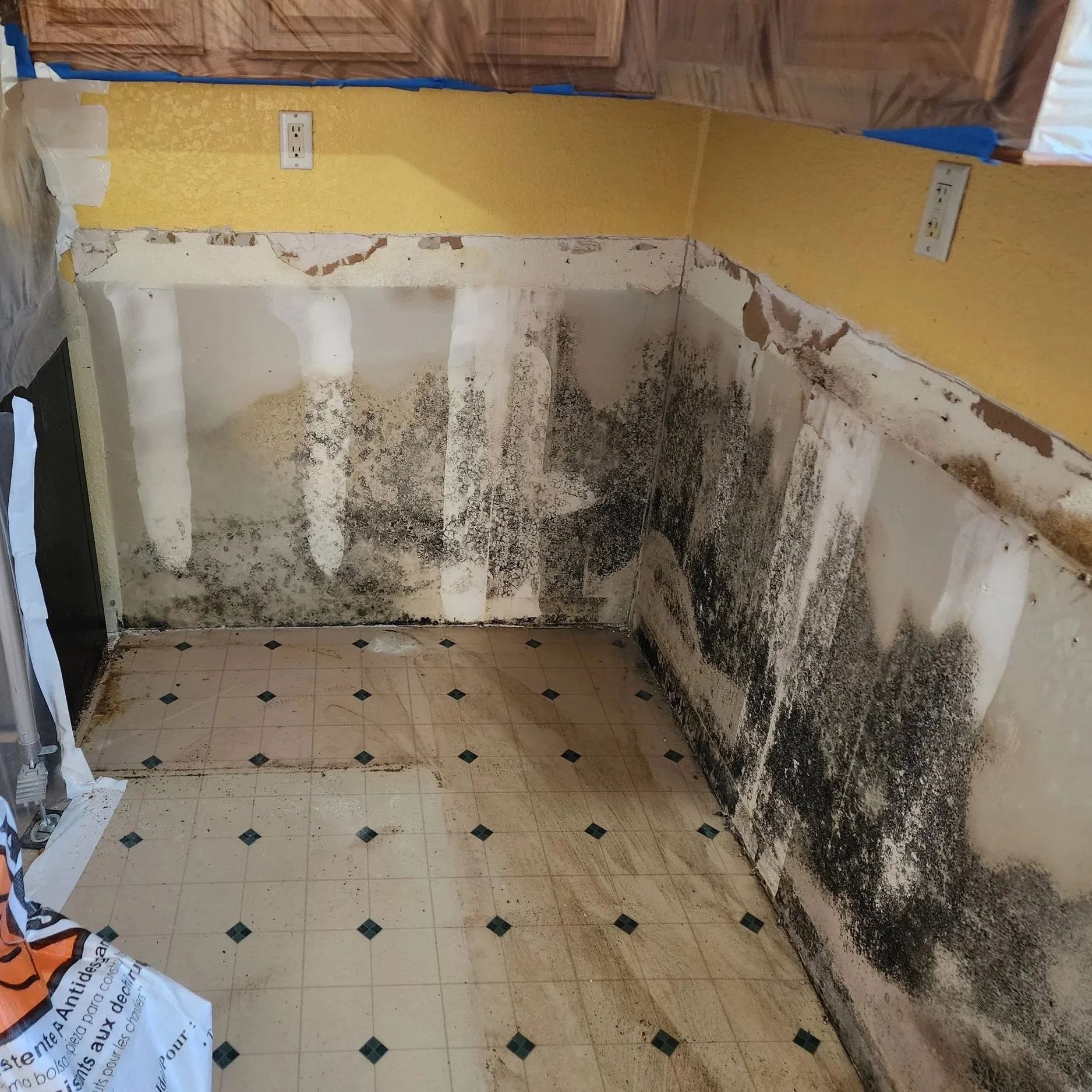
Many Arizona residents mistake mold allergy symptoms—like sneezing and itchy eyes—for common desert seasonal allergies or dust sensitivity.
Understanding Mold Allergies in Arizona
Many Arizonans assume that living in a desert climate protects them from mold-related health issues. Low outdoor humidity seems to make mold unlikely, but indoor moisture pockets, irrigation, and the monsoon season create ideal conditions for mold growth. Mold allergies occur when the immune system overreacts to mold spores, mistaking them for harmful invaders. Symptoms often mimic colds, asthma, or sinus infections, which makes them easy to overlook.
Arizona’s weather patterns, housing types, and lifestyle factors influence mold exposure and symptoms. Recognizing mold allergies, knowing when to seek medical help, and taking steps to reduce exposure indoors and outdoors are critical.This article focuses on these topics and explores high-risk areas in homes, seasonal patterns like monsoon spikes, and frequently asked questions from local residents.
What Mold Is and How It Triggers Allergies
Mold is a fungus that thrives in moist environments, feeding on organic materials like wood, paper, and food. While visible black or green patches can indicate mold, microscopic spores released into the air are the real culprits behind allergic reactions. Spores can enter homes through doors, windows, HVAC systems, clothing, and pets. Both indoor and outdoor molds can trigger reactions, and spores can travel far from their source.
When inhaled by sensitive individuals, mold spores trigger an immune overreaction. Antibodies and histamine are released, causing inflammation of the nasal passages, eyes, skin, and airways. Symptom intensity depends on individual sensitivity, exposure length, and spore concentration. Repeated exposure can worsen sensitivity, and some people may develop asthma or experience flare-ups linked specifically to mold. Common molds in Arizona include Cladosporium, Penicillium, Aspergillus, and Alternaria, which often grow around AC units, bathrooms, irrigation-dampened soil, and decaying vegetation after monsoon rains.
It’s important to distinguish mold allergies from fungal infections. Allergies are immune reactions to spores, whereas infections occur when mold grows inside body tissues—a rare but serious condition. People with weakened immune systems are at higher risk of infections. Persistent or severe symptoms should prompt medical evaluation.
How Arizona’s Climate Impacts Mold Exposure
Arizona’s dry reputation doesn’t prevent mold. Micro-environments with moisture, such as bathrooms, kitchens, water features, or HVAC systems, provide ideal growth conditions. Air conditioning, swamp coolers, and poorly ventilated spaces create pockets of condensation. The contrast between hot outdoor air and cooled indoor air encourages moisture buildup even in desert homes.
Monsoon season brings humidity, heavy rains, and occasional flooding, increasing mold growth and airborne spore levels. Water intrusion in roofs, walls, and floors can create hidden mold colonies that persist long after visible damage dries. Many residents notice worsening allergy and asthma symptoms during or after monsoon storms, including nasal congestion, coughing, and wheezing.
Mold exposure varies across regions. Urban areas like Phoenix and Tucson face indoor mold from HVAC systems, plumbing leaks, and multi-unit housing. Rural or higher-elevation areas like Flagstaff or Prescott see more outdoor mold exposure from decaying vegetation and wetter conditions. Even within homes, features such as stucco exteriors, flat roofs, slab foundations, and excessive air conditioning can trap moisture. Mold can thrive in corners under sinks, behind walls, and around AC vents—even when the rest of the home feels dry.
Recognizing Mold Allergy Symptoms
Classic Symptoms
Common symptoms include nasal congestion, sneezing, runny nose, postnasal drip, itchy or watery eyes, and throat irritation. Chronic inflammation may cause sinus pressure, headaches, or hoarseness. Skin reactions like rashes or itching can also occur. Coughing, wheezing, shortness of breath, and chest tightness may indicate respiratory involvement, including mold-induced asthma.
Subtle Symptoms
Mold allergy can also manifest as chronic fatigue, brain fog, lingering cold-like symptoms, sleep disturbances, and irritability. Children may experience frequent “colds,” chronic cough, or worsened asthma, affecting school performance.Infants may show feeding difficulties, noisy breathing, fussiness, or recurrent ear infections. Older adults may experience fatigue, worsening heart or lung conditions, and increased vulnerability to respiratory infections. Tracking symptom patterns in relation to specific locations or seasons helps identify mold as a contributing factor.
Distinguishing Mold Allergy from Other Conditions
Mold allergy can mimic pollen allergies, dust irritation, chronic sinusitis, or regional infections like Valley Fever. Key differences include:
Pollen: Seasonal, outdoor, linked to plant pollination periods.
Dust and pollution: Often, irritant reactions, worsened by dust storms or wildfire smoke, are usually not indoors-specific.
Sinus infections: Fever, thick discolored mucus, facial pain, and fatigue are more typical.
Valley Fever: Serious systemic fungal infection, causing fever, night sweats, chest pain, and severe fatigue.
Tracking symptom timing, location, and environmental triggers helps differentiate these conditions. Formal allergy testing provides clarity for persistent or confusing symptoms.
Diagnosis, Treatment, and Daily Management
Suspect mold allergy if symptoms worsen in damp or musty environments, improve when away, or flare after monsoon storms or water leaks. Keeping a symptom diary, noting dates, locations, and activities, is helpful. Physicians start with a detailed history and physical exam, focusing on the nasal passages, throat, lungs, eyes, and skin. Allergy testing may include skin prick tests or blood tests to pinpoint specific mold sensitivities.
Treatment includes over-the-counter antihistamines, nasal saline rinses, and steroid sprays, prescription nasal sprays or inhalers for severe cases, and allergen immunotherapy (allergy shots) for long-term relief. Daily strategies such as controlling indoor humidity, using dehumidifiers, regular cleaning, elevated sleeping positions, and hydration support symptom management. Combining environmental control with medical treatment is typically more effective than either alone.
Preventing Mold Exposure and Protecting Health
Controlling indoor humidity is essential, even in Arizona. Use dehumidifiers in damp areas, ensure proper ventilation in bathrooms and kitchens, and avoid indoor clothes drying. Identify hidden moisture from roof leaks, plumbing issues, or condensation on AC ducts. Small mold patches on non-porous surfaces can be cleaned safely with gloves, masks, and proper cleaning solutions. Large infestations, mold on porous surfaces, or homes with sensitive individuals require professional remediation.
High-risk areas include bathrooms, kitchens, laundry rooms, AC systems, attics, crawl spaces, garages, workplaces, schools, and public buildings. Maintaining clean air with HEPA filters, dusting with damp cloths, limiting indoor plant mold, and managing outdoor exposure after rain can reduce symptoms. Travel and seasonal planning, particularly during monsoon season or visits to humid states, help minimize exposure.
Unchecked mold allergy can lead to chronic sinusitis, nasal polyps, worsening asthma, reduced lung function, fatigue, and sleep disturbances, affecting school, work, and social life. Immunocompromised individuals are at increased risk for infections and complications, making avoidance, medical monitoring, and environmental interventions especially important. Coordinating care between doctors, inspectors, and remediators ensures effective management and long-term relief.
Conclusion: Taking Control in Arizona
Despite Arizona’s dry reputation, mold is a significant trigger for allergy and asthma symptoms, especially during monsoon season and in moisture-prone indoor spaces. Recognizing symptom patterns and differentiating mold from other triggers allows residents to take effective action. Combining medical evaluation, appropriate treatments, and proactive environmental control—such as controlling humidity, addressing leaks, maintaining HVAC systems, and professional remediation—can dramatically improve quality of life. With awareness and coordinated care, most Arizona residents can achieve meaningful relief and breathe comfortably in their homes.
FAQs
Persistent nasal congestion, sneezing, runny nose, itchy or watery eyes, coughing, and postnasal drip that worsen indoors or after monsoon storms or leaks. Musty odors or visible mold support suspicion. Fatigue, headaches, or sinus pressure that improve when away from home are also clues.
Mold symptoms are more prominent indoors and during or after moisture events, like monsoon rains. Dust and pollen tend to trigger reactions outdoors or seasonally. Tracking when and where symptoms occur, combined with allergy testing, can help identify the cause.
Most residents can manage mold allergies without relocating. Controlling humidity, fixing leaks, and remediating mold in specific areas often provides significant relief. Relocation is usually only necessary in severe contamination cases or for vulnerable individuals.
Unchecked mold exposure can contribute to chronic sinus issues, nasal polyps, and worsening asthma. People with lung disease or weakened immunity may face increased risks. Early recognition, treatment, and environmental interventions generally prevent complications.
