
How To Protect Your Family from Mold-Related Health Issues
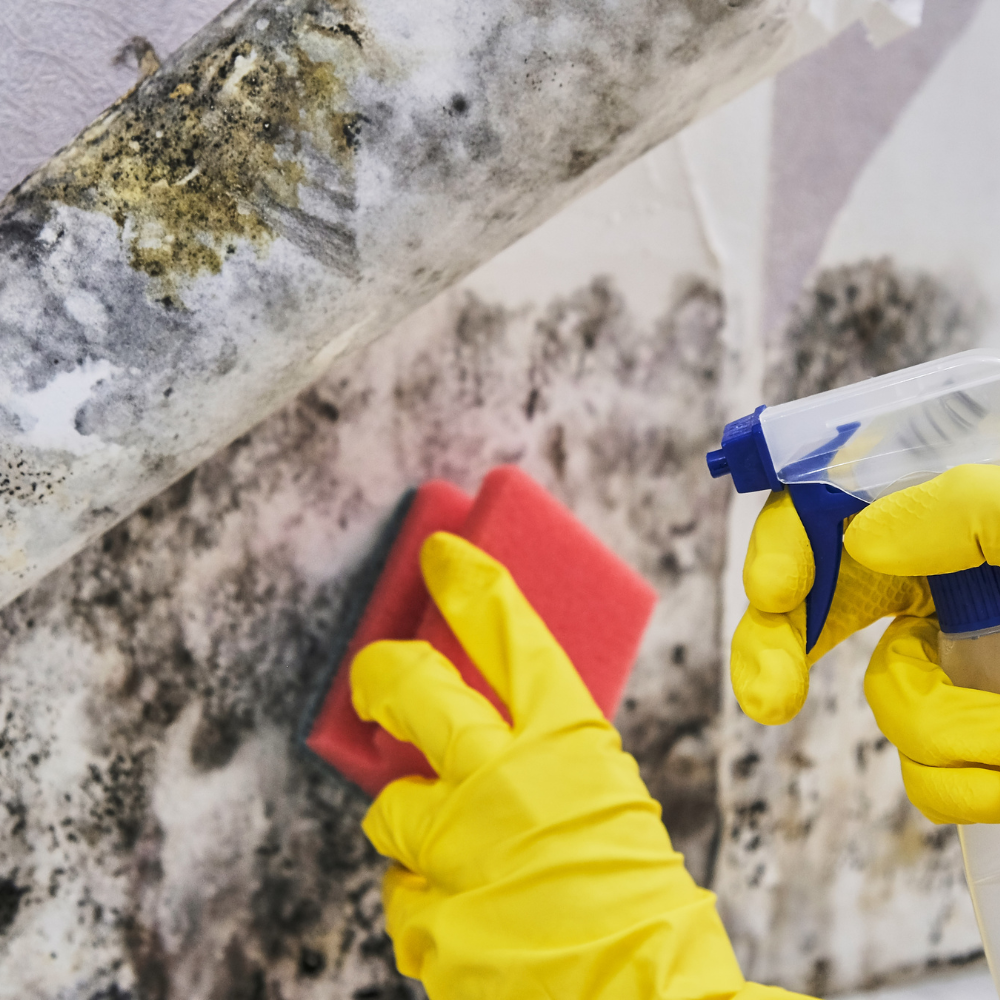
Identifying hidden moisture is the first step in stopping toxic mold growth and protecting your family’s long-term respiratory health.
Why Mold Protection Matters for Your Family’s Health
Mold is more than an unsightly nuisance—it can pose serious health risks for your family. This fungus thrives in damp, warm, and poorly ventilated environments, reproducing through microscopic spores that are always present in indoor and outdoor air. Problems arise when these spores encounter moisture and organic material, feeding on drywall, wood, carpet, insulation, and fabrics.
Common household mold hotspots include bathrooms, basements, kitchens, laundry rooms, around windows, and any area with current or past leaks. Mold can also grow in hidden spots like behind walls, under floors, inside HVAC systems, and beneath sinks. Understanding where mold hides is essential to protect your family from the health issues it can cause.
Mold exposure can trigger or worsen respiratory problems, allergies, asthma, and sinus issues. Some molds produce mycotoxins that carry additional risks, though not all visible mold is toxic. Symptoms range from mild sneezing, itchy eyes, or coughs to more serious effects like chronic sinus infections, persistent headaches, fatigue, or difficulty breathing.The severity depends on exposure level, duration, and individual sensitivity.
Certain family members are more vulnerable, including infants, young children, older adults, pregnant individuals, and anyone with asthma, allergies, or chronic respiratory conditions. Even healthy individuals may develop symptoms if exposed to high levels for long periods.
This guide provides practical strategies to recognize mold, locate moisture problems, implement prevention methods, and respond safely when mold appears. By following these steps, you can create a healthier indoor environment and reduce the risk of mold-related health issues.
Understanding Mold and How It Affects Health
Mold comes in many varieties commonly found indoors, such as Cladosporium, Penicillium, Aspergillus, and Stachybotrys, often called “black mold.” These molds differ in appearance and growth preferences, but any persistent indoor mold is a concern. Colors range from black and green to white, gray, brown, or even orange, and textures can be powdery, slimy, or fuzzy. You cannot reliably determine toxicity based on color alone, so treating all mold as potentially harmful is the safest approach.
Mold spreads through spores that travel via air currents, fans, and HVAC systems, settling on surfaces and dust until moisture allows growth. Spores can also hitch a ride indoors on shoes, pets, and open windows. Exposure occurs mainly through inhalation, skin contact, or occasional ingestion. Long-term inhalation is the biggest concern for respiratory health, making moisture control and air circulation critical.
Symptoms of mold exposure include sneezing, runny or stuffy nose, itchy eyes, coughing, wheezing, throat irritation, skin rashes, headaches, fatigue, and difficulty concentrating. Symptoms often worsen in damp, musty areas and improve when away from home. Chronic exposure can lead to ongoing respiratory infections, worsening asthma, persistent sinusitis, or chronic bronchitis. Early detection and remediation significantly reduce the risk of long-term health effects.
Recognizing Early Signs of Mold in Your Home
Visible mold may appear as fuzzy, slimy, or powdery spots and streaks. Look for black or green patches on drywall, discolored grout in bathrooms, or darkened areas around windows and baseboards. Regularly inspect corners of ceilings, under sinks, behind toilets, around HVAC vents, and in closets on exterior walls. Any discoloration that grows or returns after cleaning should be investigated.
A musty, earthy odor often signals hidden mold, even without visible growth. Persistent smells after rain, running humidifiers, or using air conditioning indicate problem areas. Condensation, damp spots, peeling paint, warped floors, and staining from past leaks are additional warning signs. Mold can appear within 24–48 hours of moisture exposure.
Unexplained allergy-like symptoms—especially when multiple family members are affected—can indicate hidden mold. Keeping a symptom diary, noting locations, times, and activities, can help connect health issues with environmental triggers and prompt inspection or professional evaluation.
Identifying High-Risk Areas in and Around Your Home
Bathrooms are especially prone to mold due to frequent steam, poor ventilation, and damp surfaces. Problem areas include shower tiles, grout, caulk, ceilings above showers, and around sinks and toilets. Ensure exhaust fans vent outdoors and inspect for peeling paint, mildew, or swelling in cabinets.
Kitchens also harbor mold from cooking, steam, and hidden plumbing leaks. Check under sinks, behind refrigerators, around dishwashers, and near windows. Look for soft cabinet bases, discoloration, or musty odors.
Basements and crawl spaces are naturally cool and damp, often with poor ventilation. Inspect for standing water, damp insulation, white efflorescence on masonry, and musty odors. Moisture from foundations can spread spores throughout the house.
Attics can accumulate mold due to roof leaks or poor ventilation. Check rafters, insulation, and dark stains on sheathing. Ensure bathroom and kitchen vents do not exhaust into attics, and monitor roof condition for missing shingles or leaks.
Windows, doors, and HVAC systems can also foster mold. Condensation around frames and poorly maintained ducts or drip pans creates ideal conditions for mold growth. Regular maintenance and sealing leaks help prevent contamination.
Assessing Your Home’s Moisture Sources
Plumbing leaks, hidden water damage, and even minor drips can quickly lead to mold. Inspect under sinks, around tubs, and near water heaters. Check behind access panels, pipes, and faucets for signs of slow leaks, stains, or warping.
High indoor humidity—above 50% relative humidity—promotes mold even without visible leaks. Use a hygrometer to monitor humidity in damp rooms and adjust ventilation and dehumidifiers accordingly.
Condensation occurs when warm air hits cold surfaces like single-pane windows or uninsulated pipes. Address thermal bridges with insulation, double glazing, or moisture control. Outdoor drainage and landscape grading are equally important to prevent water intrusion near foundations.
Even daily activities like cooking, showering, or drying clothes indoors add moisture. Balance these with ventilation, dehumidifiers, and exhaust fans to maintain a healthy indoor environment.
Protecting Vulnerable Family Members
Children, infants, and pregnant individuals are more susceptible to respiratory irritation and allergy symptoms. Parents should monitor bedrooms, play areas, and bathrooms, maintain allergen-proof bedding, and use air filtration.
Those with asthma or allergies may experience flare-ups when exposed to mold. Keeping humidity in the optimal range, using HEPA filters, removing damp carpets, and maintaining dry bedrooms are effective strategies.
Older adults and immunocompromised individuals are slower to recover from infections and more vulnerable to complications. Prioritize dry, well-ventilated rooms, minimize clutter, and involve caregivers or professionals for cleaning.
Bedrooms should be a top priority, as prolonged exposure during sleep increases risk. Use washable bedding, inspect corners and under furniture, and maintain air circulation to prevent mold growth.
Improving Ventilation and Indoor Air Quality
Proper use of exhaust fans in kitchens and bathrooms removes moisture effectively. Fans must vent outdoors, not recirculate air. Run fans during and after showers or cooking, and check airflow with a simple tissue test.
Opening windows to create cross-breezes helps dilute indoor spores when outdoor conditions allow. In humid or polluted areas, mechanical solutions like dehumidifiers and air purifiers may be more effective.
HEPA air purifiers can reduce airborne spores and allergens, but cannot remove mold from surfaces. Place purifiers in bedrooms and living spaces, and change filters regularly. HVAC maintenance is essential—clean drip pans, coils, and ducts, and address leaks or condensation promptly to prevent mold spread.
Managing Humidity and Using Dehumidifiers
Maintaining indoor humidity between 30–50% discourages mold growth. Measure humidity in problem areas and adjust dehumidifier use accordingly.
Select dehumidifiers based on room size and moisture load, considering features like humidistats, continuous drain options, and energy efficiency. Place units where air circulates freely and avoid blocking vents. Regularly clean filters and reservoirs to prevent secondary contamination.
Supplemental strategies include using exhaust fans, drying clothes outdoors when possible, sealing air leaks, and insulating cold surfaces. Behavioral habits like covering pots while cooking, promptly drying floors, and moderating humidifiers use complementary mechanical solutions.
Safe Cleaning and Small-Scale Mold Removal
Small mold patches under 10 square feet can often be cleaned safely using gloves, masks, and eye protection. Ensure good ventilation, and keep others away during cleaning.
Use detergent, water, or specialized mold cleaners for non-porous surfaces. Bleach may be used cautiously, but it is not always necessary. Avoid mixing chemicals and always test products in small areas first.
Clean by lightly misting to reduce spores, scrubbing thoroughly, and drying completely with fans or dehumidifiers. Addressing moisture sources is essential—without it, mold will return.
When to Call a Professional Mold Remediation Service
Large or recurring mold, contamination of porous materials, or mold after flooding requires professional help. Symptoms in family members, mold in multiple rooms, and structural contamination also indicate professional remediation.
Experts perform inspections using moisture meters, infrared cameras, and sometimes sampling to assess the problem. Remediation includes containment, removal of contaminated materials, cleaning, and drying. Post-remediation verification ensures mold levels return to normal.
Choose certified, licensed professionals, review references, and get a clear written scope of work. Avoid companies that make exaggerated health claims or unnecessary testing. Proper remediation addresses the source of moisture to prevent recurrence.
Conclusion: Creating a Long-Term Mold Protection Plan
Protecting your family requires awareness, prevention, and timely action. Understand mold’s health impacts, recognize early signs, identify moisture sources, and prioritize high-risk areas. Maintain ventilation, control humidity, practice safe cleaning, and call professionals when needed.
Establish routines for seasonal inspections, cleaning, and moisture-smart habits. Keep records of repairs and improvements, and coordinate with healthcare providers when symptoms arise. Ongoing vigilance and proactive behavior are key to reducing mold-related health risks and maintaining a healthy, comfortable home for your family.
FAQs
Track symptoms like nasal congestion, coughing, headaches, or eye irritation and note patterns—worse at home, better elsewhere. Consult a healthcare provider for persistent or severe symptoms. Keeping a symptom and environment diary helps link health issues to potential mold exposure.
Not all black mold is the highly publicized “toxic black mold.” Color alone does not determine toxicity. Any mold indoors should be treated as a concern and removed, with the focus on eliminating moisture and safely cleaning or remediating the area.
Small patches on non-porous surfaces can often be safely cleaned with gloves and masks. Large, widespread growth, contamination of porous materials, or repeated regrowth requires professional remediation. People with health issues or severe sensitivity should avoid DIY cleanup.
Controlling moisture is critical. Fix leaks promptly, use exhaust fans, manage humidity with dehumidifiers, and dry wet surfaces quickly. Regular inspections, proper ventilation, and moisture-smart habits form the foundation of long-term mold prevention.
