
Explaining Mold Risks in Goodyear, AZ, Commercial Properties
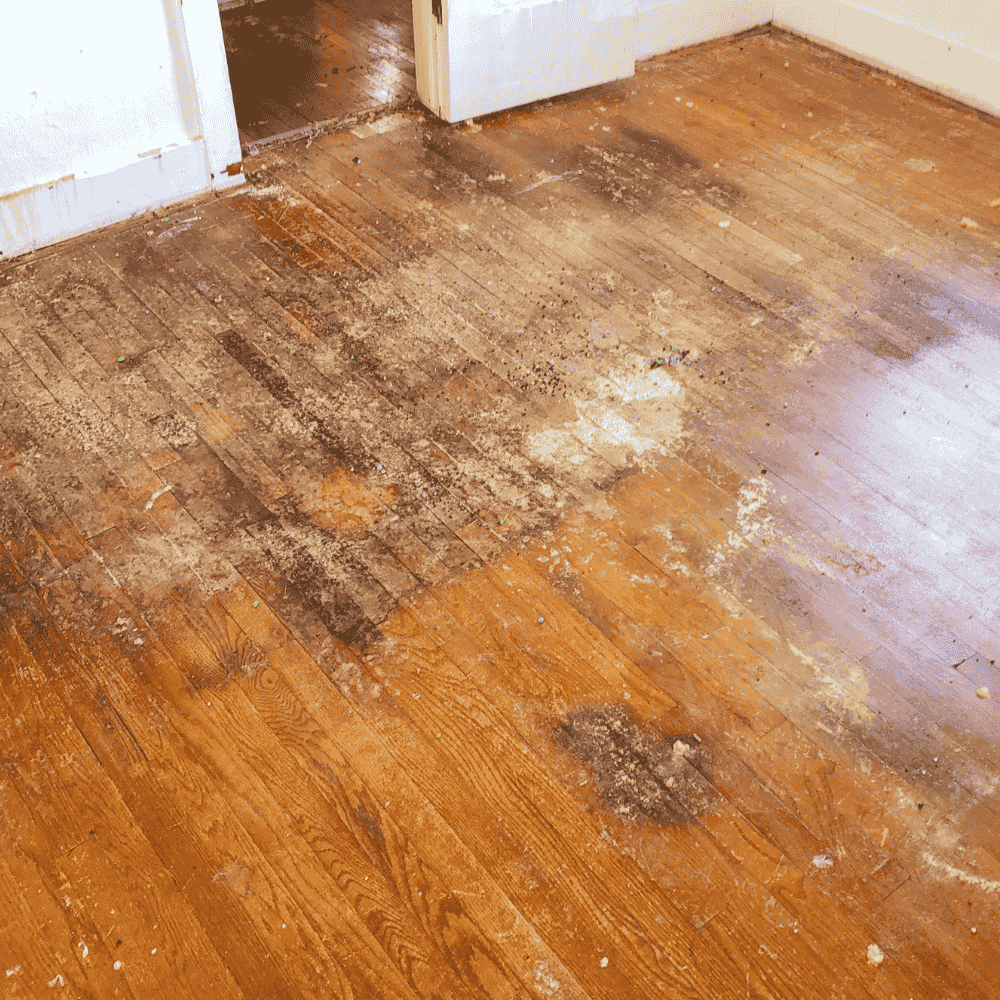
Goodyear commercial properties face high mold risks from monsoon moisture and AC leaks, necessitating prompt inspection and professional restoration services.
Mold Risks in Goodyear, AZ, Commercial Properties
Many commercial property owners and managers in Goodyear, AZ, assume that a hot, dry desert climate automatically minimizes the risk of mold. In reality, even this arid region presents significant opportunities for mold growth, especially during the monsoon season, in areas with heavy HVAC use or where pockets of indoor humidity accumulate. Modern commercial buildings are often tightly sealed to improve energy efficiency, which can inadvertently trap moisture behind walls, under flooring, or inside mechanical systems. Mold is often hidden, making it easy to overlook until visible damage appears or occupants report health concerns.
In commercial settings, mold isn’t just a cosmetic issue. It can degrade indoor air quality, reduce property value, affect tenant satisfaction, and disrupt business operations. Owners, property managers, and facility supervisors in Goodyear need localized knowledge about mold: what triggers it in this region, how to detect it early, and what steps are required to safeguard occupants and property. This guide provides a practical roadmap for understanding and managing mold risk in Goodyear commercial buildings.
Understanding Mold: Basics Every Property Manager Should Know
What Mold Is and How It Grows
Mold is a type of fungus that thrives wherever moisture and organic material are present. It reproduces via microscopic spores that exist virtually everywhere. Mold growth requires three main conditions: moisture, a food source, and suitable temperatures. In commercial buildings, materials like drywall, ceiling tiles, insulation, and carpeting provide ideal surfaces. Mold does not need standing water; even high humidity or minor recurring condensation can trigger growth.
In Goodyear, rapid temperature shifts between hot outdoor air and cooled indoor spaces can create condensation in walls, ceilings, and around HVAC systems. These microclimates allow mold to flourish unnoticed, especially in areas behind finishes or in rarely inspected mechanical rooms.
Common Types of Indoor Mold in Commercial Buildings
Commercial buildings often host molds such as Cladosporium, Penicillium, Aspergillus, and occasionally Stachybotrys. While not all molds are toxigenic, any indoor growth signals underlying moisture problems and can negatively affect air quality. For most day-to-day management, spotting visible growth and addressing moisture sources is more critical than identifying the species. That said, large or persistent infestations—or situations where occupants report health issues—may require professional testing to guide remediation safely.
How Mold Spreads Through Commercial Properties
Mold spores travel through the air and can move via ventilation systems, stairwells, elevator shafts, and high-traffic corridors. Even routine activities, such as cleaning, repairs, or moving furniture, can disturb colonies and distribute spores. Once moisture exists—through leaks, condensation, or plumbing failures—previously dormant spores can colonize nearby materials. In multi-tenant buildings, mold in one suite can spread via shared walls or ductwork, potentially affecting an entire property.
Why Mold Is Especially Problematic Indoors
Outdoor mold is a normal environmental presence, but indoor mold concentrates spores and byproducts in enclosed spaces. Modern energy-efficient buildings, while controlling temperature effectively, trap moist air, reducing natural ventilation that might otherwise disperse spores. In offices, retail locations, medical facilities, and warehouses, occupants spend extended periods indoors, increasing their exposure. Prolonged indoor exposure raises health concerns, legal liability, and business continuity risks.
Goodyear, AZ, Climate Factors That Increase Mold Risk
Indoor Humidity Despite a Dry Desert Climate
Although Goodyear’s desert climate is largely dry, indoor humidity can be elevated due to air conditioning, occupant activity, and water-using equipment. Sealed commercial buildings reduce airflow, trapping moisture from restrooms, kitchens, industrial processes, and even indoor plants. Rapid cooling of hot outdoor air via HVAC systems often creates condensation on ducts, vents, and walls. These localized moisture pockets become hotspots for mold growth.
Monsoon Season: Sudden Moisture Surges
Goodyear experiences intense summer monsoons that can overwhelm drainage and expose weaknesses in roofs, windows, and building envelopes. Wind-driven rain can infiltrate small cracks, gaps in sealants, and flashing failures, causing hidden leaks. Flooding in low-lying areas, parking lots, or ground-level suites can occur quickly. Even short-term water intrusion, if not dried within 24–48 hours, can trigger mold growth. Repeated storms without thorough inspections may create chronic damp conditions behind walls and ceilings.
Temperature Extremes and HVAC Strain
The extreme heat in Goodyear pushes HVAC systems to run continuously. Condensate drain backups, overflowing drip pans, and sweating ducts are common issues, creating moisture inside ceilings and mechanical rooms. Uneven cooling and temperature differences between zones lead to humidity imbalances. Poorly maintained or undersized HVAC systems exacerbate the problem, producing conditions conducive to mold along vents, air handlers, and ductwork.
Local Building Materials and Practices
Common West Valley construction materials—stucco exteriors, flat roofs, specific insulation types—can retain moisture if improperly designed or maintained. Older structures or fast-built developments may have gaps in waterproofing and roof design that become apparent during the monsoon season. Understanding how local building practices interact with Goodyear’s climate is essential to assessing mold vulnerability, especially around parapet walls, roof drains, and window assemblies.
Water Scarcity vs. Water Damage Paradox
Despite regional concerns about water scarcity, water intrusion remains a leading cause of mold in Goodyear commercial properties. Leaks, condensation, and intense but sporadic storms present far higher mold risks than ambient outdoor humidity. This paradox can create a false sense of security; owners and managers must focus on indoor systems and events that introduce moisture.
Common Mold Hotspots in Goodyear Commercial Properties
Roofing Systems, Parapet Walls, and Ceiling Cavities: Flat or low-slope roofs are prone to ponding, clogged drains, and membrane failure. Water can travel far from entry points, saturating insulation, ceiling tiles, and structural components. Parapets and roof-wall transitions are particularly vulnerable.
HVAC Rooms, Mechanical Chases, and Ductwork: Condensate leaks, sweating pipes, and poor ventilation in these areas foster persistent dampness. Mold in ductwork or on vent liners can distribute spores throughout the building.
Restrooms, Break Rooms, and Kitchenettes: Sinks, dishwashers, ice makers, and water dispensers can produce slow leaks or condensation. Exhaust fans and proper ventilation are critical to controlling moisture.
Basements, Storage Areas, and Utility Rooms: Below-grade spaces with poor drainage or foundation cracks are at high risk. Stored items like cardboard, fabrics, and paper can absorb moisture and support mold growth.
Tenant Build-Outs and Interior Finishes: Walls, cabinetry, and decorative features can trap moisture if proper drying and sealing practices aren’t followed during construction or renovations.
Health Risks of Mold Exposure
Respiratory Symptoms and Allergic Reactions
Mold exposure can trigger coughing, sneezing, nasal congestion, sore throat, wheezing, and itchy eyes. In commercial environments, these symptoms may be persistent, particularly in high-occupancy areas. Reports of recurring “sick building” symptoms often indicate hidden moisture or mold issues.
Impacts on Asthma and Preexisting Lung Conditions
Mold exacerbates asthma and other chronic respiratory conditions, increasing the need for medications and raising the risk of attacks. Vulnerable populations in healthcare, senior living, or office environments face heightened risks. Addressing mold is critical for both occupant health and reducing liability.
Psychological and Productivity Impacts
Visible mold, musty odors, and repeated complaints can foster anxiety, distrust, and dissatisfaction. Morale, focus, and productivity may decline, and absenteeism can rise. Transparent communication and prompt action improve trust and workplace well-being.
Business and Structural Impacts of Mold
Mold damages drywall, insulation, carpets, ceiling tiles, and wood framing. It also contributes to corrosion, electrical hazards, and compromised fireproofing. Repair often requires invasive methods, increasing costs and downtime. Mold remediation may force closures, impacting tenant operations, retail sales, and office productivity. Poor handling can damage reputation, reduce tenant retention, and escalate long-term maintenance costs. Proper preventive maintenance and early remediation minimize these financial and operational impacts.
Regulatory, Legal, and Insurance Considerations
While no federal mold standard exists, OSHA and EPA guidelines set expectations for safe indoor air quality. Arizona building and health codes require property managers to address moisture, ventilation, and sanitation issues. Commercial landlords must provide premises fit for the intended use, addressing leaks and obvious mold. Lease agreements may define tenant responsibilities for reporting and maintenance. Insurance coverage for mold varies widely, with many policies limiting or excluding damage from long-term moisture issues. Property owners should review policies and maintain documentation of inspections and repairs.
Preventive Maintenance and Mold Risk Reduction
Proactive measures are the foundation of mold prevention. Regular roof inspections, drain cleaning, sealant maintenance, and monitoring parapets, stucco, and joints are crucial. HVAC systems require routine checks of condensate drains, ducts, and humidity control. Plumbing and drainage inspections prevent slow leaks and water accumulation. Janitorial practices should avoid excess moisture, train staff to spot potential mold, and ensure quick cleanup of spills. Educating tenants and employees about reporting leaks, odors, and stains allows early intervention. Pre- and post-monsoon inspections and rapid response protocols are particularly important in Goodyear.
When Mold Is Found: Response and Remediation
Immediate steps include stopping the moisture source, isolating affected areas, protecting occupants, and documenting the situation. Small, localized mold can sometimes be addressed by in-house maintenance, but professional remediation is essential for widespread issues, sensitive populations, or complex regulatory environments. Professionals use containment, HEPA filtration, removal of contaminated materials, cleaning, drying, and verification to prevent recurrence. PPE, dust control, and clear communication with tenants protect health and reduce disruption. Post-remediation documentation is critical for future reference, insurance, and compliance.
Creating a Mold Management Plan
A comprehensive plan identifies vulnerable areas, prioritizes inspection and maintenance, and assigns clear responsibilities. Written policies should define procedures, reporting channels, inspection schedules, and thresholds for professional remediation. Staff training, drills, and vendor relationships enable rapid response. Continuous review and adjustment of the plan improve effectiveness and resilience. Local Goodyear experience, case studies, and professional insight help tailor strategies to climate, building design, and tenant use.
Working with Local Mold Professionals
Selecting qualified mold professionals requires verifying certifications, licenses, and experience with commercial properties. Local expertise matters: Goodyear-specific knowledge of monsoons, desert heat, and West Valley building practices improves outcomes. Successful projects require coordination among owners, managers, tenants, and contractors, with clear communication about schedules, access, and safety. Learning from nearby properties’ experiences provides practical insights for preventing repeat issues.
Conclusion: Protecting Goodyear Commercial Properties from Mold
Mold in Goodyear commercial properties results from a combination of climate, building design, and everyday operations. Monsoons, HVAC-induced humidity, and hidden leaks create real risk even in a desert environment. Understanding mold growth, region-specific vulnerabilities, and common hotspots is the first step in protection. Proactive maintenance, early detection, structured response, trained staff, and tenant engagement form a strong defense. Prompt professional remediation, thorough documentation, and continuous management support healthy indoor environments, tenant satisfaction, and long-term property resilience.
FAQs
Heavy, wind-driven rain and sudden water accumulation during the monsoon season can overwhelm drainage systems, penetrate roof membranes, and find gaps in building envelopes. Repeated storms, if not followed by inspections and drying, can lead to chronic dampness in ceilings, walls, and mechanical areas, creating ideal conditions for hidden mold growth.
Preventive measures include regular roof inspections, HVAC and plumbing maintenance, moisture monitoring, tenant education, and rapid response to any water intrusion. Goodyear-specific steps involve pre- and post-monsoon inspections, checking for condensation hotspots, and maintaining drainage and envelope integrity.
Professional intervention is needed for large or widespread mold areas, recurring leaks, sensitive occupant populations, or when regulatory or insurance requirements apply. Situations that demand specialized containment, removal, and verification help prevent repeated outbreaks and protect health and liability.
Occupants can spot early warning signs such as musty odors, water stains, or comfort complaints and report them promptly. They should avoid blocking vents, clean up spills quickly, and never ignore minor leaks or condensation. Their vigilance supports early detection and helps prevent larger mold issues.
