
How to Maintain Air Conditioners and Dehumidifiers for Mold Prevention
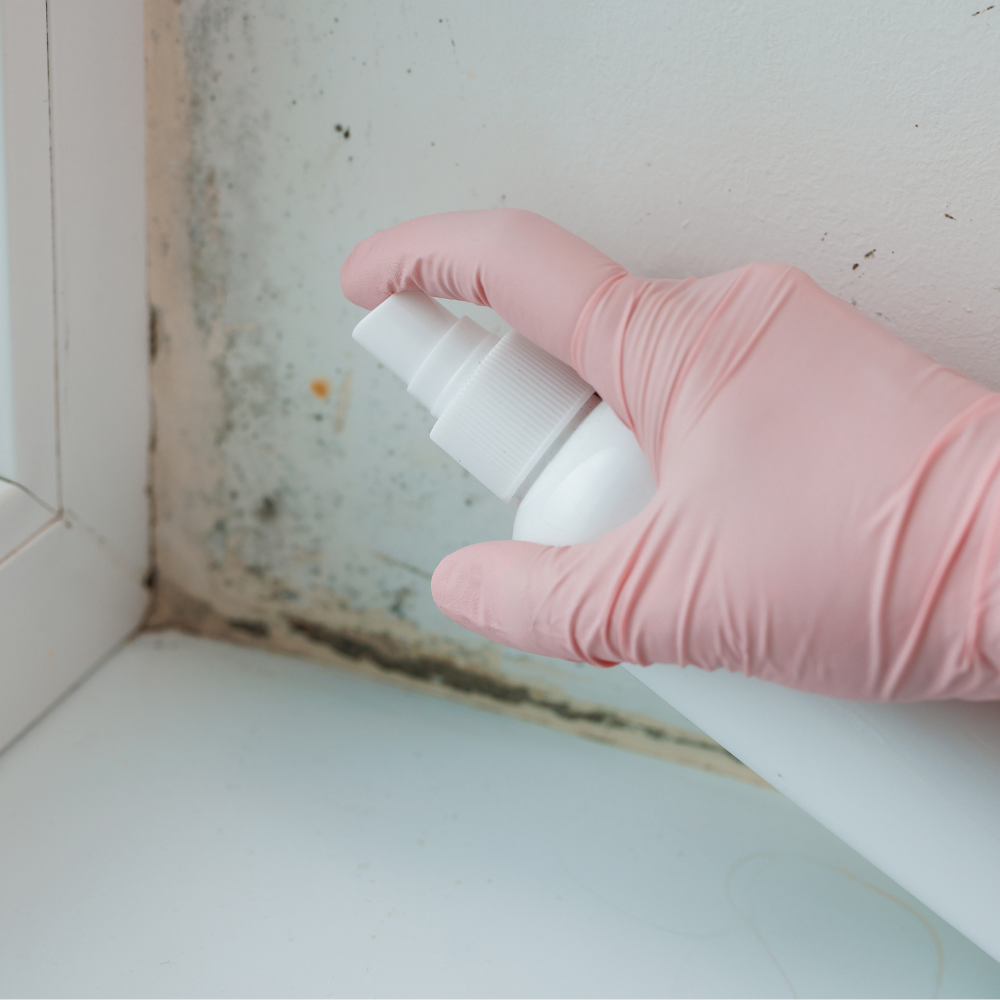
Regularly cleaning filters and draining collection tanks prevents moisture buildup, ensuring your AC and dehumidifier remain mold-free and efficient.
Understanding Moisture, HVAC, and Mold Growth
Mold spores are naturally present in the air around us every day. On their own, they are harmless and invisible, but when they land on a damp surface with a bit of organic material and the right temperature, they can begin to grow. Everyday activities such as cooking, showering, washing clothes, and even breathing release moisture into indoor air. When that moisture is not removed or controlled, it condenses on cool surfaces or lingers in the air, creating the perfect environment for mold colonies to form.
Bathrooms, kitchens, basements, laundry rooms, and poorly ventilated bedrooms are common trouble spots because moisture builds up easily in these spaces. These are also the same areas typically cooled or dried by air conditioners and dehumidifiers. When those systems are clean, properly sized, and well-maintained, they help keep humidity in a safe range. When they are neglected, they can actually become part of the moisture and mold problem instead of the solution.
How Air Conditioners and Dehumidifiers Control Humidity
An air conditioner cools indoor air while removing some of its moisture as condensate. When a system is correctly sized and maintained, it runs long enough to pull humidity out of the air and drain it away safely. Oversized or poorly maintained units tend to short-cycle, cooling the room quickly but shutting off before enough moisture is removed. Dirty filters, clogged coils, and blocked drain lines make the problem worse by restricting airflow and allowing water to collect inside the unit.
Dehumidifiers work by drawing in moist air, condensing the water, and releasing drier air back into the room. They are especially useful in damp spaces like basements and laundry rooms, and they complement air conditioners rather than replacing them. A neglected dehumidifier, however, can become a mold source if standing water is left in the tank or internal parts stay damp and dirty.
Recognizing High Humidity and Mold Risks
Fogged windows, musty smells, damp walls, peeling paint, and visible mold around vents or in corners are classic signs that humidity is too high. Even without visible mold, a persistent sticky feeling on the skin or stuffy indoor air can signal trouble. Using a hygrometer to measure humidity in different rooms provides clear guidance. For mold prevention, most homes should stay between 30 and 50 percent relative humidity.
Mold exposure can trigger allergy-like symptoms, asthma flare-ups, and respiratory irritation, particularly in children, older adults, and people with weakened immune systems. Over time, mold can also damage drywall, wood framing, insulation, and flooring. Repairing that damage and performing mold remediation is far more expensive and disruptive than keeping humidity under control in the first place.
Setting and Monitoring the Right Humidity Levels
The recommended indoor humidity range of 30 to 50 percent balances comfort with mold prevention. Levels above 60 percent dramatically increase the risk of mold, especially in dark or poorly ventilated areas. Climate and season matter. In hot, humid regions, staying closer to 45 to 50 percent is realistic, while colder climates may require slightly lower levels in winter to prevent window condensation.
Hygrometers are inexpensive and easy to use. Place them in basements, bathrooms, and near AC returns to get a realistic picture of indoor moisture. Regular readings help determine whether your air conditioner and dehumidifiers are working effectively or need maintenance. Adjust settings seasonally rather than relying on guesswork.
Safety First Before Any Maintenance
Always turn off and unplug equipment before cleaning or servicing it. For central systems, shut down the unit at the thermostat and circuit breaker. For window units and portable dehumidifiers, unplug them from the wall outlet and give them a few minutes to cool.
Follow manufacturer instructions closely. Each model has specific cleaning schedules and approved products. Use gentle, non-abrasive cleaners, soft cloths, a vacuum with a brush attachment, and mild detergent solutions. Wear gloves, eye protection, and a mask when cleaning moldy areas, and stop DIY work if mold is extensive or keeps returning.
Routine Maintenance for Air Conditioners
Filters trap dust, pollen, and mold spores before they circulate through your home. Clogged filters restrict airflow, reduce cooling efficiency, and increase humidity. Check filters monthly and replace or clean them every one to three months, depending on use, pets, and air quality. Make filter changes a habit.
Clean supply and return vents regularly to remove dust buildup and inspect for moisture or staining. Keep outdoor condenser units clear of leaves and vegetation to maintain proper airflow. Inspect condensate drain lines and pans for standing water, rust, or slime, and flush or clean them as needed. Annual professional HVAC tune-ups catch hidden problems early and keep systems running efficiently.
Maintaining Window Units and Dehumidifiers
Window and portable AC units need frequent filter cleaning because they often operate in small, enclosed rooms. Let washable filters dry completely before reinstalling them. Clean coils gently to prevent musty odors and efficiency loss, and keep drip trays and drain plugs clear so condensate does not stagnate.
Dehumidifier tanks should be emptied daily or as needed and washed with warm, soapy water. Clean or replace filters regularly and vacuum intake grilles. Inspect coils and internal surfaces for dust and biofilm. If using a continuous drain hose, check for kinks, clogs, and proper slope.
Condensate Management and Airflow
Condensate is a normal byproduct of cooling and dehumidification, but mismanaged water is a leading cause of mold. Keep drain lines, pans, and pumps clean and functioning. Direct discharge water away from the home’s foundation.
Good airflow prevents stagnant pockets of humidity. Avoid blocking vents with furniture, use ceiling or oscillating fans, and run exhaust fans during and after cooking or showering. Be strategic about opening windows, especially in humid weather.
Long-Term Mold Prevention Strategies
Whole-home dehumidifiers, improved insulation, and air sealing can provide consistent moisture control in chronically damp homes. Smart thermostats and humidity controllers help maintain stable conditions automatically. Mold-resistant materials in renovations add another layer of protection.
Develop a written maintenance plan that includes filter changes, seasonal cleanings, condensate checks, and annual professional inspections. Consistency is what keeps mold problems from returning.
Conclusion
Mold prevention depends on effective moisture control, and air conditioners and dehumidifiers are central to that effort. When these systems are clean and well-maintained, they keep humidity in a safe range and create conditions that discourage mold growth. Small daily habits, seasonal routines, and occasional professional help work together to protect both health and property.
Understanding how moisture behaves indoors empowers homeowners to take practical, targeted action. With regular maintenance, smart monitoring, and thoughtful upgrades, it is entirely possible to maintain a cleaner, healthier, mold-resistant home.
FAQs
Routine maintenance plays a huge role in mold prevention. Air conditioner filters should be checked every month and cleaned or replaced every one to three months, depending on usage, pets, and indoor air quality. Dehumidifiers need even more hands-on care. Empty and rinse water tanks regularly to prevent stagnant moisture, and clean filters according to the manufacturer’s guidelines. Coils should be wiped down seasonally, especially before heavy-use months. On top of DIY maintenance, scheduling a professional HVAC inspection once a year helps catch hidden moisture issues, clogged drain lines, or early mold growth before it spreads.
Indoor humidity should stay between 30 and 50 percent to discourage mold. Anything consistently above 60 percent creates an ideal breeding ground for spores. Hygrometers are inexpensive tools that make it easy to monitor humidity in different rooms, especially basements, bathrooms, and laundry areas. Adjusting air conditioning settings and running a dehumidifier during humid seasons can help keep moisture levels balanced year-round.
A musty odor often means mold or bacteria are growing on evaporator coils, inside the drain pan, or along the condensate line. While the smell itself may seem minor, it can contribute to poor indoor air quality and respiratory irritation over time. Start by cleaning or replacing filters and checking visible moisture areas. If odors return quickly or spread through vents, a professional inspection is recommended.
Yes, and it’s more common than many homeowners realize. Standing water, dirty filters, and clogged drainage hoses can turn a dehumidifier into a mold source instead of a solution. Regular cleaning keeps the unit working efficiently and prevents moisture buildup inside internal components.
Call a professional when visible mold appears, musty odors keep coming back after cleaning, or leaks continue to return. Mold suspected inside ductwork or near coils should always be handled by an expert. HVAC professionals go beyond surface cleanup by identifying hidden moisture issues, repairing drainage problems, and improving airflow. This thorough approach helps stop mold at the source, prevents repeated outbreaks, and protects indoor air quality for a healthier, safer home environment.
