
Explaining the Relationship Between Humidity and Mold in Arizona Homes
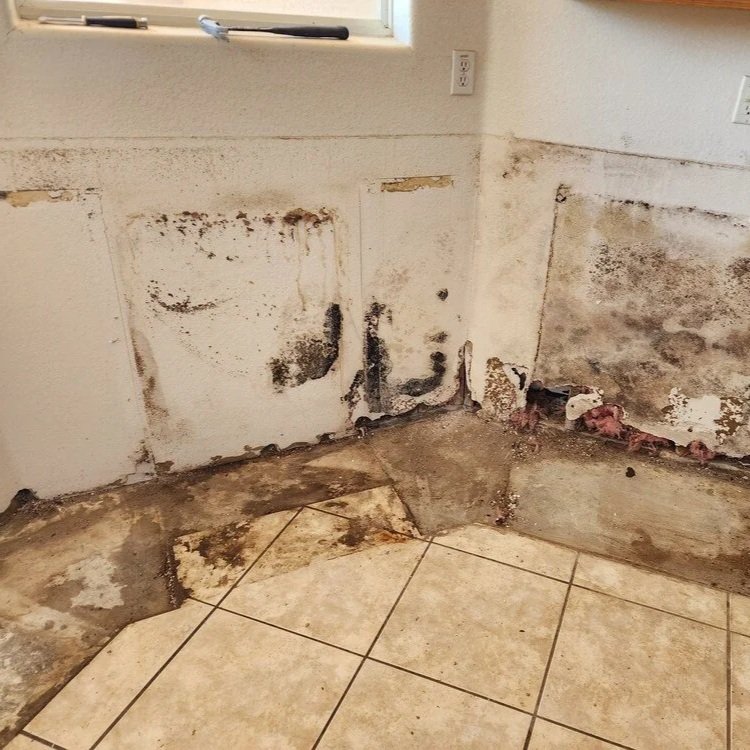
Even in dry desert climates like Goodyear, indoor humidity can create microclimates that allow mold to thrive behind walls.
Why Humidity and Mold Matter in Arizona Homes
Arizona is known for its dry desert climate, but homeowners may be surprised to learn that mold is still a common problem. While outdoor air is often arid, indoor environments can develop pockets of elevated humidity ideal for mold growth. Modern construction techniques, energy-efficient insulation, and daily lifestyle habits can trap moisture inside, creating surprisingly damp microclimates. Understanding the connection between humidity and mold is crucial not only for maintaining a home’s value but also for protecting indoor air quality and the health of residents, particularly children, seniors, and those with allergies or asthma.
This guide will break down the essentials of humidity and mold, explain why Arizona homes face unique challenges in certain seasons, and provide practical strategies for recognizing, measuring, preventing, and remediating indoor moisture problems. By the end, homeowners will have actionable knowledge to protect their homes and families from mold-related issues.
Understanding Humidity: The Basics Arizona Residents Need to Know
Relative Humidity (RH) and Its Impact
Relative humidity describes how much moisture is in the air compared to the maximum it can hold at a given temperature.For example, 30% RH feels dry, while 60% RH feels noticeably damp. Mold becomes a concern when RH consistently exceeds about 60%, particularly in enclosed spaces like bathrooms, closets, and kitchens. Arizona residents often underestimate indoor moisture because the desert outdoors is dry, but indoor activities and sealed homes can create humid microclimates.
Absolute Humidity and Dew Point
Absolute humidity measures the actual water vapor in the air, regardless of temperature, while the dew point is the temperature at which condensation occurs. Even in Arizona, cool surfaces such as AC ducts, north-facing walls, or uninsulated pipes can reach the dew point and collect moisture. These wet spots are prime locations for mold growth. Recognizing dew point and condensation is critical for preventing hidden mold problems in seemingly dry homes.
Seasonal Patterns and Daily Activities
Arizona experiences dry months as well as monsoon season, during which outdoor humidity spikes. If homes are not ventilated or air conditioning is adjusted appropriately, indoor RH rises, creating conditions favorable to mold. Daily activities—showering, cooking, doing laundry, running humidifiers, and even breathing—also add significant moisture to the air. In tightly sealed homes, this moisture accumulates, increasing the risk of mold in bathrooms, kitchens, laundry rooms, and closets.
Ideal Humidity Ranges
For comfort and mold prevention, Arizona homes should aim for an indoor RH between 30–50%. Lower values are typical in the desert, but going too low can cause dry skin and wood damage, while values above 50–60% increase mold risk. Monitoring and managing RH with tools like hygrometers or smart sensors is the first line of defense in maintaining a safe indoor environment.
The Science of Mold Growth
Mold requires four main elements to thrive: spores, a food source, favorable temperatures, and moisture. Spores are always present in homes, and most interior temperatures fall within the mold’s comfort range. This makes moisture the primary factor homeowners can control. Mold doesn’t need standing water—persistent dampness or high humidity is enough.
When RH remains above 60%, surfaces like drywall, wood, and fabrics can absorb moisture and allow colonies to establish. Even short bursts of high humidity rarely cause mold if the area dries quickly, but repeated or sustained dampness is a significant risk. Temperature variations within the home—especially around air-conditioned rooms or cooler surfaces—create microclimates where condensation collects, and mold thrives.
Common Arizona molds include Cladosporium, Penicillium, Aspergillus, and sometimes Stachybotrys (“black mold”). These can appear on windows, in bathrooms, on stored items, and in HVAC systems. Mold can grow quickly—often within 24–48 hours of surfaces becoming damp—making early detection and moisture control essential.
Why Arizona’s “Dry Climate” Still Has Mold Problems
Monsoon Season
Arizona’s monsoon season brings heavy rains and elevated humidity. Homes can experience spikes in indoor RH, especially if windows are opened or AC use is reduced. Rainstorms may also create hidden moisture in roofs, foundations, and window frames, making vigilance crucial during these months.
Urban Irrigation and Landscaping
Artificial moisture sources like irrigated lawns, swimming pools, and drip systems raise local humidity near homes.Overwatering can lead to damp soil against foundations and increased indoor moisture. Homeowners should recognize how yard design and watering habits may contribute to mold risk and adjust accordingly.
Energy-Efficient, “Tight” Homes
Modern construction emphasizes sealed, insulated homes to improve comfort and energy efficiency. While effective for cooling, these homes can trap moisture indoors without proper ventilation, raising RH in bathrooms, kitchens, and laundry rooms. Air conditioning may cool and dehumidify air, but if systems cycle too quickly or ducts are improperly insulated, condensation can form and encourage mold.
Older Homes vs. New Construction
Older homes may dry faster due to drafts, but are prone to leaks from aging roofs and plumbing. Newer homes may trap moisture despite better materials. Both present unique challenges; understanding the home’s age, materials, and systems helps tailor effective humidity control and mold prevention strategies.
Indoor Moisture Sources in Arizona Homes
Plumbing Leaks
Slow leaks behind sinks, toilets, or water heaters can create chronic dampness. These leaks are often hidden in utility closets or crawlspaces and should be identified through visual inspection, touch, or elevated humidity readings.
Bathrooms and Kitchens
Bathrooms frequently harbor mold due to steam and poor ventilation. Exhaust fans should run during and after showers, vented to the exterior. Kitchens also contribute moisture through cooking, dishwashing, and boiling water. Using range hoods and ventilating spaces reduces localized RH and lowers mold risk.
Laundry Rooms and Indoor Drying
Improperly vented dryers or indoor drying of clothes add moisture to the air. Ensure vents terminate outdoors, avoid indoor line-drying without airflow, and monitor RH during laundry activities.
Foundations, Crawlspaces, and Basements
Even slab-on-grade homes can experience moisture wicking through concrete or foundation cracks. Crawlspaces and basements may trap humid air and foster mold if ventilation is insufficient. Proper grading, drainage, and vapor barriers are essential preventive measures.
Measuring and Monitoring Humidity
Hygrometers are an affordable, easy way to track indoor RH. Place units in key rooms—bathrooms, kitchens, and bedrooms—to detect trends. Modern smart sensors and HVAC integrations offer real-time monitoring and automated alerts when humidity exceeds set thresholds. Spot-checking high-risk areas like under sinks or behind furniture helps identify localized moisture issues. Tracking RH data allows homeowners to set seasonal targets—generally 30–40% in winter and 40–50% during the monsoon—ensuring proactive mold prevention.
Health Effects of Mold Exposure
Mold spores can trigger allergies, asthma flare-ups, and respiratory irritation, compounding Arizona’s dusty environment. Certain molds produce mycotoxins, which may pose additional risks, though not all molds are toxic. Vulnerable groups—including children, seniors, pregnant individuals, and immunocompromised residents—require particular attention. Maintaining low humidity, prompt leak repair, and proper ventilation is critical for protecting indoor air quality and overall health. Persistent or unexplained symptoms should be evaluated by healthcare providers, alongside environmental inspections.
Preventing Mold by Controlling Humidity
Effective strategies focus on ventilation, dehumidification, and building maintenance. Bathrooms and kitchens should use exhaust fans and vent hoods, while dehumidifiers can help in basements, crawlspaces, or interior bathrooms. Smart thermostats and HVAC systems with humidity controls improve precision, and building envelope maintenance—including roof, gutter, and window inspections—prevents moisture intrusion. Daily habits, like covering pots, wiping down showers, and avoiding indoor drying of wet clothes without ventilation, support long-term prevention.
Identifying Early Signs of Mold
Visual clues like stains, discoloration, peeling paint, and musty odors often precede visible mold growth. Condensation on windows, sweating pipes, or damp surfaces signals microclimate problems. DIY mold kits can provide limited insight but should not replace thorough inspection. Common hotspots include bathrooms, under sinks, kitchens, HVAC systems, attics, and garages. Regional factors—from urban heat islands in Phoenix to monsoon storms in Tucson or snow melt in northern Arizona—also influence mold risk and should guide preventive practices.
Remediation and Long-Term Strategies
Assess the scope of mold before acting: small surface growth may be cleaned safely, but extensive mold, hidden contamination, or HVAC involvement requires professionals. Homeowners should document leaks, humidity readings, and repairs, and coordinate with insurance if applicable. Post-remediation, ongoing monitoring, regular maintenance, and education of household members ensure long-term mold resistance. Renovations can incorporate mold-resistant materials, proper ventilation, and drainage to further reduce risk. Balancing comfort, energy efficiency, and humidity control is achievable with informed strategies.
Conclusion: Managing Humidity for Healthier Arizona Homes
Even in Arizona’s dry climate, indoor moisture can support mold growth. Understanding relative humidity, dew point, condensation, and mold requirements allows homeowners to recognize risk, act early, and maintain safe indoor conditions. Practical measures—ranging from daily habits to HVAC optimization, ventilation, and building maintenance—are essential for preventing mold and protecting health. Swift remediation combined with moisture control restores a safe environment, ensuring that Arizona homes remain comfortable, energy-efficient, and mold-free.
FAQs
Yes. Indoor environments create microclimates with moisture from showers, cooking, leaks, and monsoon humidity. Mold needs local dampness, not a humid overall climate, so indoor moisture control is key.
Indoor RH above 50–60% is generally risky. Aim for 30–50%, adjusting slightly for seasonal comfort. Persistent high RH should be addressed with ventilation, dehumidifiers, or HVAC adjustments.
Humidity-related mold often appears diffusely on walls and ceilings, while leaks create localized patterns near fixtures or roofs. Look for staining, peeling paint, or warping, and use hygrometers to compare RH across rooms.
Not always. Visible mold and known moisture sources may justify cleanup and moisture control. Professionals are recommended for hidden, extensive, or recurring mold, HVAC contamination, or health concerns.
