
How To Prevent Water Leaks That Contribute to Mold in Goodyear, AZ
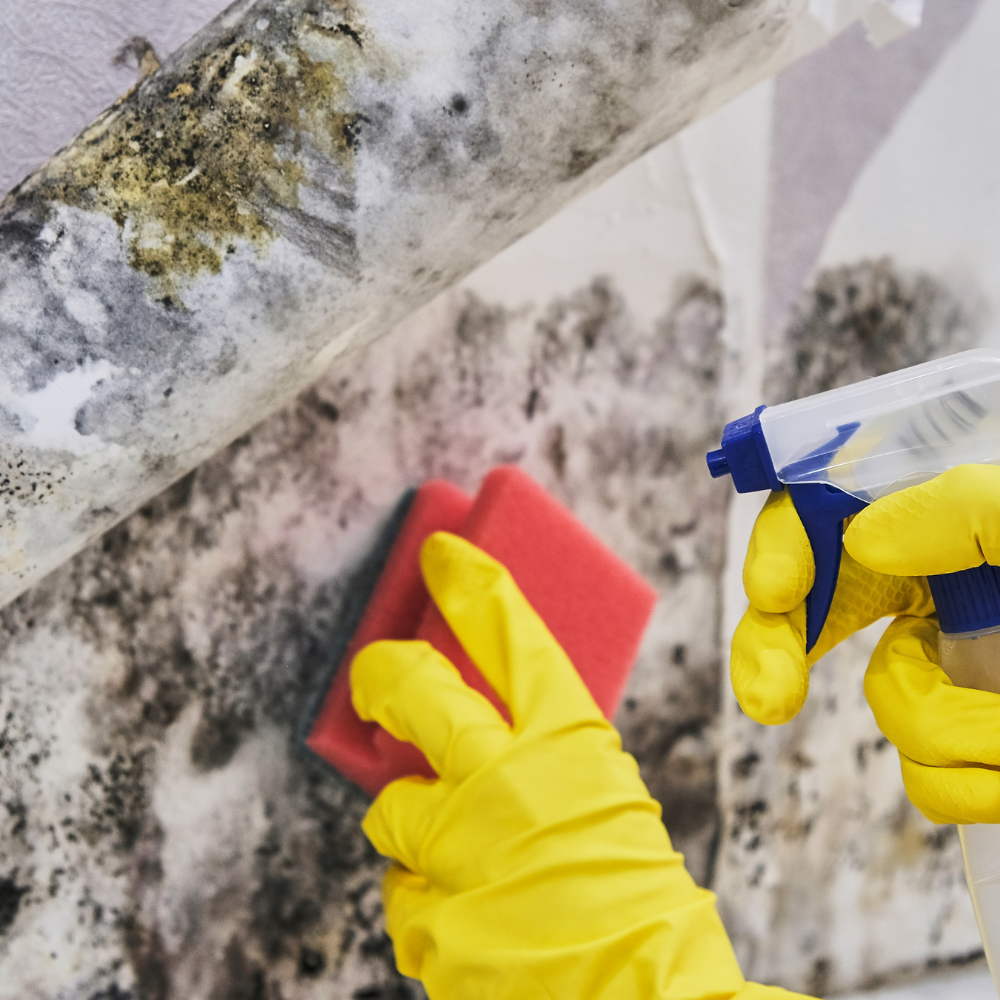
Don't let the desert heat fool you; undetected indoor plumbing leaks are the leading cause of mold in Arizona.
Water leaks are one of the most common — and most underestimated — causes of mold growth in residential homes. In Goodyear, AZ, many homeowners assume the dry desert climate naturally protects their property from moisture-related issues. Unfortunately, that assumption often leads to delayed detection of leaks, allowing mold to quietly develop behind walls, under floors, and in ceiling cavities.
Preventing water leaks before they create mold problems is far easier and more cost-effective than dealing with remediation later. By understanding how leaks form, how Goodyear’s climate contributes to hidden moisture, and how to implement proactive inspection and maintenance strategies, homeowners can significantly reduce the risk of mold-related damage and health concerns.
This guide walks through the most common leak sources, warning signs of mold, inspection strategies, and long-term prevention methods specifically tailored to homes in Goodyear, AZ.
Understanding Water Leaks, Mold, and the Goodyear Climate
Mold requires three basic elements to grow: moisture, organic material, and the right temperature. Homes provide plenty of organic material — drywall, wood framing, insulation, dust, and fabrics. Temperatures inside Arizona homes are also ideal for mold growth year-round due to air conditioning and insulation. That leaves moisture as the critical factor, and even small leaks can supply enough water for mold to thrive.
Unlike one-time spills or brief condensation events, slow or hidden leaks continuously feed moisture into building materials. Plumbing drips, roof leaks, appliance line failures, and HVAC condensation issues often go unnoticed for weeks or months. During that time, moisture spreads through porous materials, allowing mold colonies to establish and expand.
Beyond visible damage, mold can negatively affect indoor air quality. Exposure may trigger allergies, worsen asthma, and cause respiratory irritation — especially for children, seniors, and individuals with compromised immune systems. Structurally, mold weakens drywall, damages wood framing, deteriorates insulation, and accelerates material decay.
In Goodyear, AZ, moisture sources may not be obvious, but they are persistent. Monsoon storms, landscape irrigation, evaporative cooling effects, and constant air conditioning use create conditions where leak prevention becomes the most effective mold-control strategy available to homeowners.
How Goodyear’s Climate Influences Leak and Mold Risk
Goodyear’s hot, arid climate gives a false sense of security when it comes to moisture problems. While average humidity is low, localized moisture sources are common — and often intense. Summer monsoon storms bring heavy rainfall in short bursts, testing roofs, flashing, stucco exteriors, and drainage systems.
Extreme heat and UV exposure also accelerate material breakdown. Caulking dries out, seals shrink, roofing underlayment becomes brittle, and stucco develops hairline cracks. These openings allow water intrusion during storms or irrigation cycles. Because rain events may be infrequent, leaks often remain unnoticed until visible damage or mold odors appear.
Irrigation systems present another risk unique to desert communities. Misaligned sprinkler heads, overspray against walls, and leaking valves can saturate soil around foundations. Over time, this moisture migrates into slab foundations, walls, and flooring materials, creating ideal mold conditions beneath finished surfaces.
Air conditioning systems also play a major role. Continuous AC use produces condensation that must drain properly. Clogged drain lines, damaged pans, or poorly sealed ducts can leak moisture into attics, ceilings, or walls — areas where mold thrives undetected.
In Goodyear homes, leaks commonly develop in attics, wall cavities, around windows, near foundations, and beneath plumbing fixtures. Understanding how the local climate stresses building materials helps homeowners take targeted preventive action.
Common Leak Sources and Early Signs of Mold
Mold rarely starts in obvious places. Instead, it develops where water lingers out of sight. Common leak sources in Goodyear homes include:
Under sinks in kitchens and bathrooms
Around toilets, tubs, and shower plumbing
Water heaters and softener systems
Washing machines, dishwashers, and refrigerator water lines
AC units, condensate drain lines, and attic ductwork
Windows, doors, and stucco exterior cracks
Tile roof underlayment failures
Slab foundation leaks
Water often travels along framing, pipes, or subflooring, meaning mold growth may appear far from the original leak. A roof leak, for example, may cause mold behind a wall several feet away from the entry point.
Early warning signs should never be ignored. These include musty or earthy odors, unexplained water stains, bubbling or peeling paint, warped baseboards, loose tiles, soft cabinetry, unexplained increases in water bills, or visible condensation where it should not exist.
Addressing these signs early dramatically reduces repair costs and minimizes health risks. Waiting until mold becomes visible often means extensive remediation and material replacement.
Inspecting Your Home and Detecting Hidden Leaks
A systematic inspection routine is essential for leak prevention in Goodyear homes. Rather than waiting for obvious damage, homeowners should adopt a proactive approach using a written checklist and consistent documentation.
Interior inspections should focus on high-risk moisture areas. Kitchens, bathrooms, and laundry rooms deserve special attention. Check under-sink cabinets for dampness or swelling, inspect toilet bases for moisture, examine grout and caulking around tubs and showers, and monitor appliance hoses and connections.
Laundry rooms and kitchens should be inspected for floor warping, slow leaks from washing machines or dishwashers, and moisture near refrigerator water lines. Water heaters should be checked for corrosion, leaking valves, or damp flooring.
Hidden spaces are just as important. Attics should be inspected for water stains, wet insulation, mold odors, or visible discoloration. Areas behind access panels, inside closets adjacent to plumbing walls, and around HVAC components often reveal early warning signs.
Exterior inspections should include stucco surfaces, rooflines, flashing, window seals, door thresholds, and foundation areas. Look for cracks, peeling paint, gaps, or discoloration. Irrigation systems should be checked for overspray, pooling water, or leaking valves that keep soil constantly damp near the home.
Tools like moisture meters and infrared thermometers can help detect hidden dampness. When leaks are suspected but not visible, professional leak detection services offer non-invasive solutions.
Preventing Plumbing and Appliance Leaks
Plumbing failures remain one of the leading causes of indoor water damage. Regular inspection and proactive replacement of aging components is critical. Supply lines, hoses, valves, and connectors should be checked for corrosion, cracking, or bulging.
Upgrading to braided stainless steel hoses for washing machines, dishwashers, and toilets provides greater durability. These hoses should still be replaced every five to seven years as part of routine maintenance.
Water pressure also plays a major role. Excessive pressure stresses pipes, fittings, and appliances, increasing leak risk.Installing or maintaining a pressure-reducing valve helps protect the entire plumbing system.
HVAC systems require special attention in Goodyear due to constant use. Condensate drain lines must remain clear, drip pans intact, and coils properly maintained. Blocked drains are a common cause of attic and ceiling leaks.
Smart leak detection devices and automatic shut-off systems offer added protection. These systems alert homeowners to leaks early and can shut off the water supply automatically — particularly valuable for seasonal residents or vacation properties.
Roof, Attic, and Gutter Maintenance
Roofs are a critical defense against water intrusion, yet they endure constant exposure to heat, UV radiation, and sudden storms. Tile roofs, asphalt shingles, and flat roofs all have common failure points, including cracked tiles, damaged underlayment, deteriorated flashing, and worn sealants.
Visual roof inspections should be performed regularly, with professional evaluations scheduled as needed. Flashing around vents, skylights, and chimneys deserves close attention, as these areas often fail first.
Attics should remain dry, well-ventilated, and free of condensation. Wet insulation, staining, or mold odors indicate a problem that requires immediate investigation. Proper attic ventilation reduces moisture buildup and extends roof life.
While gutters are less common in some desert designs, homes that have them must keep them clean and properly directed. During monsoon storms, clogged or misaligned gutters can cause water to pool near foundations and walls, increasing mold risk.
Protecting Bathrooms, Kitchens, and Utility Spaces
Bathrooms, kitchens, and utility areas are high-risk zones for both leaks and mold. Maintaining effective seals is essential. Showers, tubs, backsplashes, and wet walls should be sealed with mold-resistant caulk and grout, and re-sealed as materials age.
Ventilation plays a major role in moisture control. Exhaust fans should be used during and after showers, cooking, and laundry cycles to reduce indoor humidity. Fans should vent outdoors, not into attics or wall cavities.
Utility spaces housing water heaters, washing machines, or softeners should include water-resistant flooring and drain pans where possible. Hoses, valves, and connections should be visible and accessible for inspection. Leak alarms provide early warnings before water spreads.
Maintaining clean, dry surfaces and responding immediately to moisture prevents hidden mold from gaining a foothold in these frequently used spaces.
Working with Professionals and Building a Long-Term Plan
Preventing leaks and mold is not a one-time task — it requires an ongoing strategy. Licensed plumbers, roofers, HVAC technicians, and mold specialists familiar with Goodyear’s climate can identify vulnerabilities that homeowners may overlook.
Professional inspections are especially important when leaks recur, moisture persists, or damage is suspected behind walls or under slabs. Mold inspection and remediation services are essential when health concerns arise or visible growth appears.
Maintaining detailed documentation of inspections, repairs, warranties, and insurance claims strengthens protection and simplifies future maintenance decisions. A long-term plan that includes scheduled plumbing checks, HVAC servicing, roof evaluations, and moisture monitoring provides a layered defense against mold.
By combining routine maintenance, smart technology, and professional support, Goodyear homeowners can protect both their property value and indoor air quality.
Conclusion
Water leaks — from plumbing, roofs, HVAC systems, appliances, or irrigation — are the primary drivers of mold growth in Goodyear homes. Despite the desert climate, localized moisture from monsoon rains, irrigation systems, and continuous air conditioning creates conditions where mold can develop quickly and quietly.
Preventing mold begins with understanding how local climate factors affect building materials, inspecting high-risk areas consistently, and addressing leaks immediately. A proactive, multi-layered approach that includes regular inspections, preventive maintenance, leak detection technology, proper ventilation, and professional support offers the best protection.
By staying vigilant and addressing small issues before they escalate, homeowners in Goodyear, AZ, can maintain healthier, drier, and more durable homes with significantly reduced mold risk.
FAQs
Seasonal inspections are ideal, especially before and after monsoon season, following major storms, and at least twice a year to catch hidden leaks early.
Musty odors, unexplained water stains, warped surfaces, soft cabinetry, condensation, or unusually high water bills are common early indicators.
Yes. Air conditioning use, plumbing systems, irrigation, and monsoon rains can create localized moisture pockets that support mold growth indoors.
Professional help is recommended for ongoing moisture issues, recurring mold, large leaks, slab or behind-wall water intrusion, or when health concerns are present.
Control indoor humidity, fix leaks promptly, use exhaust fans in bathrooms and kitchens, maintain roofs and HVAC systems, and inspect high-risk areas regularly. Consistent small actions are more effective than occasional large cleanups.
