
Hard Water in Arizona Homes: Is It Contributing to Water Damage?
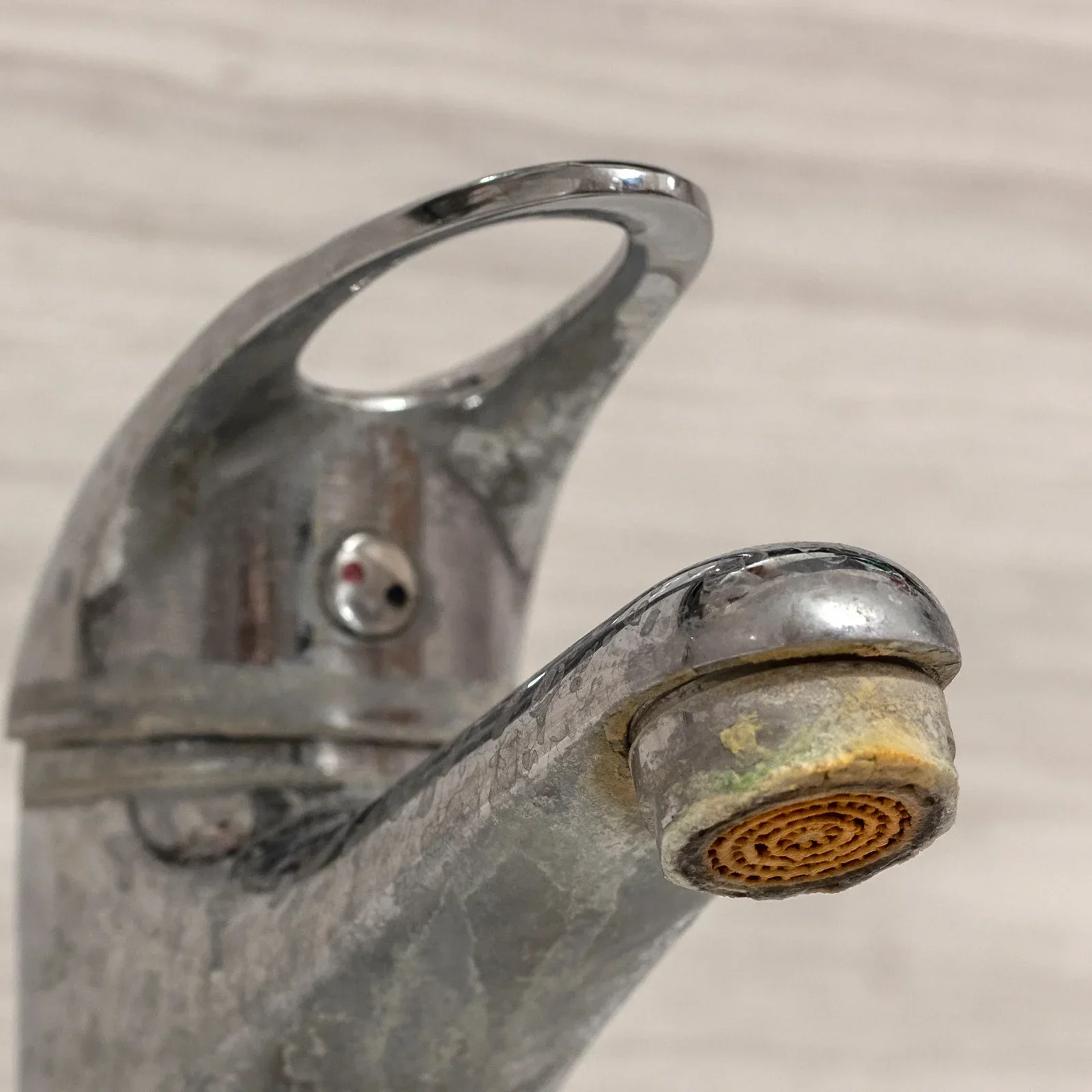
Mineral buildup may look harmless on the surface, but it slowly narrows water lines, strains fittings, and causes stress fractures in valves and seals.
Arizona has some of the hardest water in the country. Blame the desert, the aquifers, or the ancient seabeds beneath your feet. The water here carries high levels of calcium and magnesium, which makes it technically safe to drink but not so gentle on plumbing or appliances.
Hard water leaves behind mineral deposits called scale. You may notice it as a chalky white buildup around faucets or a crusty ring inside your coffee maker. What you do not always see is what is happening inside your pipes, valves, and water-using appliances.
Water damage restoration professionals often see the silent effects of hard water long before homeowners do. Mineral buildup may look harmless on the surface, but it slowly narrows water lines, strains fittings, and causes stress fractures in valves and seals. Over time, that stress can lead to hidden leaks, slow drips, or even sudden pipe bursts that require immediate restoration services.
How Scale Contributes To Appliance Leaks
Hard water is particularly unkind to water heaters, dishwashers, washing machines, and ice makers. Scale builds up inside these systems, interfering with sensors, reducing efficiency, and making moving parts work harder than they should. Eventually, seals start to fail, hoses crack, and pressure builds where it should not.
One of the more common calls for water damage restoration starts with an appliance leak. A homeowner walks into the kitchen and finds water seeping from underneath the fridge. What appears to be a faulty appliance is often a symptom of prolonged exposure to hard water.
Water heaters take the biggest hit. Scale collects at the bottom of the tank, reducing heating efficiency and creating hot spots that can cause the inner lining to crack. The result? Leaks that might go unnoticed for days if the heater sits in a closet or garage. Professionals are often called in to mitigate water damage long after the leak has soaked into the drywall or seeped under the flooring.
Pipe Restrictions And Pressure Problems
Pipes do not like hard water either. Over time, scale builds inside copper, galvanized, and even PEX pipes, restricting water flow and increasing internal pressure. Faucets may sputter, showers lose pressure, and toilets take longer to fill, all signs that water is struggling to flow through a clogged system.
What does that have to do with water damage? Increased pressure behind narrowed pipes can cause fittings to loosen or even rupture. A tiny leak behind the wall may start as an annoying stain or damp patch, but can quickly turn into warped drywall, peeling paint, or mold growth. Water damage restoration teams often identify the problem as a single connection that has been stressed by mineral buildup.
Old plumbing is especially vulnerable. In some Arizona homes, older pipes that were not designed to withstand hard water over the long term begin to fail from the inside out. Restoration professionals working in areas such as Mesa, Glendale, or Tucson often encounter a mix of outdated pipe materials and high mineral content, creating the perfect conditions for hidden leaks and long-term damage.
Fixture Failures That Lead To Unexpected Leaks
Faucets, showerheads, and toilet fill valves all contain small moving parts that hard water loves to disrupt. Mineral buildup affects gaskets and washers, often causing them to warp, dry out, or become brittle. Once these parts fail, drips turn into trickles, and trickles turn into pooling water under sinks, vanities, and toilets.
Restoration professionals are frequently called to address moisture problems around bathroom vanities or under kitchen sinks. The source? A failed supply line or faucet fitting that degraded faster because of constant exposure to hard water. Scale around valves and connection points is not just an eyesore; it is often the precursor to a leak.
In many cases, these leaks remain unnoticed until damage occurs to surrounding cabinetry, flooring, or baseboards. By the time visible signs appear, the water has already been at work for days or weeks behind the scenes.
Clogged Drains And Slow Flow Can Mask Water Intrusion
Drains that clog repeatedly may be telling a deeper story. Hard water can also create scale inside drain lines, especially in homes without water softeners. Slow drainage may cause backflow in showers, laundry rooms, or sinks, allowing water to sit longer than it should.
That standing water seeps into grout lines, tile seams, or floor cracks. Eventually, it reaches the subfloor or spreads into wall cavities. Restoration teams often find mold or water damage behind walls where water never drained properly. Homeowners may have noticed a lingering musty odor but never connected it to a slow drain.
Professionals understand that the impact of hard water extends beyond plumbing efficiency. It interferes with drainage and drying, creating the perfect environment for long-term moisture problems that require professional water damage restoration.
Humidifiers, HVAC Systems, And Hidden Leaks
In drier parts of Arizona, whole-house humidifiers are sometimes installed to improve comfort. But when these systems use hard water, mineral buildup can affect both the humidifier and the connected HVAC ductwork. Over time, moisture can accumulate in or around the unit, leading to corrosion or even leakage inside ceiling cavities or walls.
Hard water also increases the chance of clogged condensate drain lines in HVAC systems. When those lines clog, water can back up into the system and overflow onto floors or into ducts. Restoration professionals often respond to hidden water damage that started with a seemingly minor HVAC malfunction triggered by scale buildup.
Because these leaks are often slow and seasonal, they frequently go unnoticed until visible damage or mold appears. Restoration teams must not only dry the area but also identify the underlying mechanical or plumbing issue to prevent a repeat event.
Water Softeners Help, But Maintenance Still Matters
Many Arizona homeowners turn to water softeners as a line of defense. These systems substitute calcium and magnesium with sodium or potassium, helping to reduce scale. But water softeners are not magic. If not correctly maintained, they may stop working effectively, or worse, over-soften water and introduce their own plumbing issues.
Even homes with softeners are not immune to damage if the system was installed after years of exposure to hard water. Restoration professionals often see water damage in homes where the softener was installed too late to protect aging appliances or pipes.
Maintenance plays a significant role. A neglected softener may clog, leak, or create brine discharge that damages floors or walls near the system. Restoration crews are aware of the importance of checking utility closets and garages for softener-related issues, particularly after a homeowner reports damp spots or unexplained water near plumbing equipment.
Spotting The Early Signs Of Hard Water Trouble
Some water damage problems appear to be ordinary wear until you start asking the right questions. If fixtures constantly need replacing, appliances keep leaking, or water pressure seems uneven, hard water may be the underlying cause.
Stains around faucets, cloudy glassware, or a gritty residue in the sink may seem cosmetic, but they signal a larger problem inside the pipes. Restoration professionals trained to detect water intrusion also look out for these signs. They know that early detection can prevent expensive restoration later.
Homeowners who notice frequent plumbing repairs, appliance breakdowns, or stubborn mineral stains may already be in the early stages of a water damage issue. The solution often includes both professional drying and addressing the hard water source to stop further damage.
Why Water Damage Restoration Professionals Pay Attention To Water Quality
Water damage is not always about floods or pipe bursts. Sometimes, it is about the quiet breakdown of plumbing systems that were not built to withstand mineral abuse over time. Restoration professionals in Arizona recognize the long-term effects of hard water and approach each job with both a short-term solution and a long-term perspective.
They know where to look for buildup, how to trace slow leaks, and what materials are most vulnerable to scale-related failure. Whether responding to a flooded laundry room or a warped wood floor, professionals understand that mineral-rich water leaves more than stains; it leaves a legacy of silent wear that can lead to serious damage.
Restoring a home means more than drying walls. It means understanding what caused the leak in the first place and how to prevent it from happening again. In Arizona, that often means factoring in the role hard water plays in slowly undermining the systems designed to keep water flowing exactly where it should.