
How Summer Weather in Goodyear, AZ, Affects Grout and Cleaning Methods
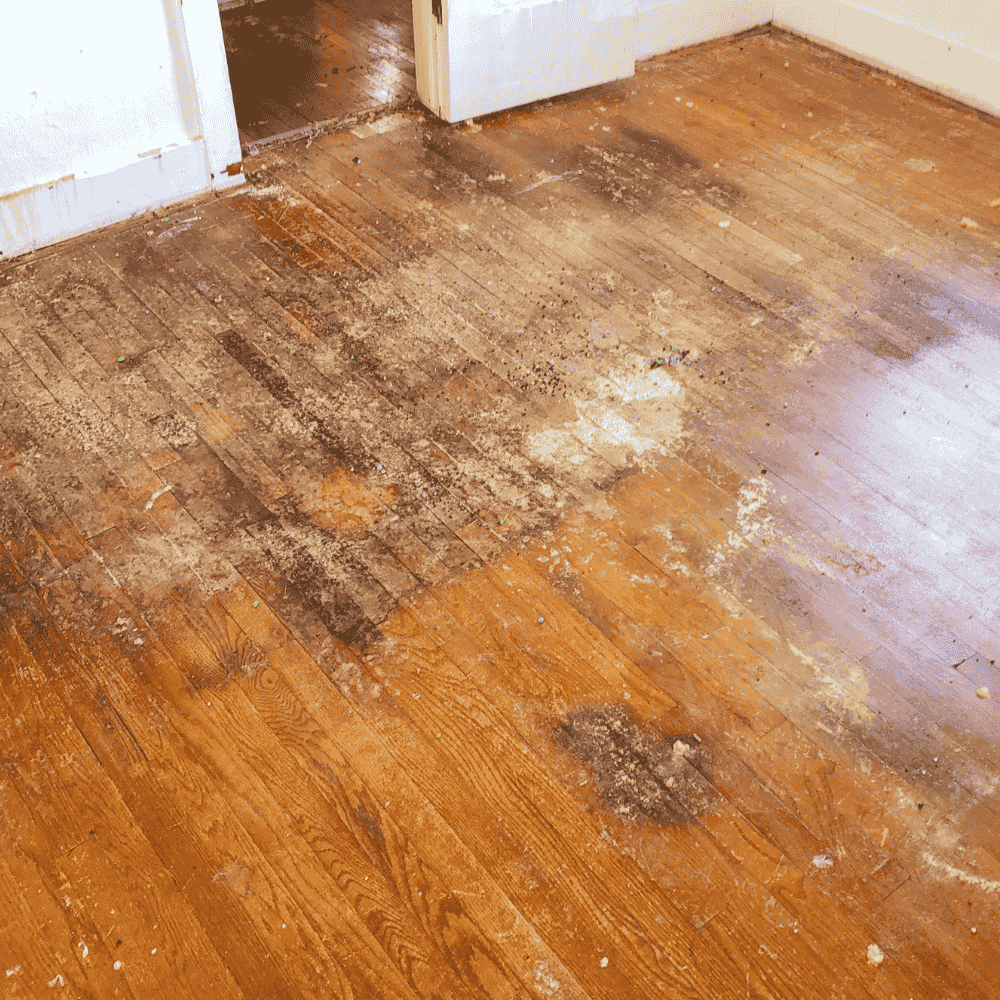
Goodyear’s intense summer heat evaporates grout moisture, leading to brittle lines that require specialized pH-neutral cleaning and professional sealing.
Summer in Goodyear, AZ, isn’t just hot—it’s relentless. Triple-digit temperatures, blazing sun, dust storms, and monsoon rains create a unique environment that takes a serious toll on tile and grout. While tile itself is relatively durable, grout is far more vulnerable to these conditions, often showing wear long before homeowners expect it.
Understanding how Goodyear’s desert climate impacts grout is essential for maintaining clean, attractive floors, patios, and pool areas. Cleaning methods that work well in cooler or more humid regions can actually accelerate damage here if they aren’t adapted to local conditions. With the right strategies, however, grout can withstand even the harshest summer months.
Understanding Grout and Goodyear’s Desert Climate
Grout is the porous material used to fill the joints between tiles, helping secure them while keeping moisture and debris from penetrating underneath. The most common types include cement-based grout, epoxy grout, and urethane grout.Cement grout is the most widely used but also the most susceptible to environmental damage, while epoxy and urethane offer greater stain and moisture resistance at a higher cost.
Unlike tile, grout readily absorbs moisture, dirt, oils, and cleaning chemicals. This porosity makes it especially sensitive to environmental stress. In Goodyear, summer conditions push grout to its limits. Temperatures regularly exceed 100°F, humidity stays extremely low for much of the season, and intense UV exposure breaks down protective sealers. Add monsoon dust storms and sudden downpours, and the ground experiences rapid wet-dry cycles that don’t occur in milder climates.
For homeowners and property managers, understanding these factors isn’t just about appearance. Proper grout care helps extend the life of tile installations, reduce repair costs, prevent indoor air quality issues, and protect property value. Generic cleaning advice found online often overlooks desert-specific challenges, making localized strategies essential in Goodyear.
How Goodyear’s Summer Conditions Affect Grout
Grout’s porous nature makes it highly reactive to heat, moisture, and environmental debris. In Goodyear’s summer heat, grout dries extremely fast, often too fast. This rapid evaporation can cause surface crusting, premature sealer failure, and micro-cracks that aren’t immediately visible but worsen over time.
Low humidity increases grout porosity, making it more absorbent. Spills, oils, and even cleaning solutions penetrate deeper before they can be wiped away. When monsoon rains arrive, hot grout can pull minerals, salts, and dirt into these pores as it cools, leading to staining and efflorescence—those white, chalky deposits that appear on the surface.
Dust and fine sand are constant issues in Goodyear. These particles settle into grout joints and act as abrasives under foot traffic, gradually eroding the grout surface. Outdoors, UV exposure accelerates color fading and breaks down sealers, while indoor-outdoor living increases the amount of dirt and moisture tracked inside.
Thermal expansion and contraction also play a role. Extreme temperature swings between day and night stress grout joints, increasing the risk of cracking, separation, and loosening over time. Recognizing these effects allows for cleaning and maintenance methods that work with the climate instead of against it.
Common Grout Challenges in Goodyear Summers
High Heat and Low Humidity
When temperatures soar above 100°F, grout dries rapidly. While this might sound beneficial, it often causes more harm than good. Sealers can weaken or fail prematurely, residues become trapped on the surface, and micro-cracks form as moisture evaporates too quickly. Low humidity makes grout especially “thirsty,” absorbing spills and cleaners almost instantly, which can result in blotchy staining or uneven appearance.
Monsoon Moisture and Dust Storms
Monsoon season introduces sudden wet-dry cycles that are tough on grout. Rainwater mixed with desert dust pushes dirt and minerals deep into grout joints. As the surface dries, salts migrate upward, leaving behind efflorescence or discoloration. Dust storms deposit fine sand that settles into joints and gradually wears grout down under everyday foot traffic.
UV Exposure and Outdoor Areas
Outdoor grout faces constant UV exposure during Goodyear summers. Sun-baked patios, walkways, and pool decks often show fading, chalking, and sealer breakdown. Shaded areas may seem protected, but can stay damp longer after rain or cleaning, creating conditions for algae, mildew, or dark staining.
High-Traffic Zones and Lifestyle Factors
Certain areas take more abuse than others. Kitchens, entryways, hallways, patios, and pool areas experience heavy traffic and frequent spills. Sunscreen, body oils, pool chemicals, pet activity, and summer entertaining all contribute to staining and wear. Commercial properties face even greater challenges due to constant foot traffic and frequent cleaning cycles.
Adapting Cleaning Methods for Desert Summers
Timing Matters
In Goodyear’s summer heat, timing is everything. Cleaning grout during the hottest part of the day causes cleaners to evaporate too quickly, leaving behind residues and streaks. Early morning or late evening is ideal, when temperatures are lower and cleaning solutions can work effectively. Avoid midday cleaning whenever possible, especially outdoors.
Tool Selection
Choosing the right tools helps prevent damage while improving results. Soft- to medium-bristle brushes clean effectively without scratching grout. Microfiber mops and cloths trap fine dust better than traditional materials. Vacuums with hard-floor attachments remove grit before it can embed in grout joints. Keeping tools clean is essential to avoid redistributing dirt.
Rinsing and Drying
Hot, dry conditions make thorough rinsing and immediate drying critical. Leftover cleaner residue can attract dirt or cause streaking. Use clean water for rinsing, then dry surfaces with microfiber towels or a wet/dry vacuum. This step is especially important outdoors and near pool areas, where minerals can quickly leave deposits.
Cleaner Choices
Neutral-pH cleaners are best for routine grout maintenance in Goodyear. They clean effectively without stripping sealers or damaging grout. Alkaline cleaners can be used for heavy grease or soil, while mild acidic cleaners help address mineral buildup or efflorescence. In hot conditions, always control dwell time and never allow cleaners to dry on the surface. Low-odor, eco-friendly products are ideal for air-conditioned interiors.
Professional Cleaning
Some situations require professional intervention. Deep stains, widespread cracking, or large areas can be difficult to manage without specialized equipment. Professionals use high-efficiency extractors that control moisture and evaporation, along with climate-appropriate chemicals that safely remove embedded dirt.
Maintaining Grout Throughout Summer
Routine Dust Control
Daily or near-daily sweeping, vacuuming, or dry mopping is one of the most effective ways to protect grout in Goodyear. Removing dust and grit before it embeds prevents long-term abrasion. Weekly damp mopping with a neutral cleaner keeps surfaces fresh without oversaturating grout.
Deep Cleaning and Seasonal Checks
Monthly or bi-monthly deep cleaning helps maintain grout integrity. Gentle scrubbing, careful rinsing, and controlled drying prevent buildup and staining. Seasonal inspections allow homeowners to spot cracks, gaps, or loose grout early, before small issues turn into expensive repairs.
Protective Measures
Simple lifestyle adjustments go a long way. Entry mats and rugs reduce tracked-in dirt, while walk-off systems are especially useful near patios and pool areas. Furniture pads protect grout from heavy items, and managing irrigation overspray prevents unnecessary moisture exposure. Many homeowners also adopt “no shoes indoors” policies during the summer months.
Sealing Strategies
Sealing is essential for grout in Goodyear’s climate. Penetrating sealers are ideal for outdoor areas, allowing grout to breathe while repelling moisture and stains. Topical sealers can work indoors but require careful application. Sealer should be applied during cooler periods when grout is clean and completely dry. Indoor grout typically needs resealing every one to two years, while outdoor grout often requires annual resealing. A simple water-drop test helps determine when it’s time.
Outdoor Grout: Patios, Pool Decks, and Walkways
Outdoor grout faces the harshest conditions in Goodyear. Pool decks are exposed to chlorine, sunscreen, and constant moisture, while patios and walkways endure intense sun, dust, and foot traffic. Prompt cleaning after spills, thorough rinsing, and the use of UV- and chemical-resistant sealers help minimize damage.
Microclimates also matter. Sun-exposed areas dry quickly and fade faster, while shaded zones stay damp longer and are more prone to biological growth. Tailoring, cleaning and resealing schedules to these differences ensures consistent results. Pay close attention to edges, corners, and debris-collection areas, where dirt tends to accumulate.
Repair, Re-Grouting, and Product Selection
Cleaning alone can’t fix every issue. Deep cracks, crumbling grout, or persistent stains indicate the need for repair. Spot repairs work well for isolated damage, while full re-grouting may be necessary when deterioration is widespread.
Choosing desert-appropriate grout products makes a significant difference. Polymer-modified cement grout offers improved flexibility and durability, while epoxy grout provides excellent stain and moisture resistance. Re-grouting should be scheduled during cooler weather and outside monsoon season to ensure proper curing. Budgeting for periodic professional cleanings and resealing helps keep long-term maintenance costs predictable.
Conclusion: Building a Summer-Proof Grout Care Plan
Goodyear’s extreme summer climate—characterized by intense heat, UV exposure, dust, and monsoon moisture—puts constant stress on grout. These conditions accelerate porosity, micro-cracking, efflorescence, and sealer breakdown. Understanding how the desert environment affects grout allows homeowners and property managers to adapt their cleaning and maintenance strategies effectively.
Frequent dust removal, well-timed cleaning, proper tools, consistent sealing, and timely repairs all play a role in preserving grout appearance and durability. With a proactive, climate-specific approach, maintaining grout in Goodyear doesn’t have to feel like an uphill battle—even in the peak of summer
FAQs
Daily or near-daily dust removal is recommended, with weekly damp mopping using neutral cleaners. Indoor grout typically needs resealing every one to two years, while outdoor grout should be sealed annually, depending on exposure and traffic.
Early morning or late evening is ideal. Cooler temperatures allow cleaning solutions to work properly and reduce streaking or rapid evaporation. Cleaning in small sections also improves results.
Neutral-pH cleaners are safest for routine maintenance. Alkaline cleaners and mild acids can be used carefully for heavy grease or mineral deposits. Low-odor, eco-friendly products are best for air-conditioned interiors.
A simple water-drop test works well. If water absorbs quickly and darkens the grout, resealing is needed. Visual signs include faster staining and a lack of water beading. Thorough preparation is essential before resealing, especially outdoors.
