
How To Identify the Source of Mold in Your Goodyear, AZ, Property
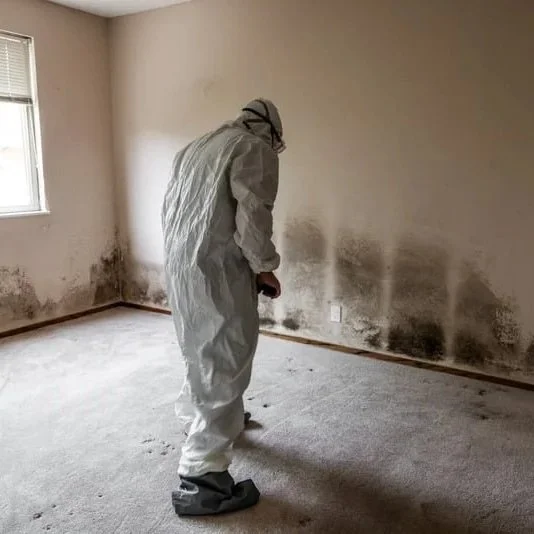
Even in dry climates like Goodyear, Arizona, indoor plumbing leaks can create the moisture necessary for hidden mold to thrive.
Understanding Mold in Goodyear’s Homes
Even though Goodyear, AZ, is located in a dry desert region, mold can still develop indoors, often catching homeowners by surprise. Mold growth relies primarily on moisture rather than general humidity, and even homes in arid climates can create micro-environments where moisture accumulates. Areas like bathrooms, kitchens, laundry rooms, or spaces surrounding plumbing fixtures can trap water and create conditions ideal for mold to thrive. Many residents underestimate the risk because the desert environment seems inhospitable to mold, which can delay detection until growth has become established and harder to control.
Local environmental and seasonal factors also play a role. Monsoon storms bring sudden, heavy rains that can exploit tiny cracks in stucco, tiles, or flashing, while irrigation overspray or poorly managed landscaping can introduce repeated moisture to exterior walls and foundations. Swamp coolers, commonly used in the Valley to mitigate summer heat, add localized humidity, particularly in enclosed rooms. Rapid temperature swings—common in Goodyear—can also cause condensation on cooled surfaces, creating wet pockets inside walls, ceilings, or around windows. Understanding that mold is not rare in Goodyear is essential. This mindset shift encourages proactive inspection rather than assuming the desert climate is protective.
Health and Property Risks
Mold exposure can have both immediate and long-term health effects. Common reactions include nasal congestion, sneezing, coughing, itchy eyes, headaches, and throat irritation. Residents with asthma or other respiratory conditions may experience worsening symptoms, and vulnerable groups—such as children, older adults, or people with compromised immune systems—are at higher risk. While not all mold is “black mold” or highly toxic, ongoing exposure to even common household molds like Cladosporium, Penicillium, or Aspergillus can create chronic irritation and negatively affect overall well-being.
Beyond health, mold can cause significant property damage if left unchecked. Moisture allows wood framing to rot, drywall to deteriorate, and insulation to lose its integrity. Staining of walls, ceilings, and floors can result in persistent, musty odors that are difficult to remove. Over time, mold and water damage can weaken structural components, compromise energy efficiency, and reduce property value. For homeowners considering selling or refinancing, undetected mold issues can complicate inspections and insurance claims. Identifying the source of mold early protects both health and the financial value of a property.
Recognizing Signs of Mold
Identifying mold requires combining visual, odor, health, and moisture clues to locate potential sources effectively.
Visual Clues: Mold can appear as black, green, brown, or white spots, often fuzzy, slimy, or powdery in texture. On light-colored walls, gray shadows or yellow-brown staining may indicate previous water intrusion. Key inspection areas include ceiling corners, baseboards, window edges, under sinks, and around HVAC vents. Less obvious locations, like behind furniture, inside closets, or behind picture frames on exterior walls, may harbor hidden growth. Regular scanning of these areas helps catch early signs before widespread damage occurs.
Odor Clues: Musty or earthy odors often accompany hidden mold growth. These smells may resemble damp soil, old books, or wet towels that never fully dry. Odors tend to be strongest in enclosed, poorly ventilated areas, including closets, bathrooms without fans, or under-stair storage. Observing when the smell is most noticeable—after showers, during AC operation, or following monsoon rains—can guide you to the source. Over time, occupants may become “nose blind,” so inviting a guest to help detect odors can be helpful.
Physical Symptoms: While symptoms alone cannot confirm mold, they can indicate hidden problems when combined with other evidence. Sneezing, coughing, itchy eyes, nasal congestion, wheezing, and exacerbated asthma symptoms are common. Noting patterns—such as symptoms that improve when away from home or worsen in specific rooms—can pinpoint the areas of concern. Multiple household members or pets experiencing similar issues further suggests an environmental trigger. Persistent or severe reactions should prompt both medical consultation and professional mold assessment.
Moisture Patterns and Material Changes: Tracking moisture is critical. Condensation often forms on cooled surfaces in summer when humid air enters the home, around windows during temperature swings, or on cold water lines in warm rooms. Peeling or bubbling paint, warped baseboards, soft or spongy drywall, discolored grout, and warped flooring all indicate underlying moisture problems. Observing these signs systematically helps locate hidden mold and provides a roadmap for investigation.
Mapping Mold Sources Indoors and Outdoors
Mold can originate from a variety of sources, both inside and outside the property. Understanding these helps homeowners prioritize inspection and repair efforts.
Plumbing and Appliances: Leaks from supply lines, drain pipes, or fixtures are some of the most common indoor sources. Areas under sinks, behind showers, around toilets, washing machines, dishwashers, and refrigerator water lines are especially vulnerable. Even minor, slow leaks can saturate building materials over time, creating a chronic moisture problem that fosters mold growth. Regularly inspecting under sinks, behind appliances, and monitoring water bills for unusual spikes helps homeowners detect problems early.
HVAC Systems: Central air conditioning, ubiquitous in Goodyear, can contribute to mold if condensate drain pans or lines are clogged, disconnected, or improperly sloped. Condensation can also form on ductwork, particularly in attics or areas with inadequate insulation. Mold can grow on or near the air handler, inside ducts, and around ceiling return vents, potentially distributing spores throughout the home. Signs include rust, water stains, or persistent musty odors near vents.
Bathrooms and Kitchens: Daily activities—showers, baths, dishwashing, and cooking—produce steam that can condense on walls, ceilings, and tiles. Grout lines, caulk, cabinet interiors, and backsplashes often trap moisture. Inadequate exhaust fans or poor ventilation exacerbate the problem, allowing mold to develop in hidden corners. Inspecting these areas for mildew, discoloration, or soft drywall helps locate sources before the problem spreads.
Laundry Rooms and Utility Areas: Washing machines, dryers, water heaters, and softeners can leak or produce excess humidity. Dryer vents that are clogged, kinked, or venting indoors release large amounts of moisture. Check surrounding walls, floors, and baseboards for dampness, warping, or staining. Even small, repeated leaks over time can contribute to significant hidden mold growth.
Micro Moisture Sources: Indoor plants, aquariums, decorative fountains, and humidifiers create localized humid zones that support mold on nearby surfaces. Overwatering plants or minor spills near these items can lead to persistent growth. Observing dampness and musty odors near these sources allows homeowners to address small problems before they become widespread.
Exterior and Structural Moisture: Seasonal monsoon storms bring heavy, sometimes wind-driven rain that can expose roof leaks or damaged flashing. Stucco cracks, irrigation overspray, poor grading, and failing window or door seals may allow water to enter walls or slabs. Attached garages, patios, and enclosed outdoor rooms can act as transition zones, letting moisture migrate indoors. Inspecting these areas after storms or irrigation events is critical to identifying potential mold sources.
Tools, Tests, and Professional Support
Moisture Meters and Thermal Imaging: These tools detect hidden dampness or temperature variations in materials. Moisture meters, both pin and pinless, provide readings on drywall, wood, or flooring, while thermal cameras reveal cool spots indicative of moisture accumulation.
DIY Mold Kits: Over-the-counter kits can detect spores but rarely identify sources, extent, or severity. They often produce inconclusive results without connecting them to building materials. Professional testing provides more meaningful insights, especially for health, legal, or insurance purposes.
Professional Inspections: Certified inspectors in Goodyear evaluate moisture, visual evidence, and environmental conditions. Services often include moisture mapping, thermal imaging, and targeted sampling. Reports outline findings, suspected sources, photos, and recommendations for remediation and repairs. Laboratory analysis may be necessary when health concerns, insurance claims, or real estate transactions are involved. Accurate interpretation of results ensures remediation efforts are focused and effective.
Planning Remediation and Prevention
Once the source is identified, remediation should follow, addressing the root moisture problem before mold removal. Small, localized growth on hard surfaces may be handled by homeowners using proper safety measures. Larger areas, hidden growth behind walls, or mold associated with sewage or long-term leaks typically require professional remediation.
Long-term prevention relies on controlling humidity and ventilation. Properly sized exhaust fans in bathrooms and kitchens, correct AC operation, and supplemental dehumidifiers during monsoon season help maintain dry conditions. Routine inspections after heavy rains or plumbing incidents detect early leaks, preventing significant mold establishment.Exterior maintenance, including roof inspections, stucco repairs, and proper grading and drainage, is essential. Educating household members about mold awareness ensures ongoing vigilance, prompt reporting, and quick response to new moisture events.
Monitoring previously affected areas throughout seasonal cycles is key to ensuring issues do not recur. Combining observation with professional support when needed establishes a healthy, mold-resistant home environment.
When to Call a Professional
Homeowners should seek professional assistance when:
Mold appears in multiple rooms or hard-to-access areas
Structural damage is present
Leaks recur, or prior remediation has failed
Household members experience health symptoms related to indoor mold
Certified inspectors bring local knowledge of Goodyear building styles and climate, specialized tools, and proper testing protocols. Coordinating with insurance providers and contractors ensures repairs address underlying moisture sources, preventing future mold growth and supporting claims or real estate documentation.
FAQs
Mold depends on moisture, not the overall desert climate. Indoor leaks, AC condensation, bathrooms, irrigation systems, and monsoon rains can create localized damp environments where mold thrives.
Hidden mold often grows behind walls near plumbing, under sinks, around HVAC systems, in attics or crawl spaces, bathrooms, kitchens, laundry rooms, and near overwatered plants or aquariums.
You should call a professional when mold is widespread, located in hard-to-reach areas, connected to structural damage, keeps returning after cleanup, or if household members have health concerns.
No. Mold will always return if the moisture source isn't fixed. Long-term resolution depends on locating and eliminating the underlying cause of moisture.
