
Understanding Why Mold Develops in Goodyear, AZ, Homes
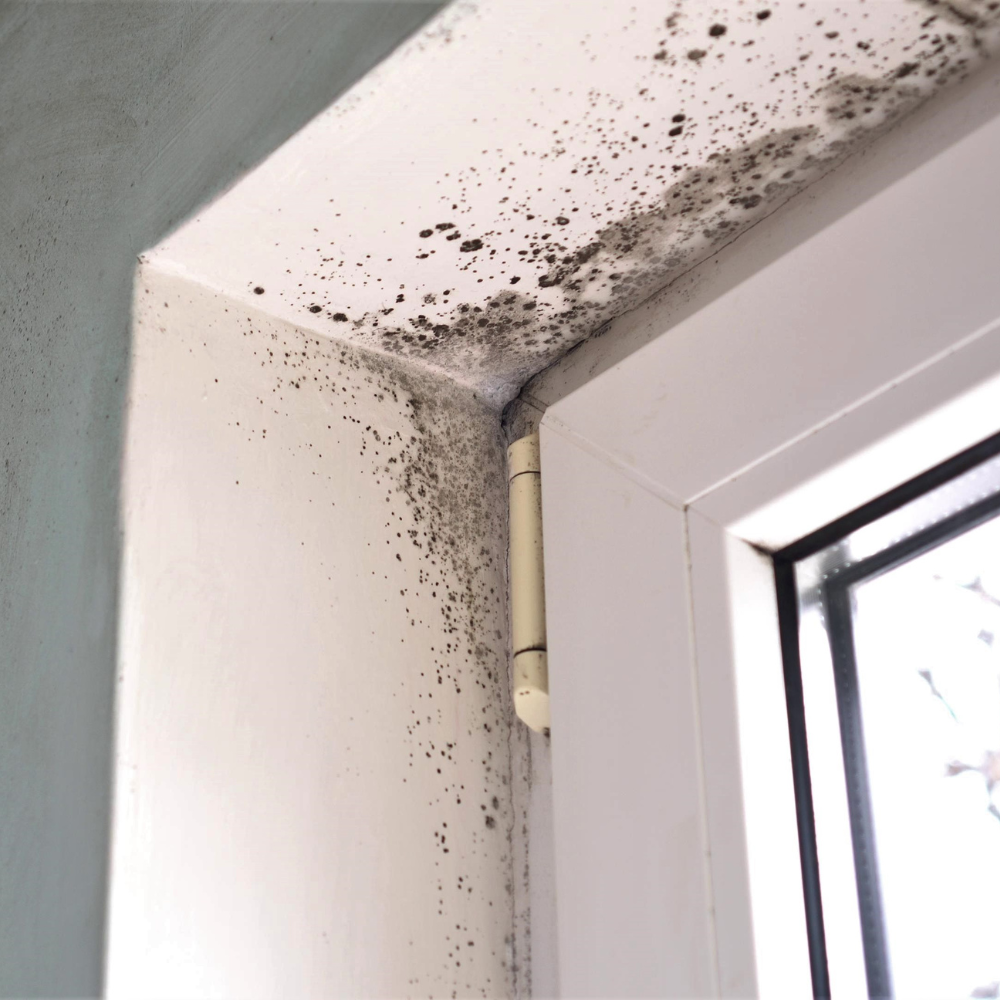
Despite the arid Arizona climate, indoor moisture can lead to persistent mold growth, requiring proactive maintenance and humidity control.
Mold in homes can be a surprising and frustrating problem, especially in a desert city like Goodyear, Arizona. Many homeowners assume that arid outdoor conditions make mold a non-issue, but indoor environments often tell a different story. Understanding why mold develops, how it spreads, and what steps you can take to prevent it is key to protecting both your property and your health. In this article, we’ll explore the science of mold, the unique factors in Goodyear homes that contribute to its growth, and practical strategies for keeping your home safe.
The Basics of Mold Growth
Mold is a type of fungus that thrives in moist environments and feeds on organic material. It reproduces through microscopic spores that are always present in the air, settling on surfaces where conditions allow them to germinate. Indoors, mold can grow on drywall, wood, insulation, carpeting, and other materials common in Goodyear homes. Visible mold is often just the tip of the iceberg, as larger colonies can hide behind walls, under flooring, or inside HVAC systems. Mold indoors is concerning because it can damage building materials and degrade air quality, posing both structural and health risks.
Mold requires three main ingredients to grow: moisture, a food source, and a suitable temperature. Moisture can come from leaks, condensation, high indoor humidity, or daily activities such as showering and cooking. Food sources include cellulose-based materials like drywall, wood, and paper, as well as dust and organic residues. Mold thrives in a moderate temperature range, which is often found in air-conditioned interior spaces. While it’s nearly impossible to remove spores entirely from a home, controlling moisture is the most effective way to prevent growth.
Common indoor molds include Cladosporium, Penicillium, Aspergillus, and Stachybotrys, often called “black mold.” While color doesn’t indicate toxicity, all molds require attention. In Goodyear homes, these species frequently appear on bathroom surfaces, around windows, in HVAC components, and in areas that have experienced water damage.
Why Mold Thrives Indoors Despite the Desert Climate
It’s a common misconception that desert homes are “too dry” for mold. Outdoor aridity does not prevent indoor moisture, which can result from plumbing leaks, air conditioning, showers, cooking, or laundry. Many homeowners assume the low outdoor humidity provides protection, which can delay maintenance and allow mold problems to grow unnoticed.
Goodyear experiences extreme summer heat and a monsoon season with higher humidity. Sudden storms can introduce water through roofs, windows, and doors, while temperature fluctuations in winter can cause condensation on cooler surfaces. Even indoor cooling systems create conditions favorable to mold if they generate condensation or limit airflow. Homes often develop “microclimates”—pockets of warmth and humidity in closets, bathrooms, laundry rooms, or shaded corners—that create ideal environments for mold, despite the dry climate outside.
Building Materials, Design, and Ventilation
Most Goodyear homes use materials such as drywall, wood, OSB, insulation, and carpets, all of which can absorb moisture and feed mold growth. Even moisture-resistant surfaces may allow mold to grow behind them if water penetrates seams or cracks. Design choices that enhance energy efficiency—tight envelopes, heavy insulation, low-pitched roofs, stucco exteriors, small bathroom windows, and sealed attics—can inadvertently trap humidity inside. Without proper ventilation, moisture from daily activities accumulates, creating conditions conducive to mold.
Flat or low-slope roofs may allow water to pool during heavy rains, while hairline cracks in stucco can channel water into walls. Plumbing leaks, appliance drips, and irrigation systems spraying walls or foundations all add to indoor moisture risks. Regular inspections of roofs, windows, doors, and plumbing, combined with proper grading and irrigation adjustments, are critical to preventing water intrusion in Goodyear homes.
Indoor Moisture from Everyday Living
Daily activities significantly contribute to indoor humidity. Showers, baths, cooking, dishwashing, and laundry release moisture into the air, which condenses on cool surfaces if ventilation is inadequate. Hanging wet clothes indoors, poorly vented laundry rooms, and unvented dryers can raise humidity levels, creating hot spots for mold growth. Houseplants, aquariums, and decorative water features also add moisture, particularly in small or poorly ventilated spaces. Even small, repeated water exposures—from leaky sinks, refrigerators, or dishwashers—can establish conditions for mold growth.
HVAC systems play a dual role. Air conditioners remove some humidity but can also generate condensation in ducts, drip pans, and vents if oversized or poorly maintained. Closed interior doors, blocked vents, and poor airflow can create stagnant areas with elevated humidity, further supporting mold growth. Regular maintenance, proper airflow, and attention to musty odors are essential to preventing mold from spreading through HVAC systems.
Hidden Mold Zones: Attics, Crawlspaces, and Storage Areas
Mold often grows out of sight, making it difficult to detect early. Attics can trap moisture despite high temperatures, particularly during storms or monsoon season. Crawlspaces may harbor ground moisture that wicks into subfloors, while garages and storage areas can accumulate humidity from stored items or parked vehicles. Closets and built-ins, especially along exterior walls or near plumbing, may create microclimates where mold thrives. Monitoring these areas, maintaining airflow, and decluttering are important preventive steps.
Health Implications of Mold Exposure
Mold exposure can trigger allergic reactions, asthma attacks, and respiratory irritation. Children, older adults, and immunocompromised individuals are particularly vulnerable. Many Goodyear residents may mistake indoor mold symptoms for “desert allergies,” delaying identification and remediation. Chronic exposure can also affect mental well-being, creating stress and anxiety from persistent odors, visible growth, and concern about family health. Recognizing symptoms and linking them to home environments empowers residents to take proactive action.
Recognizing Early Signs and When to Seek Help
Early warning signs include visible stains, discoloration, peeling paint, musty odors, and recurring condensation. Mold can also be hidden behind walls, under carpets, or inside furniture. DIY inspection is possible for small, localized growth, but large or inaccessible infestations, HVAC contamination, or health concerns require professional evaluation. Inspectors use tools such as moisture meters, thermal imaging, and sampling to locate hidden growth and identify sources of water intrusion, ensuring thorough remediation.
Documentation is essential. Photos, inspection reports, and repair receipts support insurance claims and rental disputes. Professional remediation involves assessment, containment, removal of contaminated materials, cleaning, disinfection, and post-remediation testing. Long-term monitoring and maintenance are crucial to prevent recurrence, especially in Goodyear’s climate with seasonal rains and high heat.
Prevention Strategies for Goodyear Homes
Effective mold prevention focuses on controlling moisture and ventilation. Keep indoor humidity below 50–55% with exhaust fans, dehumidifiers, and mechanical ventilation. Regularly inspect and maintain roofs, flashing, windows, doors, and plumbing. Adjust irrigation and landscaping to reduce water near foundations and ensure proper grading. Maintain HVAC systems, change filters, and monitor airflow to avoid microclimates. Teach household members to identify warning signs and adopt moisture-reducing habits such as running fans during showers, wiping spills promptly, and avoiding indoor drying of clothes when possible. Prompt attention to leaks, condensation, and appliance issues is key.
Older homes require attention to aging materials, deferred maintenance, and past water damage, while newer homes may face trapped humidity in tightly sealed, energy-efficient designs. Renovations or additions should be carefully integrated into existing ventilation and HVAC systems to prevent unintended moisture buildup. By understanding your home’s specific risks and taking proactive steps, mold growth can be minimized, protecting both health and property value.
Conclusion
Even in a desert city like Goodyear, mold can develop in homes due to indoor moisture, building materials, and daily living habits. Mold requires moisture, a food source, and the right temperature—all of which are commonly present indoors. Plumbing leaks, monsoon-driven water intrusion, condensation, and poorly ventilated spaces all contribute to hidden dampness and potential mold growth. Understanding why mold forms, recognizing early warning signs, and taking proactive prevention steps are essential. Through vigilance, maintenance, and proper moisture control, Goodyear homeowners can protect their homes, health, and long-term property value.
FAQs
Indoor conditions differ from the arid outdoors. Air conditioning, plumbing, and daily activities create moisture that allows mold to thrive, making a desert climate alone no guarantee against mold.
Mold often appears in bathrooms, kitchens, under sinks, around windows, attics, near HVAC systems, and along exterior walls due to moisture accumulation and poor ventilation.
Seek professional help if you notice large visible mold, persistent musty odors, past flooding or leaks, or health symptoms in the household. Small patches may be inspected and cleaned safely by homeowners.
Control indoor humidity, use exhaust fans, maintain HVAC systems, fix leaks promptly, manage irrigation, and inspect roofs and exteriors regularly. Consistent moisture control is the foundation of mold prevention.
