
How to Maintain Grout After a Professional Cleaning in Goodyear, AZ
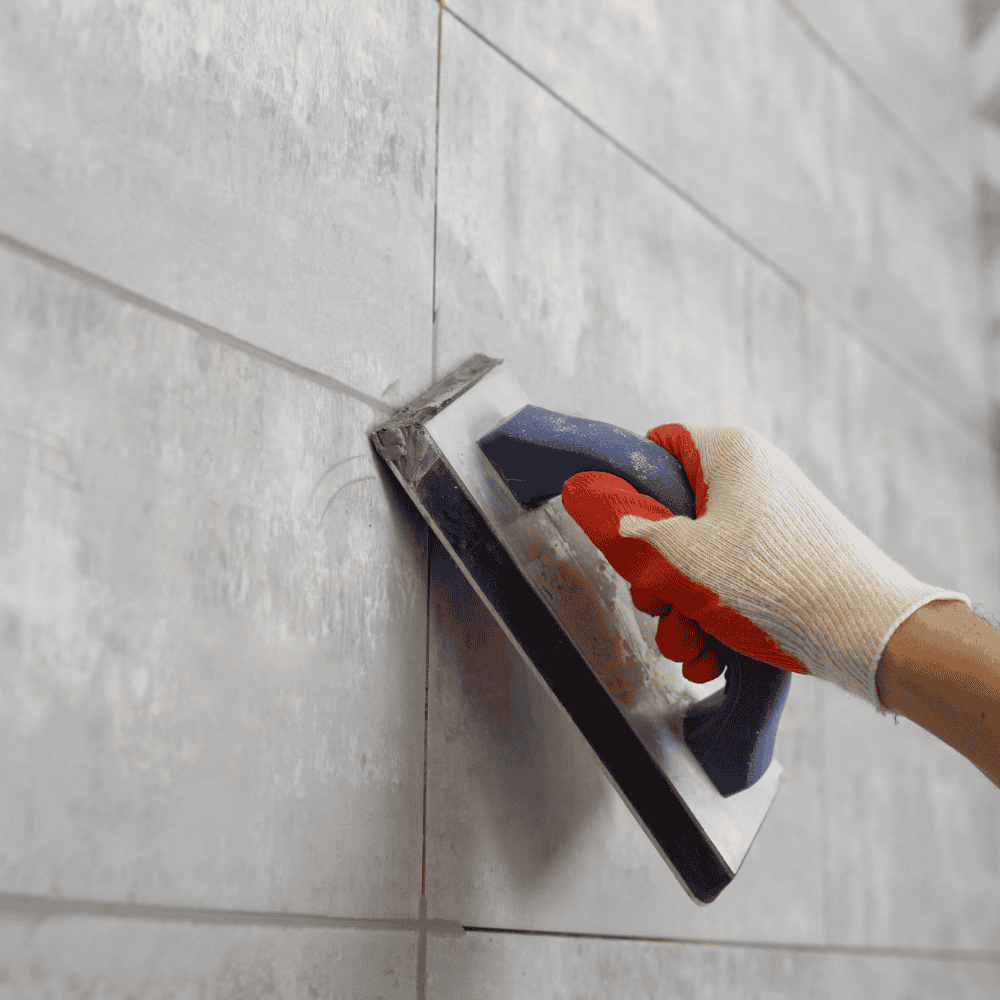
Maintain your Goodyear home’s freshly cleaned grout by applying a high-quality sealer and using pH-neutral cleaners for lasting brilliance.
Why Post-Cleaning Grout Care Matters
A professional grout cleaning can completely transform the look and feel of your home. Dingy, dark grout lines suddenly look fresh, uniform, and bright again, instantly elevating the appearance of your tile floors, showers, and countertops. Beyond aesthetics, professional cleaning removes deeply embedded dirt, bacteria, soap residue, and mildew that routine cleaning simply can’t reach. It’s essentially a reset for your tile surfaces.
In Goodyear, AZ, however, that fresh start can be short-lived without proper care. The desert environment presents unique challenges: fine dust, gritty soil, frequent foot traffic, and mineral-heavy hard water all work against clean grout. Even after a thorough professional cleaning, grout remains porous and vulnerable. Without a maintenance plan, it can quickly begin to absorb dirt and moisture again, leading to discoloration, staining, and even deterioration.
Post-cleaning grout care protects your investment. Professional grout cleaning is not just about appearance—it’s about preserving the integrity of your tile system. Well-maintained grout lasts longer, resists cracking, and reduces the need for frequent deep cleanings or costly repairs. With the right habits, homeowners in Goodyear can keep grout looking freshly cleaned for months or even years instead of weeks.
Understanding how grout behaves after professional cleaning—and how daily life impacts it—is the key to long-term results. Maintenance doesn’t require complicated routines or harsh chemicals. Instead, it’s about consistency, gentle products, and awareness of how your environment affects your floors and surfaces.
Understanding Your Grout and Immediate Aftercare
Professional cleaners use high-powered extraction equipment, specialized solutions, and agitation tools to remove contaminants trapped deep inside grout pores. Once the cleaning is complete, your grout is at its most exposed state—clean, but temporarily more absorbent until fully dry and sealed. Knowing what type of grout you have helps you protect it properly during this crucial period.
Most homes in Goodyear feature sanded grout on floors and wider joints. Sanded grout is durable and designed to handle foot traffic, but it is still porous and can trap fine desert dust easily. Unsanded grout, often found on walls, backsplashes, and narrow joints, has a smoother texture but can be more vulnerable to cracking and chemical damage. Some newer or high-end homes may use epoxy grout, which is more stain-resistant but requires different care methods.
Sealing plays a major role in post-cleaning care. Many professional services apply a grout sealer after cleaning, which helps repel moisture and slow down staining. You can check if your grout is sealed by placing a few drops of water on the surface. If the water beads up, the sealer is working. If it absorbs quickly and darkens the grout, resealing may be needed sooner rather than later.
Immediately after professional cleaning and sealing, follow all drying and curing instructions provided by your technician. Walking on grout too soon can press dirt into the surface or interfere with sealer bonding. Use temporary protections such as breathable runners or clean socks-only traffic for the first 24 hours. Avoid plastic coverings that trap moisture.
Taking photos of your grout right after cleaning is a surprisingly helpful step. These images give you a clear visual baseline so you can spot subtle changes early, before discoloration becomes a bigger problem.
Daily and Weekly Maintenance for Goodyear Homes
In a desert climate, daily maintenance doesn’t mean scrubbing—it means dust control. Fine particles act like sandpaper underfoot, slowly wearing down both tile and grout. Dry sweeping or using a microfiber dust mop once a day in high-traffic areas removes this grit before it settles into grout lines.
Entryways, hallways, kitchens, and living areas deserve extra attention. Pay close attention to grout lines, corners, and transitions between rooms where dirt tends to collect. Vacuuming with a hard-floor attachment can also be effective, as long as the brush head isn’t abrasive.
Spills should be handled immediately. Blot liquids instead of wiping them across grout lines. Use a damp microfiber cloth and a pH-neutral cleaner if needed, then rinse lightly and dry. This is especially important for food spills, coffee, wine, pet accidents, and anything acidic or oily that can stain grout quickly.
Weekly maintenance should include gentle mopping with a pH-neutral tile cleaner. Avoid over-saturating the floor; excessive water can penetrate grout and weaken sealer over time. Change mop water frequently to avoid spreading dirty residue back onto the grout. After mopping, a quick dry with a clean towel helps prevent streaking and mineral deposits from hard water.
For areas with heavier use, like kitchen walkways or main entrances, occasional light hand-scrubbing with a soft nylon brush or old toothbrush keeps grout lines crisp. The key is gentle pressure—aggressive scrubbing can erode grout and strip sealer prematurely.
Managing Dust, Outdoor Debris, and Seasonal Challenges
Goodyear’s outdoor environment plays a major role in indoor grout maintenance. Windy days, construction dust, and seasonal haboobs can quickly undo professional cleaning if dirt is allowed inside unchecked. The first line of defense is prevention.
A two-mat system works extremely well: a heavy, textured mat outside the door to scrape shoes, and a washable mat inside to catch remaining debris. Encourage guests and family members to wipe their feet thoroughly or adopt a no-shoes policy indoors when possible. Even small changes like these significantly reduce how much grit reaches your grout.
Pay special attention to transition areas such as patios, garages, laundry rooms, and mudrooms. These spaces often act as dirt funnels into the rest of the home. Sweep and vacuum these zones frequently, especially after storms or windy days.
Outdoor and semi-outdoor tile areas also need care. Leaves, dirt, and standing water can stain grout quickly if left unattended. Regular sweeping, prompt cleanup of spills, and inspection for cracks help maintain grout integrity despite UV exposure and temperature fluctuations common in Arizona.
Moisture, Mold, and Mildew Control in Wet Areas
Even though Goodyear is dry overall, bathrooms, kitchens, and laundry rooms create moisture-rich environments where grout can struggle. Without proper airflow, moisture gets trapped in grout pores, encouraging mildew growth and discoloration.
Use exhaust fans during showers and cooking, and let them run for at least 20 minutes afterward. When the weather allows, open windows to improve ventilation. In showers, a quick squeegee pass on walls and floors dramatically reduces lingering moisture.
Soap scum and hard-water minerals are common culprits in bathroom grout dullness. Using low-residue soaps and periodically wiping grout lines with a damp microfiber cloth helps prevent buildup. If you notice early signs of mildew, address it promptly with a grout-safe cleaner and thorough rinsing—never let it linger.
Consistent airflow, quick drying, and gentle cleaning are far more effective than harsh chemicals when it comes to keeping wet-area grout clean long-term.
Grout Sealing and Protecting Your Investment
Grout sealer is one of the most important tools for extending the life of professional cleaning results. It doesn’t make grout waterproof, but it significantly slows moisture and stain absorption—especially important in Goodyear’s dusty, mineral-heavy environment.
Most grout should be resealed every one to three years, depending on foot traffic, moisture exposure, and cleaning habits. Kitchens, bathrooms, and entryways often need resealing more frequently than bedrooms or low-traffic areas.
DIY sealer kits are widely available and can work well for small spaces or touch-ups. However, professional sealing offers several advantages: higher-grade sealers, even application, proper curing time, and expert assessment of grout condition. For large homes or heavily used areas, professional sealing often pays for itself by extending the time between deep cleanings.
Avoid products that promise “shine” or “permanent protection.” Waxes, coatings, and harsh chemicals can trap dirt, discolor grout, and make future cleaning more difficult. Stick to pH-neutral cleaners, microfiber tools, and grout-safe sealers to preserve your results.
Extending the Life of Your Professional Cleaning
Consistency is what keeps grout looking clean—not intensity. A realistic maintenance schedule helps prevent burnout and protects your surfaces:
Daily: Dry dusting or sweeping high-traffic areas
Weekly: Gentle mopping with pH-neutral cleaner
Monthly: Focused attention on heavy-use grout lines
Annually: Sealer testing and touch-ups as needed
Pay attention to warning signs that professional help may be needed again: grout that stays dark even after cleaning, recurring stains, or visible cracking. Addressing issues early prevents permanent damage and reduces long-term costs.
Maintaining a relationship with a local Goodyear tile and grout professional can also be valuable. They understand local conditions, water quality, and tile materials, and can provide tailored advice or maintenance services when needed.
With regular care, professionally cleaned grout doesn’t just look better—it performs better. Clean grout supports healthier indoor air quality, reduces allergens, and keeps your home looking well-maintained and inviting year-round.
FAQs
Weekly mopping is ideal for most main living areas, while low-traffic rooms may need less frequent cleaning. Daily dry dusting is essential in Goodyear to prevent grit from embedding into grout lines. Always use a pH-neutral cleaner and rinse mop water frequently. Sticky residue often signals over-mopping, while visible dust indicates it’s time to clean.
No. Vinegar and bleach are harsh on cement-based grout and can damage or strip the sealer. Even diluted solutions should only be used under professional guidance. Safer alternatives include pH-neutral commercial tile cleaners used with proper ventilation and thorough rinsing.
A simple water-drop test reveals worn sealer—if water absorbs instead of beading, resealing is needed. DIY kits work for small areas, but professional sealing offers better coverage, stronger products, and longer-lasting protection, especially in kitchens and high-traffic zones.
Start by identifying the stain type and using a pH-neutral cleaner with a soft brush. Always test in an inconspicuous area first. Avoid aggressive scrubbing or harsh chemicals. For deep, stubborn, or widespread stains, contacting a professional prevents accidental damage and restores grout safely.
