
How Water Damage Differs in Older vs Newer Homes
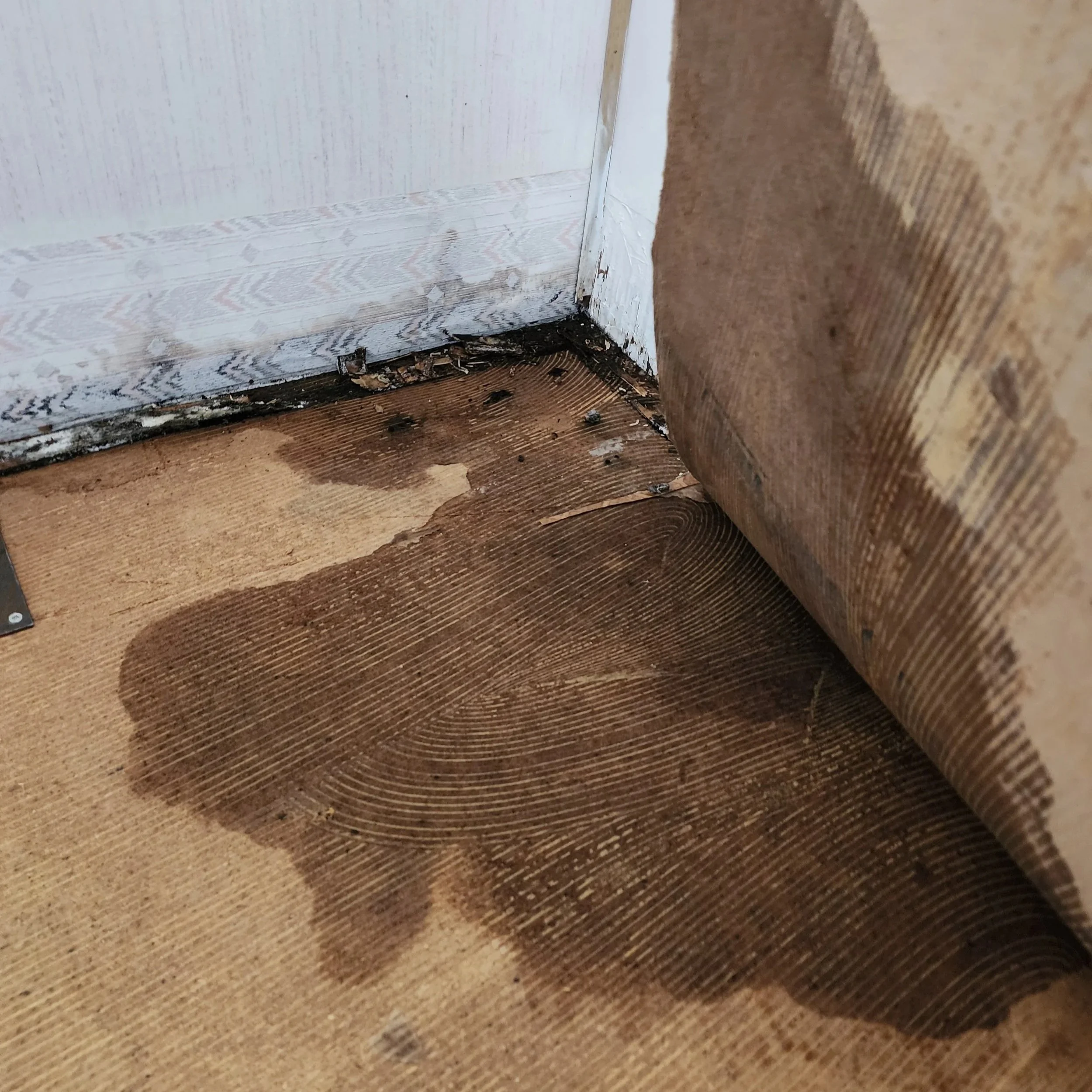
Professionals dealing with water damage restoration in older homes must account for the presence of outdated materials that are harder to source and repair.
Walk into a home built in the 1950s, and you're stepping into a different world —one filled with plaster walls, cast-iron plumbing, and a whole lot of charming quirks. Older homes were built with materials that age like fine wine… or occasionally like spoiled milk, depending on how well they've been maintained. Plaster absorbs water slowly, but once it's saturated, drying it out takes more effort than explaining dial-up internet to Gen Z. Wooden framing from decades ago often lacks modern treatment for moisture resistance, which makes water damage restoration a more delicate (and expensive) endeavor.
Newer homes, on the other hand, are typically built with drywall and engineered lumber. Drywall is easier to replace, but it is much more vulnerable to rapid water absorption. The moment a pipe leaks in a modern home, drywall acts like a thirsty sponge. The upside? Repairs are usually more straightforward. The downside? Water damage spreads faster than gossip at a family reunion.
Professionals dealing with water damage restoration in older homes must account for the presence of outdated materials that are harder to source and repair. In newer homes, while the damage may be more dramatic in appearance, restoration can proceed more quickly due to the use of standardized materials and techniques.
Plumbing Problems Across The Decades
Older homes often come with plumbing systems that have already endured several generations of toothbrushing, dishwashing, and overenthusiastic plunging. Cast iron, galvanized steel, and even clay pipes are standard. These materials corrode or degrade over time, leading to slow leaks or even catastrophic failures that can be hidden behind vintage tile or under a 1970s-era shag carpet. Detecting the source of the leak often involves navigating a maze of outdated blueprints and surprises lurking behind every wall.
In newer homes, plumbing is more likely to involve PVC or PEX piping. These materials are more resistant to corrosion, but not immune to poor installation practices. A single poorly crimped PEX fitting can create a minor waterfall behind your drywall. The tradeoff? Finding and fixing the source is often quicker, and newer materials allow for more surgical repairs rather than full-blown demolition.
Water damage restoration professionals approach older plumbing with caution and a few extra tools in the truck. They might deal with lead solder joints or find asbestos tape wrapping old pipes. In newer homes, the challenge lies more in volume and velocity; the leak may be faster, and the spread broader, but at least you're not dealing with a pipe installed during the Eisenhower administration.
Hidden Damage: Where Moisture Likes To Linger
One of the sneakier aspects of water damage in older homes is the potential for hidden issues. That antique crown molding and lath-and-plaster ceiling may look fine on the surface, but water tends to hide in every nook and cranny. Moisture can settle behind the walls, in crawl spaces, and beneath original hardwood floors that have been around longer than the Beatles. It's the kind of slow, stealthy damage that often requires advanced thermal imaging or moisture meters to uncover.
Newer homes may not have as many secret cavities, but they're not immune to hidden damage. Open floor plans may help with airflow and light, but when water gets into insulation or behind baseboards, mold can still thrive. Fortunately, modern building codes and energy efficiency standards make newer homes easier to assess using contemporary restoration tools.
For both types of homes, professional water damage restoration is about more than drying things out. It's a game of hide and seek, where water always cheats. And when older construction is involved, water tends to prevail unless you've professionals who know where to look.
Electrical Systems: A Shocking Difference
Let's talk wiring. In older homes, you may find knob-and-tube wiring, aluminum wires, or breaker panels that haven't been updated since lava lamps were in style. When water meets outdated electrical systems, it creates a dangerous situation. Restoration teams must call in electricians to make the environment safe before addressing water damage. The fear of short circuits, corrosion, and fire hazards is very real, and every inch of wire has to be tested or replaced.
In newer homes, electrical systems are usually up to code and equipped with GFCIs and arc fault protection. Water still poses a risk, but once the power is shut off, restoration crews can work more efficiently and with fewer detours into "please don't let me get zapped" territory.
The lesson? The older the house, the more complex the interplay between water and power. Restoration professionals often partner with licensed electricians to create a safe game plan, particularly when historic homes are involved.
Foundation And Drainage Challenges By Era
Foundation design has evolved dramatically. Older homes may have stone foundations or unsealed basements that are particularly susceptible to water infiltration. Poor grading, clogged French drains, and ancient sump pumps don't help either. When water seeps in, it often takes its time, and that means long-term damage, such as mold, rot, and structural weakening.
Newer homes generally benefit from improved grading, vapor barriers, and modern drainage systems. But they're not invincible. If the gutters aren't maintained or the builder cuts corners, even the newest concrete slab can develop hairline cracks that welcome moisture like an old friend.
Water damage restoration for older foundations often involves retrofitting systems that were never originally installed. That means installing sump pumps, regrading yards, or sealing basements that were never intended to be dry in the first place. In newer homes, restoration typically involves checking for construction flaws and correcting them before they become long-term headaches.
Insulation Types Make A Big Difference
If you've ever peeked inside the walls of a mid-century home, you might've seen newspaper insulation or pink fiberglass that looks like it's been through a blender. Older insulation materials tend to degrade and retain water more easily, creating ideal conditions for mold and mildew. Removing it safely (and sometimes dealing with asbestos) is a job best left to professionals with proper equipment and a good sense of smell.
Newer homes often use foam board, spray foam, or high-efficiency fiberglass batts. These materials still need to be dried or removed if saturated, but they tend to resist microbial growth better and respond well to dehumidifiers and air movers.
Restoration teams in older homes usually have to perform more extensive demolition to remove wet insulation, while in newer homes, they can often replace sections with minimal disruption. Either way, waterlogged insulation is a party no one wants to attend.
Mold Growth Timelines And Health Risks
Mold doesn't care if your home was built during the disco era or after Y2K; it will show up to the party if there's moisture. However, older homes typically have more organic materials, such as wood, paper, and cloth-based insulation, which mold loves to feed on. Combine that with a few decades of accumulated dust and debris behind the walls, and you've got the perfect storm.
Newer homes may feature more mold-resistant materials, but they're often sealed tighter to meet energy efficiency standards. This results in reduced air exchange and increased humidity buildup when water damage occurs. Restoration professionals must act quickly in both cases; however, older homes often incur higher mold remediation bills due to deeper penetration and more labor-intensive removal.
Homeowners in both situations benefit from professional water damage restoration that includes HEPA filtration, antimicrobial treatments, and moisture monitoring. Mold isn't picky, but the type of home can affect how stubborn it becomes.
Restoration Costs: Vintage Charm Isn't Always Cheap
No one likes discussing the bill, but let's face it: water damage in older homes typically costs more to repair. Why? Specialty materials, careful demolition to preserve character details, and longer timelines all add up. Finding matching hardwood flooring from the 1940s or salvaging ornate trim takes time and patience. Plus, navigating historic preservation rules adds another layer of complexity.
Newer homes are more likely to use off-the-shelf materials that can be easily replaced. Restoration professionals can often utilize standardized tools and procedures to restore everything to its pre-loss condition more quickly.
That's not to say newer homes always come out cheaper. Suppose the water damage affects multiple levels or compromises energy-efficient systems, such as radiant floor heating or integrated HVAC. In that case, those repairs can still significantly impact your budget.
Final Thoughts From The Front Lines
Water damage may be a universal issue, but how it's handled depends a lot on when your home was built. From aged wiring to modern insulation, each era presents its own unique challenges. Whether restoring a century-old charmer or a newly completed smart home, the key is professional water damage restoration tailored to the home's unique history and materials.
One might have heart pine floors and a ghost in the attic. The other might have an open floor plan and a doorbell that talks back. Either way, water doesn't discriminate, and neither should the pros who clean it up.