
The Insurance Claims Process for Water Damage: What Homeowners Need to Know
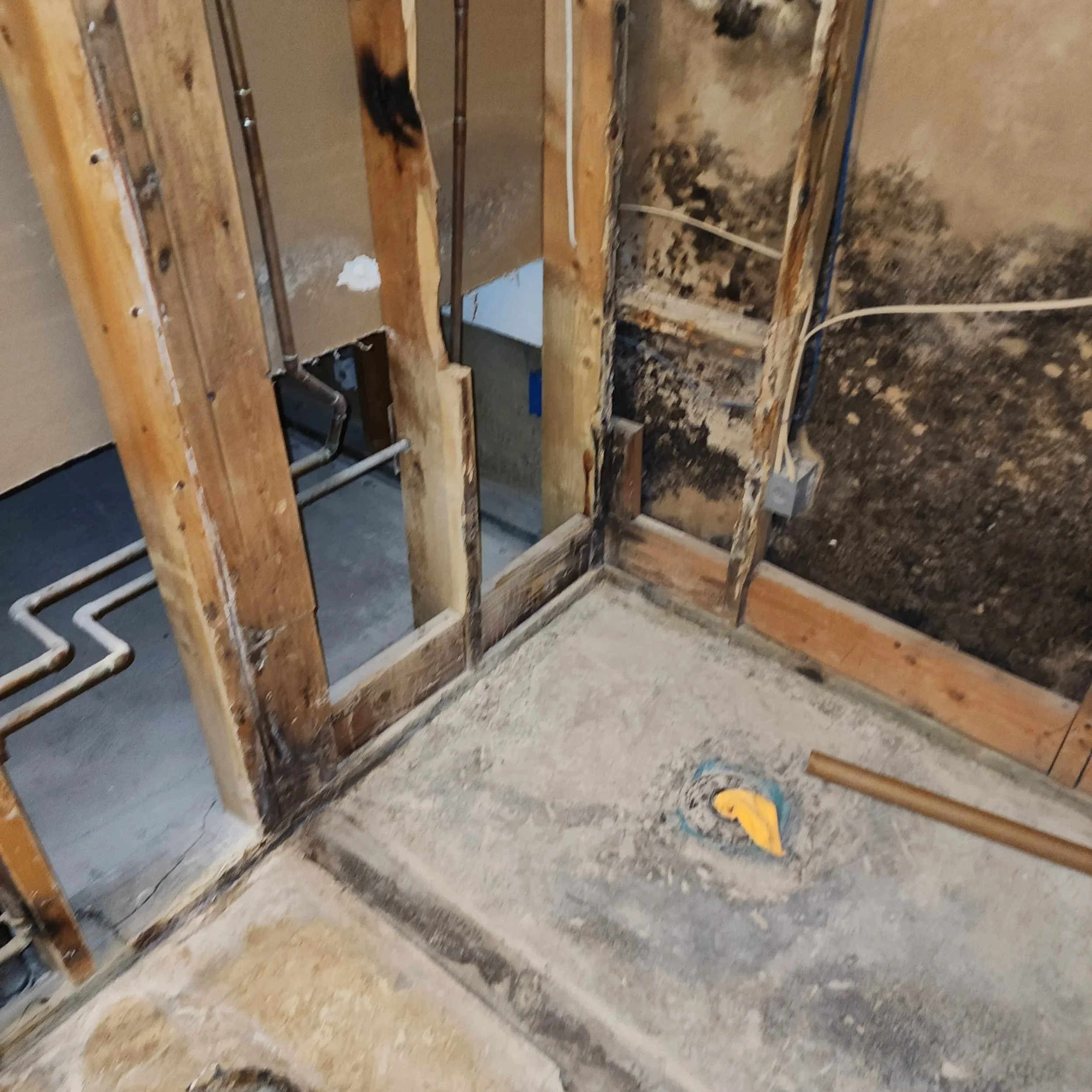
Knowing the type of water damage helps professionals communicate clearly with adjusters.
Not all water damage is created equal in the eyes of an insurance provider. Some incidents are covered without much fuss, while others fall into the "sorry, not covered" pile. Sudden and accidental events, like a pipe burst or a water heater failure, are typically covered. Gradual damage, like a slow leak behind the wall that eventually causes mold or wood rot, is often excluded.
Water from outside sources, such as storm flooding or sewer backups, usually requires separate flood insurance or a specific rider on the policy. Many homeowners find out too late that their standard coverage does not extend to nature's wild side. Water damage restoration professionals can help document the source of the problem, which is important for determining what is covered and what is not.
Knowing the type of water damage helps professionals communicate clearly with adjusters. A service team that understands the difference between category one clean water and category three black water will provide the right mitigation plan and offer credible support for the claim.
First Steps: Safety, Damage Control, And Documentation
The moment water damage occurs, safety comes first. Electricity and water do not mix, so professionals often shut off power to affected areas before stepping in. Once it is safe to enter, documentation becomes the name of the game. Photos, videos, and a written log of what happened provide valuable evidence for the claim.
Water damage restoration teams often take this documentation step seriously. Before drying equipment is even plugged in, professionals will photograph everything from ceiling stains to soaked furniture and standing water. Every soggy floorboard and water-stained wall tells part of the story, and that story needs to be captured before cleanup begins.
A common mistake homeowners make is throwing out damaged items too soon. Restoration pros know to keep everything in place until the adjuster gives the green light or it has been thoroughly documented. Insurance adjusters like evidence they can see, not just descriptions over the phone.
Notifying The Insurance Company Promptly
Delays can be costly. Once immediate safety measures are taken and documentation is underway, the insurance company should be contacted as soon as possible. Most policies require prompt notification of damage, and waiting too long can jeopardize the claim.
Restoration professionals often assist homeowners with that first call. They help describe the situation in terms that adjusters understand. Saying "a pipe broke and flooded the guest bathroom" is good. Saying "a sudden discharge of water from a failed supply line caused damage to flooring and walls in the guest bathroom" is better.
In many cases, restoration companies can speak directly to the insurance company, with the homeowner's permission. This helps clarify technical terms, timelines, and the extent of damage, reducing miscommunication and paperwork headaches.
Meeting With The Adjuster
Once the claim is filed, the insurance company assigns an adjuster. The adjuster's job is to evaluate the damage and decide what the policy covers. The problem is, adjusters do not always see what professionals see. That is why having a water damage restoration expert on-site during the inspection can make a difference.
Experienced restoration crews walk through the damage with the adjuster, pointing out moisture behind walls, subflooring issues, and mold-prone areas that might not be obvious. Adjusters often appreciate having a professional partner to assess damage objectively and accurately.
Professionals also come prepared with moisture readings, drying plans, and detailed estimates. When the numbers and the science support the story, the adjuster is more likely to approve a claim that covers what really needs fixing.
Understanding What The Policy Covers
Homeowners' insurance policies read like ancient scrolls wrapped in legalese. Understanding what is covered often requires patience and translation. Luckily, restoration professionals have seen enough policies to know the common patterns.
A standard policy may cover structural damage and some personal property, but may exclude certain categories of damage, such as mold remediation or damage caused by poor maintenance. Sewer backups usually need a special rider. Flooding from a storm is likely not covered under the base policy.
Water damage restoration experts cannot rewrite policies, but they can help homeowners understand what is likely to be included and where gray areas exist. Their insights can help guide conversations with the adjuster and reduce unpleasant surprises later in the process.
Drying Out And Preventing Secondary Damage
Insurance companies want to know that homeowners acted responsibly to minimize damage. That is where a professional water damage restoration team really earns its keep. The goal is not just to remove water but to prevent mold, warping, staining, and long-term structural issues.
Drying begins with industrial-grade fans, dehumidifiers, and moisture meters. Walls may be opened, floors lifted, and air scrubbers brought in if mold is a risk. Professionals monitor moisture levels daily and adjust the plan as needed. These steps are not just helpful for the home. They build a record of reasonable mitigation efforts, which matters for the claim.
Restoration teams also maintain detailed logs of their work. Each day of drying, every piece of equipment used, and each square foot affected is noted. These records support the insurance claim and show that trained professionals, not guesswork, handled damage control.
Repair Estimates And Working With Insurance-Approved Pricing
Once everything is dry, it is time for the repair phase. Water damage restoration companies typically prepare a detailed scope of work and use software that matches insurance pricing standards. This avoids unnecessary back-and-forth when the estimate lands on the adjuster's desk.
Professionals familiar with the claims process know how to speak the insurance company's language. Instead of saying "replace kitchen floor," they will specify "remove and replace 200 square feet of engineered hardwood flooring, match existing grain and finish." These details help move the claim forward smoothly.
If the insurance company suggests a lower estimate or different materials, the restoration company may negotiate on behalf of the homeowner. They can explain why lower-cost options will not match or why more demolition is required based on water saturation readings. That professional backing helps homeowners receive what they are entitled to under their policy.
Supplemental Claims And Discovered Damage
Sometimes damage does not show up right away. Mold might bloom behind drywall days after the initial inspection, or water may spread to previously untouched areas once demolition starts. When that happens, a supplemental claim is filed.
Restoration teams that stay in contact with adjusters know how to properly document and report new findings. Supplemental claims need the same level of documentation and justification as the original claim, so ongoing communication is key.
Homeowners do not need to navigate that process alone. Restoration pros handle the technical paperwork, supply new photos, and update the scope of work. It is one more reason to stick with a trusted team from start to finish.
Why Professional Help Makes All The Difference
Filing an insurance claim for water damage is not a simple phone call. It is a step-by-step process that mixes emotional stress, detailed documentation, and technical knowledge. For homeowners, it can feel overwhelming. For seasoned water damage restoration professionals, it is just another Tuesday.
From documenting the scene and meeting with the adjuster to developing drying strategies and submitting repair estimates, professionals make the process smoother. They also make it less stressful. Homeowners do not have to memorize insurance jargon or debate line items with the adjuster. They have a team for that.
In the end, the claim process is about restoration in every sense of the word. Not just fixing floors and drying walls, but restoring peace of mind and a sense of normalcy. When the unexpected happens, a professional restoration team becomes the homeowner's best ally: equal parts cleanup crew, paperwork guru, and steady hand through the chaos.